

You might be wondering why knowing how to greet in more than one language is a bucket list activity. As a trilingual, literature major, and all-around travel lover myself, let me tell you why learning to say hello in different languages will definitely come in handy! Plus, a dozen hellos to start a conversation around the world.
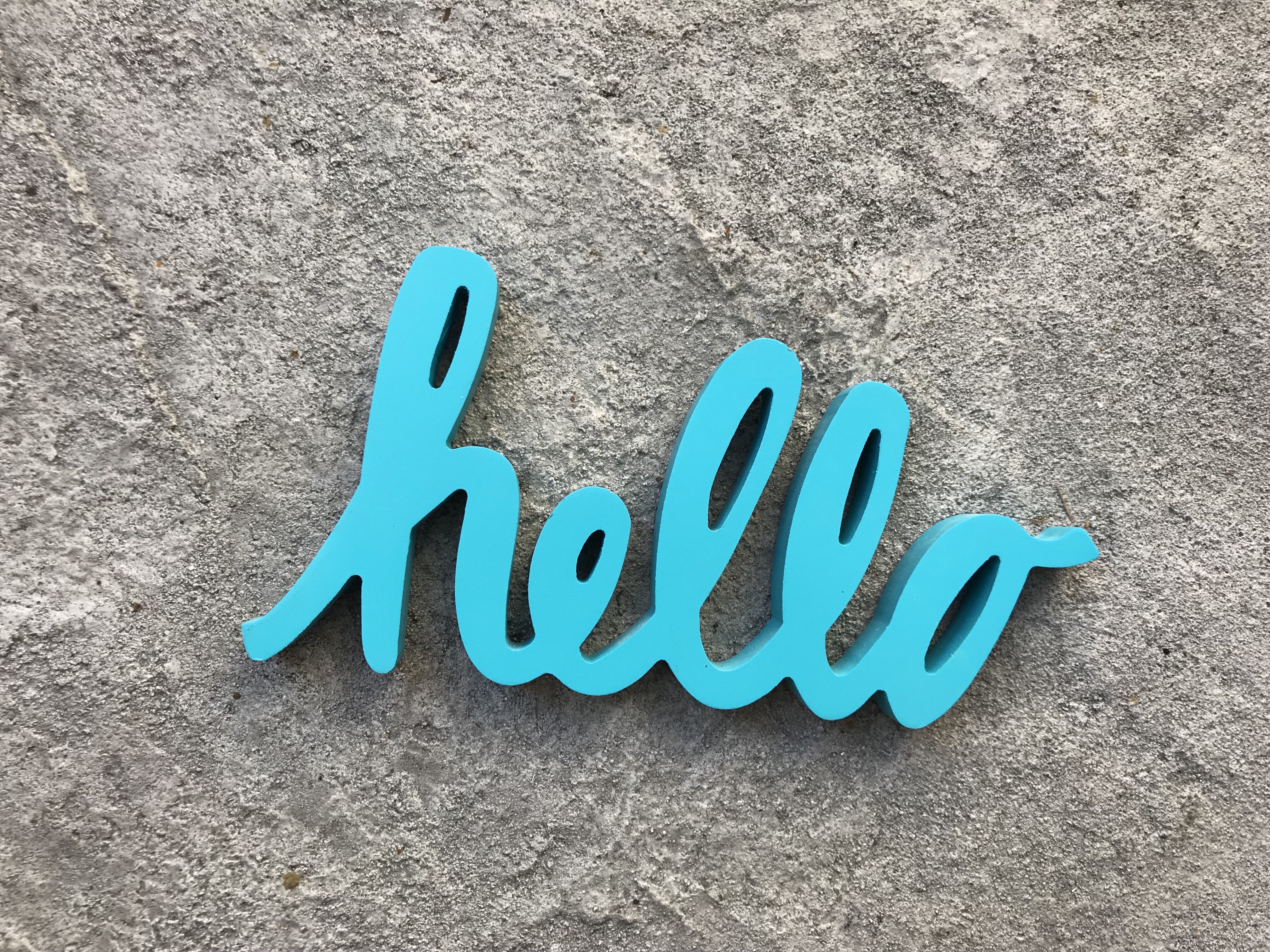
Before you dig in, you must know that you don’t have to be a proficient or fluent speaker of the language to achieve it. But it’s essential to keep in mind that learning a new language is beneficial in many ways and not exclusively for travellers.
Travel and Language: Two Sides of the Same Coin?
So, let me get into that. For a traveller, aspects like the cultural and life-related advantages that come from learning a new language are much more important than those concerning science and the human psyche. They realize that these dimensions allow us to be a better communicator, understand the existence of multiple cultures and civilizations, examine human nature, and accept that they can be different to what we grew up with or see as familiar.
Even though learning a new language might not be among the ‘top 10 things to pack for a trip’ – yet –, a traveller always manages to somehow grasp the basic words of a country’s language. And among these, the most important one of them being “Hello”.

Whether checking in the hotel, visiting old souks and museums, sightseeing the country’s magnificent landmarks, or even going on midnight walks. Truth is a greeting always rolls-off-the-tongue as you come across the locals and shop owners. It is, after all, the best conversation starter. The need for human connection overrides all else.
The beauty of knowing the translations of the word “Hello” in multiple languages is that it broadens our cultural acceptance of other races and civilizations. It allows us to understand – both directly and indirectly – and come to respect the need to be different, as well as relishing these differences.
The whole thing isn’t about being better communicators only. Sure, if you wish to speak any language fluently, good for you! You will, in fact, be saving a language from extinction! But the beauty of it lies in the way the word is uttered in each language. As if each letter and syllable is a symphony of its own. And with the way they are stressed or unstressed when spoken, they somehow hold the keys to the entire culture of the people who speak it.
Stereotypes aside, when you hear a “hello” in a different language, you can picture what stories, legends and traditions the greeting holds. When you intently listen to it, you might hear a musical note from your favourite movie soundtrack. Think of Coco’s “Remember me” or Aladdin’s “A Whole New World”. You feel the note’s rise or fall.
Learning to say ‘Hello’ Here and There…
This can be said of every language. So, let’s have some fun and dive into what hides behind some “hellos” around the world. It’s a beautiful symphony growing in just a few letters.
For example, when you hear the Arabic “Marhaba”, you will listen to the story of a race whose generosity knows no boundaries; a race in which mothers never run out of proverbs to teach and guide their kids about and through life.
The lilting yet robust sound of the Scottish Gaelic “Madainn mhath” will introduce you to one of the toughest people you might meet; to their Highlands, accent, rich mythologies and remarkable history.
You get to feel what it’s like to be French when you greet those around you with the melodic “Salut!” as the second syllable comes out a little higher than the first. And just like that – without meaning it to – they make it seem as if it is always a good day to be outside, enjoying what life has to offer you all the while making the best of it all.
Aside from their renowned attachment to dancing and their language that is often compared to a lover’s purr, into the Spaniards and Latinos’ “¡Hola!” is woven tales of decades and centuries of familial love; the kind of love that elders claim can take down the strongest of empires.
While you feel the ocean breeze ruffle your face, the Hawaiian “Aloha” will tell you of how family doesn’t necessarily mean blood; how Ohana is in the people you meet, the neighbours who surround you and the friends you make along the way.
The way the Welsh “Helô” tells you stories of fairies from long ago and the people who lived with them… never-ending tales and legends that will amaze you. It will tell you how generation upon generation lived in the peaceful countryside, preserving their ways.
Picture yourself as a character in a ghibli movie strolling the streets of Tokyo, or greeting the old lady who owns a brooding cat with the Japanese “Konnichiwa”. You might even meet a dashing wizard!
“Ciao” your way through the streets of Italy while wildly gesturing, experiencing the unlimited love for life that Italians have with the way they pour their hearts and souls into preparing food with their nonne.
Russian greeting “Привет”, pronounced as “Privet”, will take you waltzing in a grand palace where once a tsar lived. Unlike what movies portray Russians as, you will get to experience their well manners and… oh fine, their mouth-watering blini.
Trade, exotic spices, tropical fruits and the blend of Arab, Persian and Indian with the Swahili language… The Swahili greeting, “Habari”, will introduce you to people who value its colourful Kanga more than anything.
“Salâm!” Grab a hearty cup of chai and learn all about shahs and assassins, while the Farsi greeting lets you discover Islamic architecture and wander old souks.
Imagine what awaits you when travelling, what other worlds and cultures different helloes in different languages might unlock!

Language: Will It Be the Newest Gadget to Pack Before Travelling?
You might be surprised at what learning one word can unfold, but ask yourself this: What is a greeting, if not the beginning of a new journey woven in tales or etched into the earth?
A bucket list goal like this one is not one of the impossible kind. Nowadays, we can actually access language learning applications easily. They can be super helpful when we are abroad, as they introduce us to the culture behind the language. And like that, through the words we are taught, we can only come closer to a better understanding of the country.
 Life Lovers Magazine®