
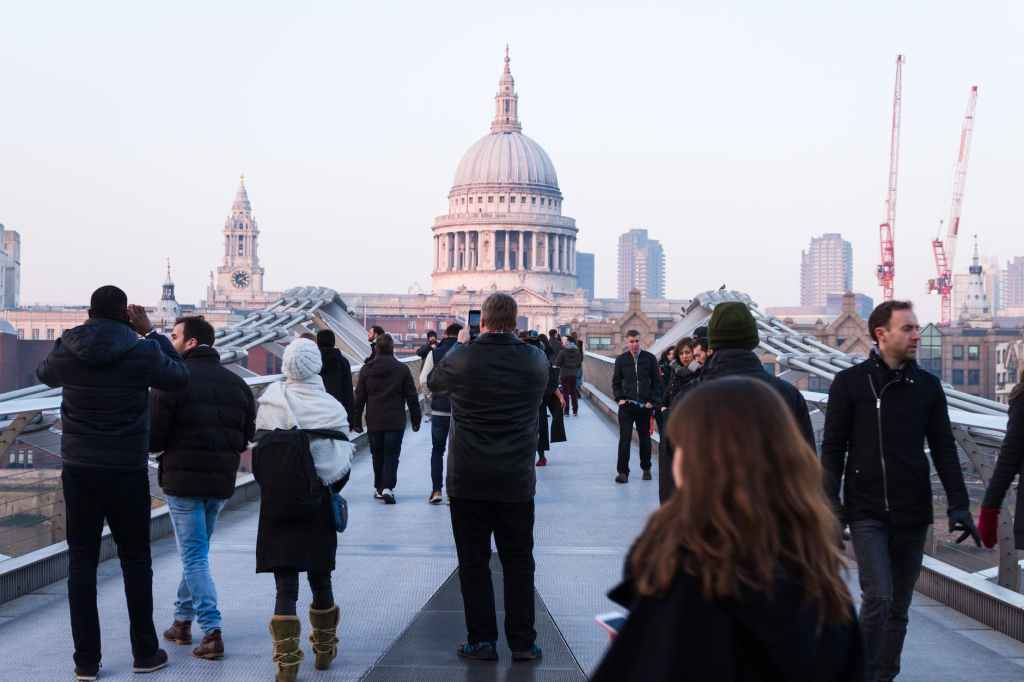
Buckingham Palace, Covent Garden, and the London Eye are staples of many a typical trip to London. But on my last trip, I decided to do things a little differently…
By Olivia Mulligan
Anyone who’s ever been to London knows that there is a great deal of things to see and do. Given the scale of the city and the sheer amount of walking involved, it’s impossible to get through them all.
On what was my third trip to the nation’s capital, I hoped to enjoy a new experience in the city.
That, I did. Though it would involve going fairly out of my comfort zone for the ultimate cityscape – and donning a fancy dress for some opera.
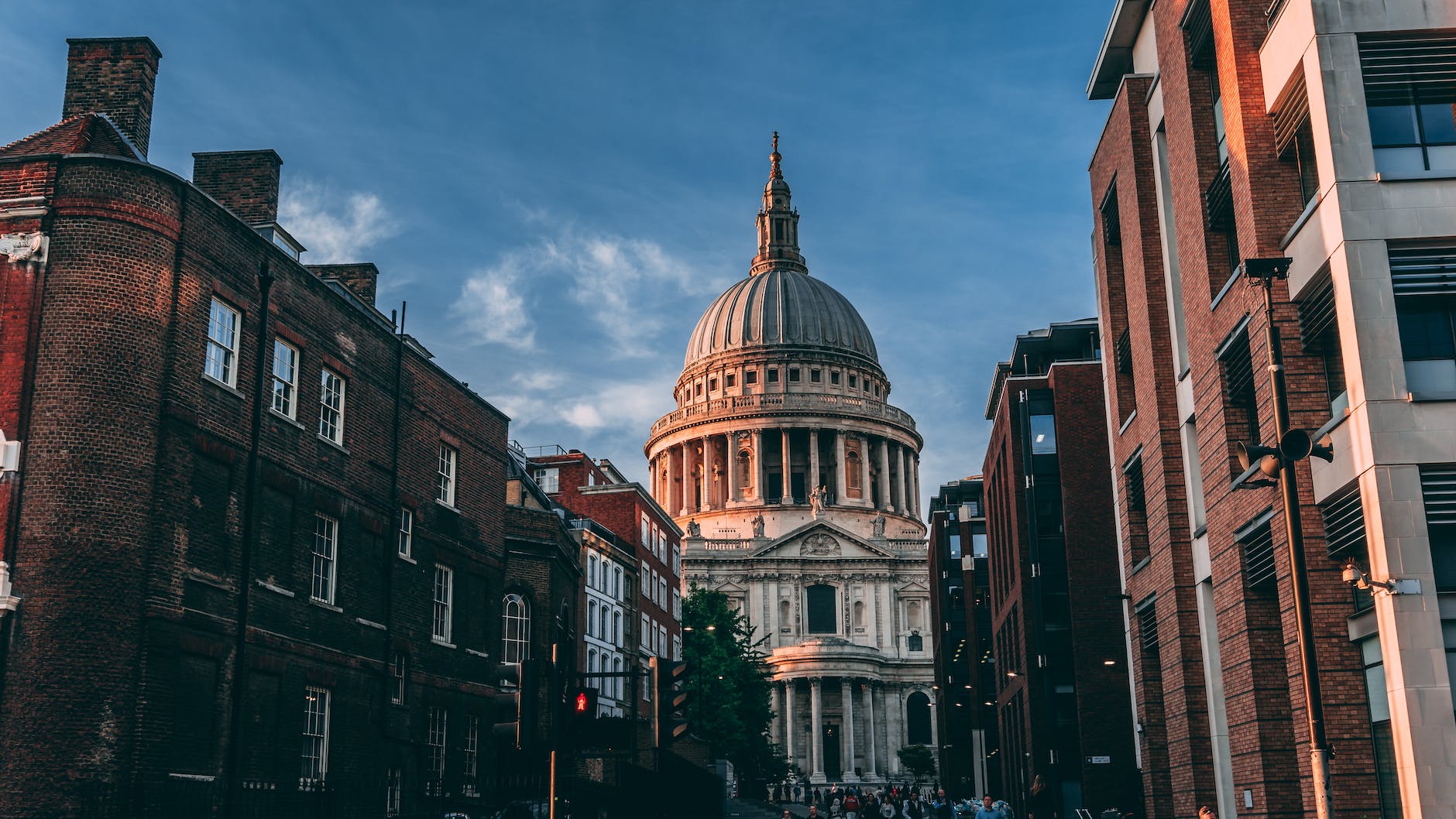
London at a glance
When my boyfriend suggested we climb the steps of St. Paul’s Cathedral, I wasn’t originally enthused.
The 348-year-old cathedral has 528 steps up to the top – steps that get increasingly narrow the further up you go. But it’s probably the best way to view the city of London unobstructed by skyscrapers or building cranes. That’s why I decided to go for it.
It wasn’t too bad starting out with the first set of steps very wide and close together – enough to make me (usually a single-step climber) climb them two at a time. The staircase spiralled slowly upwards and the flow of tourists who also decided to brave it ascended at a gradual pace. And so, we went like a line of ants.
Once it got to the narrower staircases, it was a different story. Inside a stone cathedral, it was dimly lit in places meaning you had to watch where you were going. No room for clumsiness in here!
Towards the very top – precisely when I thought with every look up that the stairs would never end – the staircases became metal spiral ones that you climbed vertically. It was at this point that there was no going back, and the queue slowed to an anxiety-inducing crawl.
Giving you plenty of time to look down below you and see just how far you had climbed. And panic. I had to take a few deep breaths at this point and tell myself that I had come so far now and wanted to see it through. That – and there really was no option to turn back with a trail of people behind you going one way.
You’ll know when you are finally near the top as you can feel the draft of wind blowing down, guiding you towards the exit.
With one final tiny stairwell, I was out onto the equally tiny balcony that circles around the very top of St. Paul’s dome.
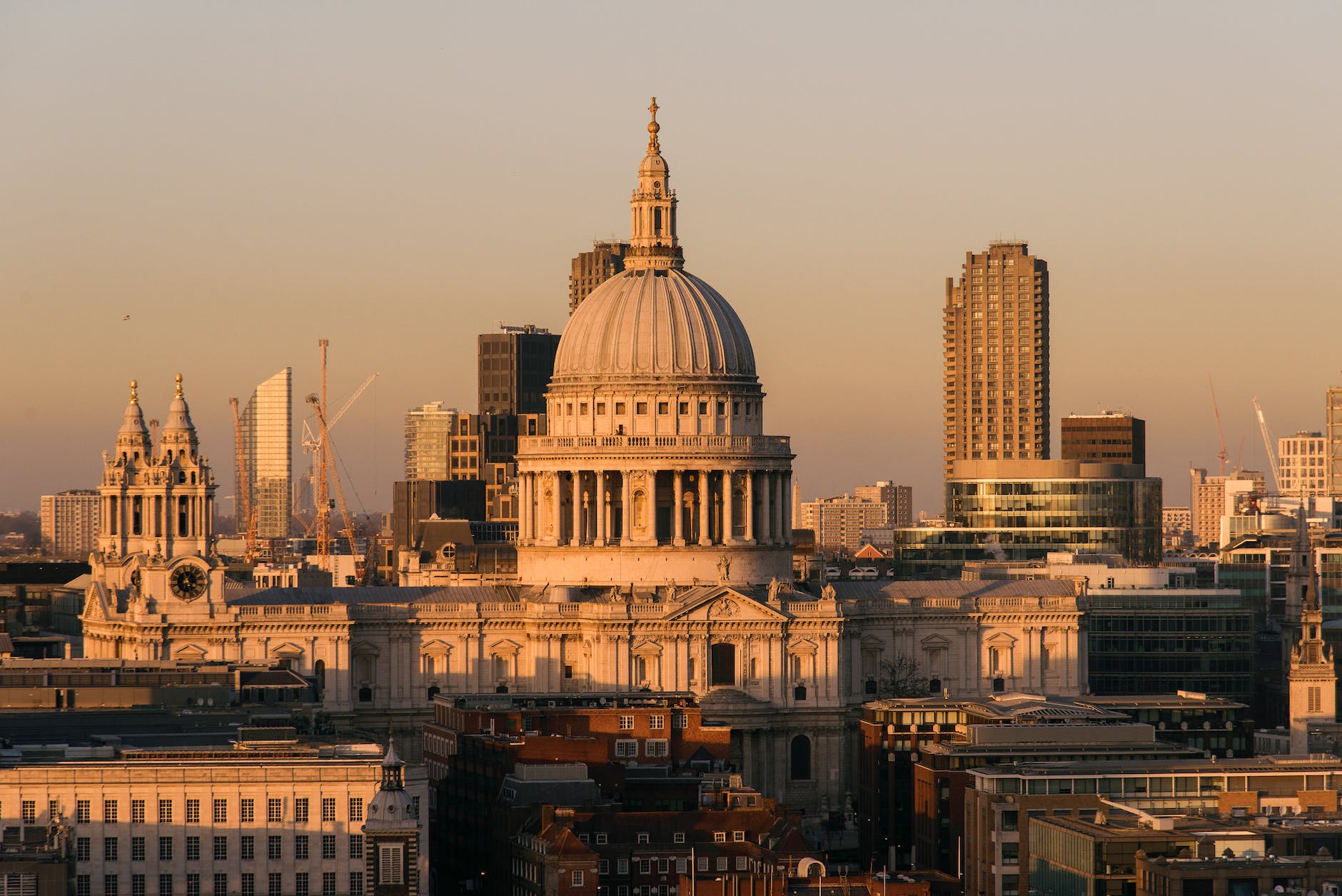
From here, you can see the entire city. You can see the River Thames and London Bridge, the London Eye, the Shard, and 20 Fenchurch Street – the towering office block named the “Walkie Talkie” due to its unusual shape.
It’s not just London from a different angle but from all angles. And it’s the best view of the city I’ve ever seen.
No religion required
Back on the ground, the cathedral offers just as mesmerising views inside with its elaborate painted ceilings, and statues depicting influential men and women in history. I don’t consider myself to be very religious, but the cathedral welcomes all. This was clear to see from the number of people from all over the world taking the time to explore its hallowed walls.
There was even a choir performance at the time of my visit, with a chorus of angelic voices singing softly into the vast air of the cathedral. Matched with glowing crystal chandeliers and candles, it’s a sight you won’t soon forget.
Whether or not you’re religious, you can’t help but stand in awe at the grandeur of the place and what it must have taken to build it.
The cathedral is the fourth of its kind to have been built at St. Paul’s churchyard and features one of the largest domes in the world at 366 feet. It’s also said the Whispering Gallery carries even the quietest of whispers from one side to the other.
The art collection housed at St. Paul’s will be of interest to any visitor regardless of their interest in the subject, with pieces spanning hundreds of years.
The Crypt is also the largest in Europe, and a walk through its halls introduces you to the final resting place of famous scientists, poets and more.
A trip to St. Paul’s will certainly take you to new heights and give you a view unlike any other of this bustling metropolis. And the carvings, paintings and statues it houses give you a glimpse of how it came to be as it stands today.
Having seen London from up above, it was time to go and soak up some entertainment. This time it involved fewer steps…
A Night at The Proms
After daring to go higher at St. Paul’s, I headed to The Proms at the Royal Albert Hall to watch Felix Mendelssohn’s ‘Elijah’.
This was a dramatic oratorio – an orchestral narrative performed without any major action, costume or scenery, which tends to involve sacred themes.
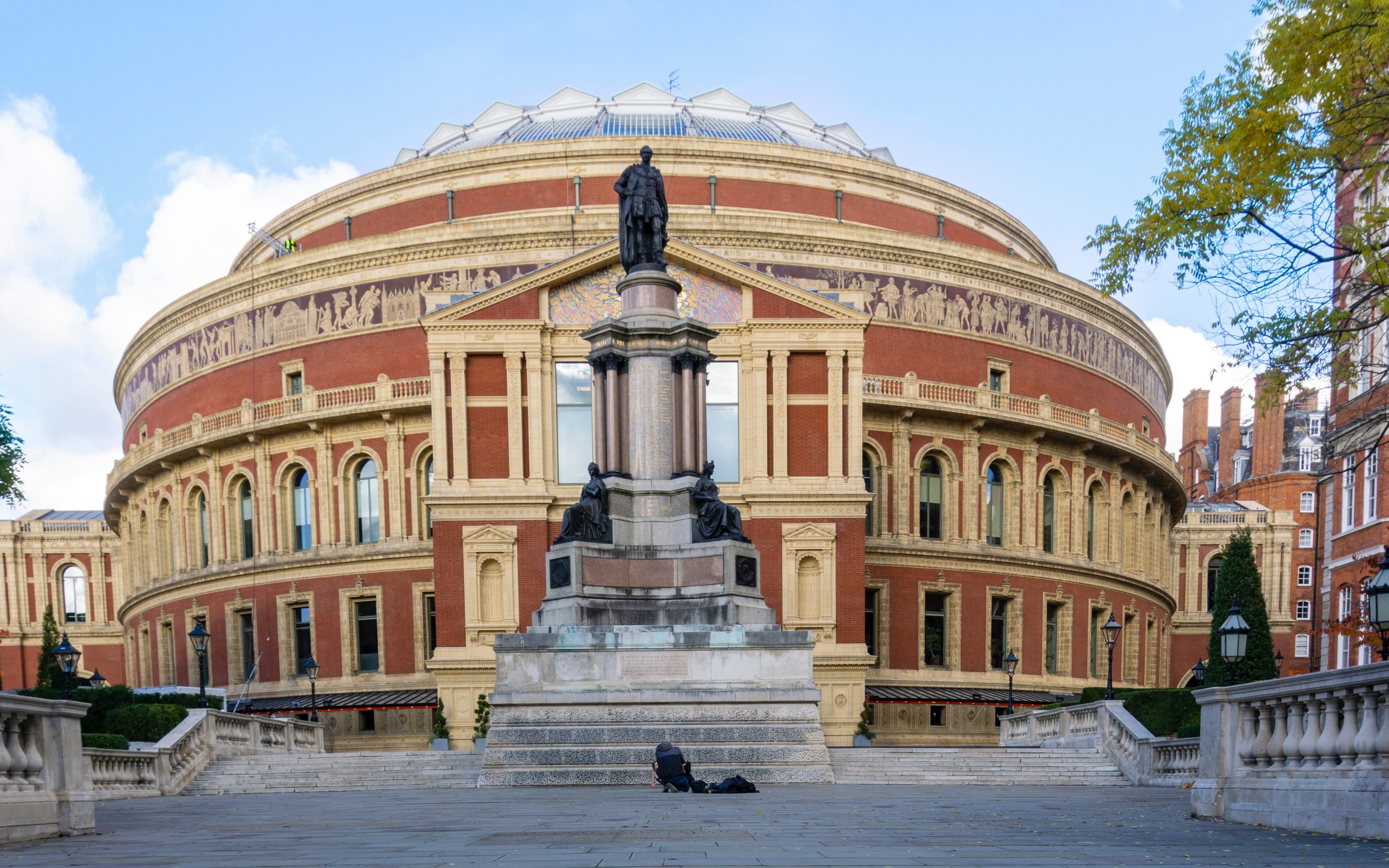
There were three women singing soprano who would each take turns to perform, along with two men singing the tenors, who also took turns. The performance generally consisted of each of the performers singing a different part of the narrative.
Having never been to The Proms or Royal Albert Hall before – or seen a classical music concert in general – I had many preconceptions.
The Proms, however, showed me how they were all wrong.
I was expecting it to be a highly sophisticated event where everyone would be dressed up for the occasion, though the atmosphere was a lot more relaxed and informal.
Seated up in the Rausing Circle, I had a fantastic all-around view of the Hall, from the stage with its grand organ towering over it (which sent ripples of vibrations around the arena when it was played) to the promenade, where I was surprised to see some people lying down.
I wasn’t sure whether this was the usual custom or simply the case of an uninterested spectator, though, with a bit of research, I can say it was actually the former.
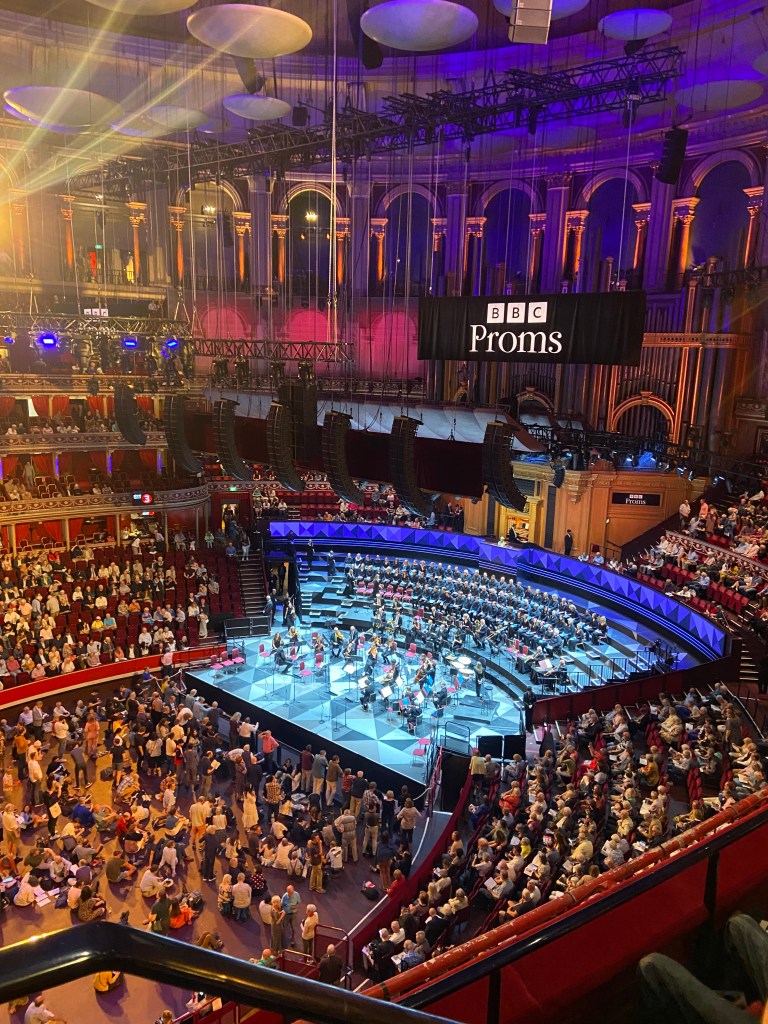
The Proms is an international classical music festival that goes back as far as 1895, when the first performance took place at the Queen’s Hall at Regent Street, London. It was the work of organiser Robert Newman, manager of the newly built hall. His goal was to share classical music with a wider audience, making it more accessible. His method was showing the most popular programmes at lower ticket prices, in a more relaxed setting.
He did it with the help of composer and organist Henry Wood, who conducted the orchestra for The Proms from February 1895. Together, the two would promote young performers, and raise standards within the industry.
In a radical move, Newman decided to remove the seats in the stalls to create the promenade, where people could stand to watch. It is here guests are encouraged to sit, stand or even lie down to enjoy the performance in their preferred way.
Eating, drinking, and smoking were also allowed inside the Hall in order to create a relaxed environment for spectators, though guests were asked not to strike matches during performances.
Such an informal atmosphere is surprising when paired with the sophisticated associations of classical music- you wouldn’t think the two would go together. But it worked, and it has done for over 100 years.
From the calm, serene atmosphere all around, it was clear to see that despite the move to Royal Albert Hall (1941), and changing times, The Proms still continues to deliver Newman’s ethos today.
The festival now offers over 70 concerts each year performed by the BBC’s talented orchestras and choirs. Impressively, it has also never missed a single year – despite the pressures of war and even the COVID-19 pandemic.
It also serves as a platform for contemporary classical music as well as the greats, providing something for everyone and allowing new composers to be discovered.
Although I’m not a classical music enthusiast, The Proms was a unique experience and a truly special evening. Not only viewing the wonderful performances and absorbing the culture of the Royal Albert Hall – but becoming immersed in a different type of entertainment altogether.
I left London feeling like I had experienced the city in a completely new and unique way, making it more memorable than previous visits.
So, if you’re planning a trip to London in the future, these are just a couple of the things to add to your list, to take you off the beaten track.
They may involve going out of your comfort zone, and things not usually a part of your everyday interests, but they will show you a new London, and offer memories to last a lifetime.

Get the magazine!
Enjoy this and other inspiring stories in “New Old Ground”.
September 2023 | Life Lovers Magazine.
 Life Lovers Magazine®