
Hello, my friends, I hope you are enjoying the last few days of summer or the first days of spring, depending on where you are in the world.
Down here (in Australia)… spring has started and with spring comes warmer days. Naturally, we feel the need to eat more fruits and vegetables. Something that got my attention since my first day living here was the use of organic foods, especially fruits and vegetables. The same as adding all natural ingredients and seasoning to elevate your tasting experience–like smoked sea salt and pepper topping your food so it tastes even better!– we want to start considering organic ingredients if we want for our bodies to feel better for our body, right? So today I will talk to you a bit about that: organic food, what it is, its benefits, and where to find it.
By Pat Aguilar
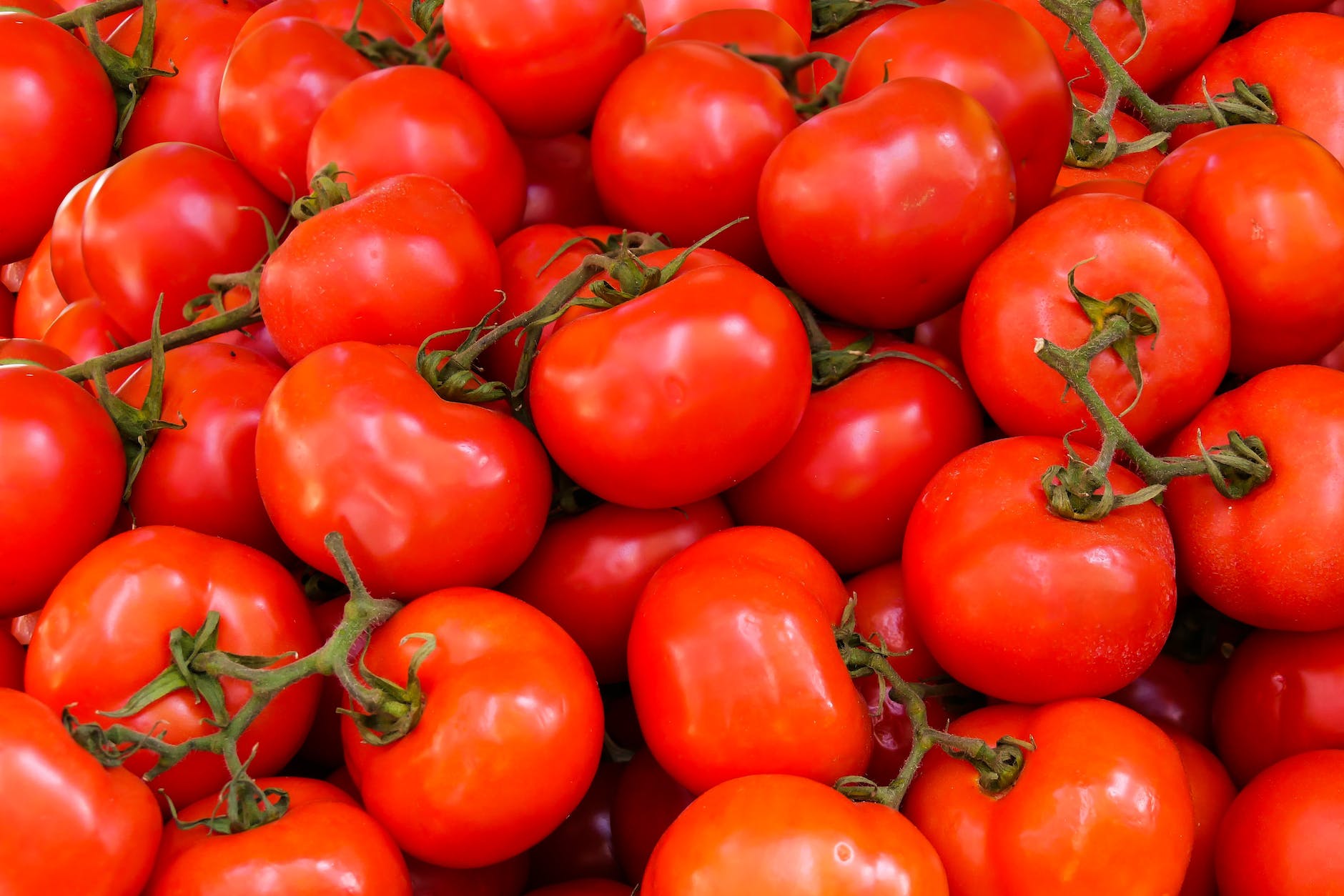
Let’s start from the beginning: What is or what does it mean when food is organic?
Organic food means that it has grown without the use of synthetic chemicals, such as pesticides and fertilizers in the case of vegetables, plants, and fruits, hormones, or antibiotics in the case of animals, artificial sweeteners, food coloring, flavoring in the case of processed foods, and this food does not contain any modified organism (GMOs.)*
Is there any benefit to buying organic food?
Yes, organic food may contain more nutrients: some foods in their natural state might contain higher levels of antioxidants and certain micronutrients such as vitamin C, zinc, and iron. How? Simple, a plant that is grown without any pesticides, will have to naturally create and increase its protective compounds aka antioxidants.
But… yes there is a but my friends, not all “organic” labeled food is nutritious.
This is when we talk about organic processed foods. Sometimes when food is processed with other ingredients, it will have a higher number of calories, added sugar, salt, and added fat. For example, organic cookies, sodas, and ice cream might be organic because some of their ingredients are grown organically, but what about the rest of the ingredients?
When it comes to processed food, always check the back of the label, and make a choice regarding what nutrients you need, versus what nutrients that product has. If you are buying fruit, vegetables, or grains, in their original state, that’s the best time to choose to go with organic or not organic.
A bit of good advice when you want to buy organic is to check on the label if it’s 100% organic, this means the product is entirely from organic ingredients; Organic, at least 95% of their ingredients are organic; and made with organic ingredients, at least 70% of their ingredients are organic.
You can always search for organic processed food that hasn’t anything “extra” added in its process or hasn’t anything that we don’t want in our bodies. We have 4 types of processed food: minimally processed food (for example vegetables already chopped, washed, and ready to eat from the grocery store), processed culinary ingredients (such as olive oil, and butter) processed food (cheese, canned beans, tofu) and ultra-processed foods (frozen pizza, sodas, sweets, salty snacks, fast food)
As I mentioned before, my friends, the key is to read the back of the label. Knowledge is power, my dears!!
GMOs (Genetically Modified Organisms), are animals, plants, or microbes whose DNA has been altered using genetic engineering techniques. This doesn’t mean it’s a bad thing, some foods have been altered to increase their nutritional value, like soybeans being altered with healthy oils, that can be used to replace trans fat oils. My best advice is that when you come across a GMO food, read about it to know what and why they were altered, so then you can make a choice.
Note: Every country will have similar regulations to certify if a product is organic or not. There are still a few differences so it’s important that you check the regulations of the country you are in. For example, in the UK their regulations are more strict than in other countries, so when a product is imported to the UK, it needs to be certified as organic in their country of origin but also under the UK regulations.
Now, let’s get to the yummy part!
Because you’re reading this in the September issue, let’s show some love to a dear friend who is celebrating its day: our delicious macadamia nut!!!!
Probably the most left-out nut (because it’s less common and more expensive), but not the one with fewer benefits: they have a high level of nutrients and antioxidants, can help boost brain health, are good for your gut, and are a delicious and easy snack.
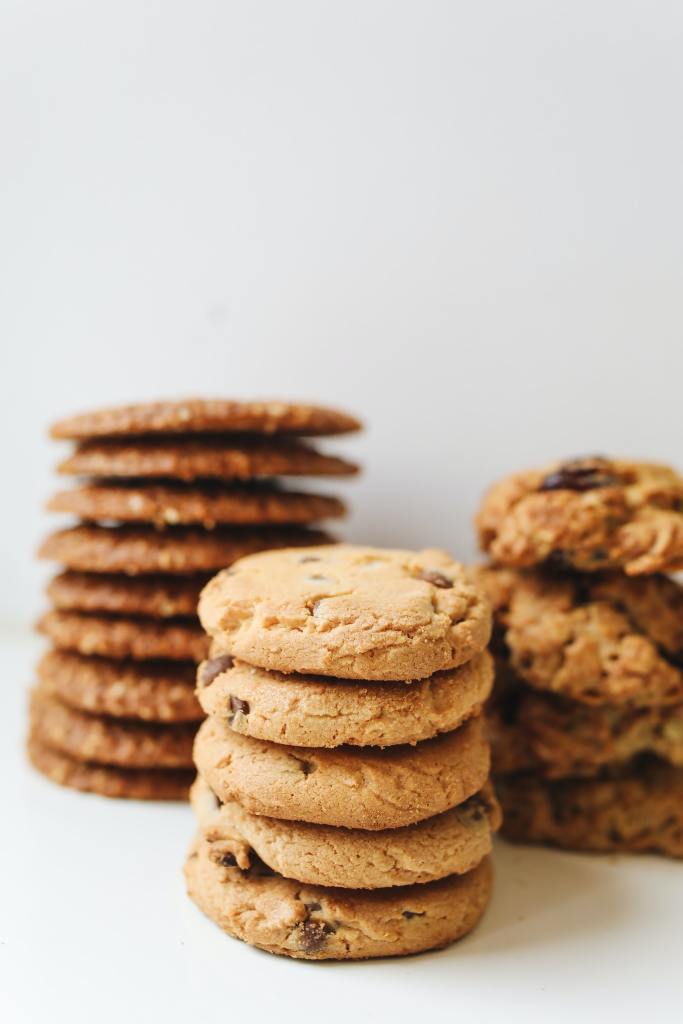
Today I will share a delicious recipe for white chocolate and macadamia cookies:
Ingredients:
• 1 1/2 cups all-purpose flour
• 1 tablespoon cornstarch
• 1/2 teaspoon baking soda
• 1/4 teaspoon salt
• 2/3 cup coconut oil melted
• 3/4 cup brown sugar
• 1/4 cup milk of choice I used unsweetened almond milk
• 1/2 teaspoon vanilla extract
• 3/4 cup vegan white chocolate chips
• 1/2 cup macadamia nuts roughly chopped
Instructions
Preheat the oven to 180C/350F. Line a large baking sheet with parchment paper and set aside.
In a large mixing bowl, add your flour, cornstarch, baking soda, and salt, and set aside. In a separate bowl, whisk together the coconut oil and brown sugar until glossy. Add the milk and vanilla extract and whisk until combined.
Gently mix in the dry ingredients until just combined. Fold through the white chocolate chips and macadamia nuts.
Using your hands, form 12 balls of cookie dough and place them on the lined sheet.
Bake the cookies for 9-11 minutes, or until the edges just begin to go golden.
Remove the cookies from the oven and let them cool on the sheet completely.
Happy cooking (and eating)!!

Get the magazine!
Enjoy this and other inspiring stories in “New Old Ground”.
September 2023 | Life Lovers Magazine.
 Life Lovers Magazine®