

Hello, my fellow Life lovers! I hope you are getting cosy and warm if you are transitioning to a colder season or are starting to enjoy the warm weather if you are on the other side of the hemisphere. We have spent a few issues talking about organic products, especially food, but what about when it comes to our skin? Is it possible to have an organic skincare routine? We will talk about that this month and of course a few tips on how to make your own products at home.
By Pat Aguilar
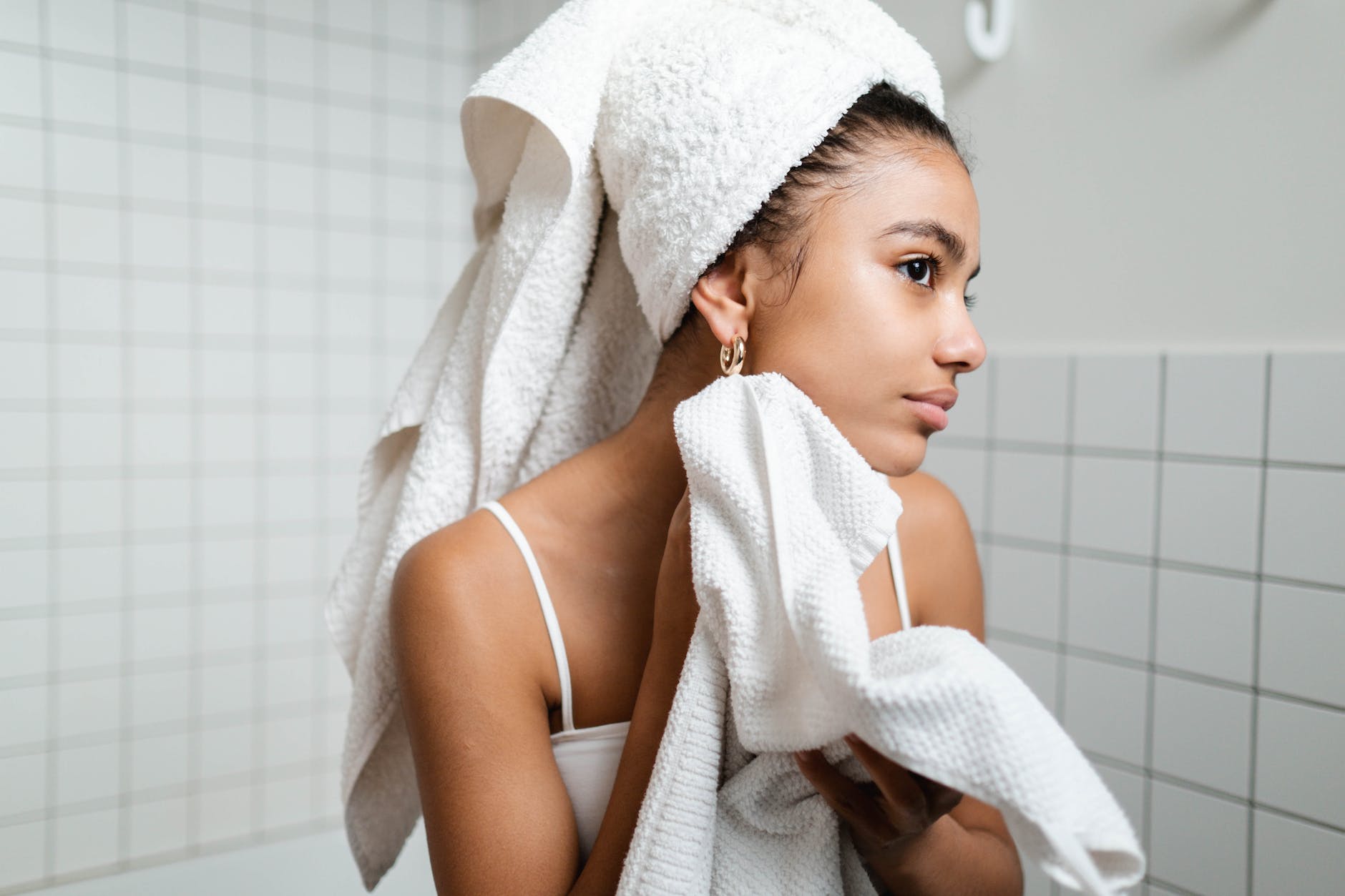
First things first: what do we call organic skincare?
Organic skincare products are made of natural ingredients without any chemical elements in them. The ingredients used are organically farmed and do not contain genetically modified materials, synthetic residues, or chemicals.
Here I would like to stop for a bit, as the use of the word “natural” can be a little confusing and sometimes misleading. We can have a natural product, but it does not necessarily mean it’s good for our skin, so always be clear about what natural product you are using.
For example: mineral oil is a natural product, but we certainly don’t want it in our bodies. And remember that our skin is our largest organ and with the biggest absorption. It’s easy for any chemicals to enter our bloodstream and be distributed in our body through our skin. (Think nicotine patches or cortisone creams) have you ever put magnesium on your feet? It will be absorbed quickly to help with muscle recovery and helps with sleep ☺ Try this at home: rub a garlic clove in your feet, within minutes you probably will feel like you ate a tub of hummus, try it and let me know.
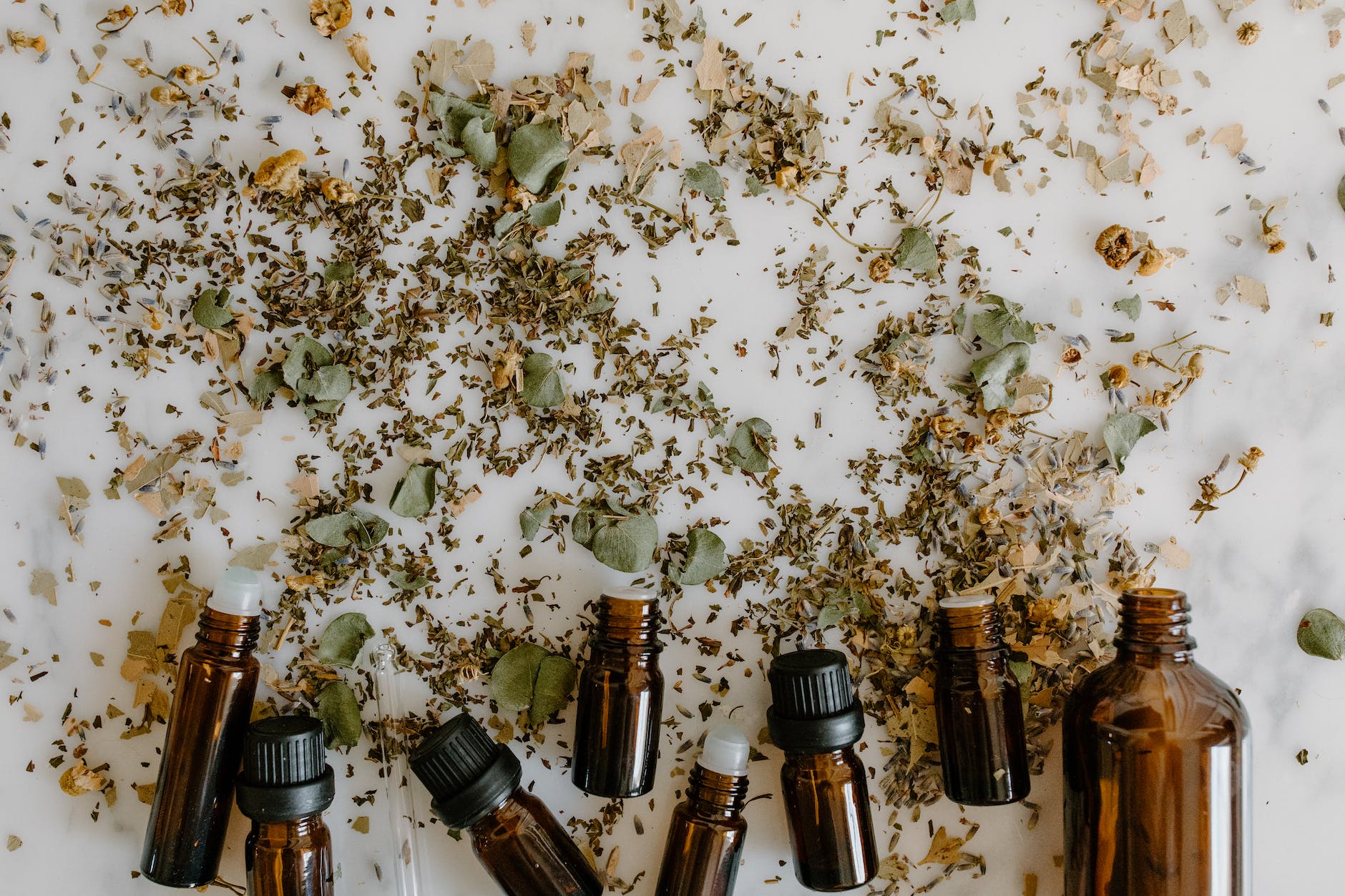
How do we know if a product is certified organic?
First, we have the classification: Certified organic: Contains a minimum of 95% certified organic ingredients (excluding salt and water) and up to 5% consisting of other approved ingredients.
Made with certified organic ingredients: Contains 70–95% certified organic ingredients (excluding salt and water) with the remainder from approved non-organic sources.
There are many organizations worldwide that certify this classification, but I will mention the three top ones:
COSMOS
The COSMOS Organic Signature Standard is an international certification for cosmetics managed by a not-for-profit and independent association in Brussels. This is one of the most common certifications for organic cosmetics used in the European Union, Australia, and Asia. The certifications for cosmetic products include the COSMOS organic and the COSMOS neutral label. Ingredients and raw materials are certified with the COSMOS certified and COSMOS approved label.
The certification guarantees: environmentally friendly production and processing, responsible use of natural resources & respect of biodiversity, development of the concept of green chemicals, no use of petrochemical ingredients, and recyclable packaging.
NATRUE
The NATRUE certification only allows ingredients that are either natural, derived natural or natural identical and prohibits the use of genetically modified organisms (GMOs). NATRUE also emphasizes the importance of following the Cosmetics Regulation (EC) No 1223/2009, particularly regarding their composition, safety, efficacy, and labelling requirements.
EU Ecolabel
The EU Ecolabel is the official label for environmental excellence by the European Union. It is recognized in Europe and worldwide and provides certifications for products with a guaranteed low environmental impact. To earn the EU Ecolabel products must meet strict environmental standards throughout their whole life cycle – from the extraction of the raw materials to the production, distribution, and disposal. Additionally, Ecolabel also encourages companies to create durable and recyclable products.
These three main organizations work worldwide. Each country might also have their own organization to certify organic skincare products, but they will follow these guidelines, or will be the representative of these organizations in each country. For Example, my friends in the USA have the USDA and FDA to certify a product is organic but have similar requirements as COSMOS. So, I will recommend doing a bit of research about the country you are in and who certifies this and how to know their symbol or recognize them in the label.
And speaking of labels, that is something that we need to start talking about. This I consider is the hard part because there are so many things to learn but I will give you the tips I use:
First, we need to learn the INCI: International nomenclature of Cosmetic Ingredients. It’s the international standard and terminology for writing ingredients. Labels for truly natural and organic products will contain pronounceable words, as opposed to words that sound like a riddle (literally)
Look for Latin: if a product is mainly plant-based and natural, the label will consist mainly of Latin names or botanical names. For example: lavender should be lavendula angustifolia or aloe vera should be Aloe barbadensis. How do I manage this? I have a little cheat sheet with all the names of products I am looking for, my memory is not the best, that way I can always go back to that list when I forget something, and add new ones ☺
Divide the label into 3 parts, the top third of the ingredients list constitutes 80%-95% of the product. If the first ingredient listed is water or aqua, that is what you are paying for.
Middle third, this is about 4%-12% of the product, and is made up of oils, actives, emulsifiers, and surfactants.
The last third, it’s around 1%-4% of the product and consists of preservatives, fragrances, stabilisers, and label claims.
Shelf life: a natural and organic brand will manufacture small batches using fewer preservatives, so its shelf life will only be 6 to 18 months.
Price: yep, that is correct. Check for the price too. It is far from cheap to produce an organic or natural product. When you check the label in an organic product you will see that the concentration of active ingredients is usually much higher, and the water component comes from a plant source, which is definitely not cheap. Also, careful with the designer brands, probably the price is high, but because they have a big marketing campaign and advertising that has been added to that final cost, not because the ingredients are costly.
Okay, so we covered how to search for a product, that can be a bit dense, but now let’s talk about the routine.
Organic skincare routine
Some routines are quite extensive. I like to think that less is best, so I’m sharing a simple one:
- Cleanser
- toner
- moisturiser
- Sunscreen.
- If you are using a serum for something specific or any treatment, that step should go between the toner and moisturiser.
- My routine: cleanser, toner, antioxidant serum, eye cream, moisturiser, and sunscreen.
At night :
- cleanse (yes, my friends, let’s remove makeup or any dirt that must be in our skin. It might look clean but believe me it is not)
- toner
- and moisturiser.
- If you are doing any treatment or eye cream like me, you apply it between the toner and the moisturiser.
The cleanse in the morning could be made just with a splash of water to remove any residue from the night products, especially if your skin is sensitive, that way your skin is ready for the morning routine.
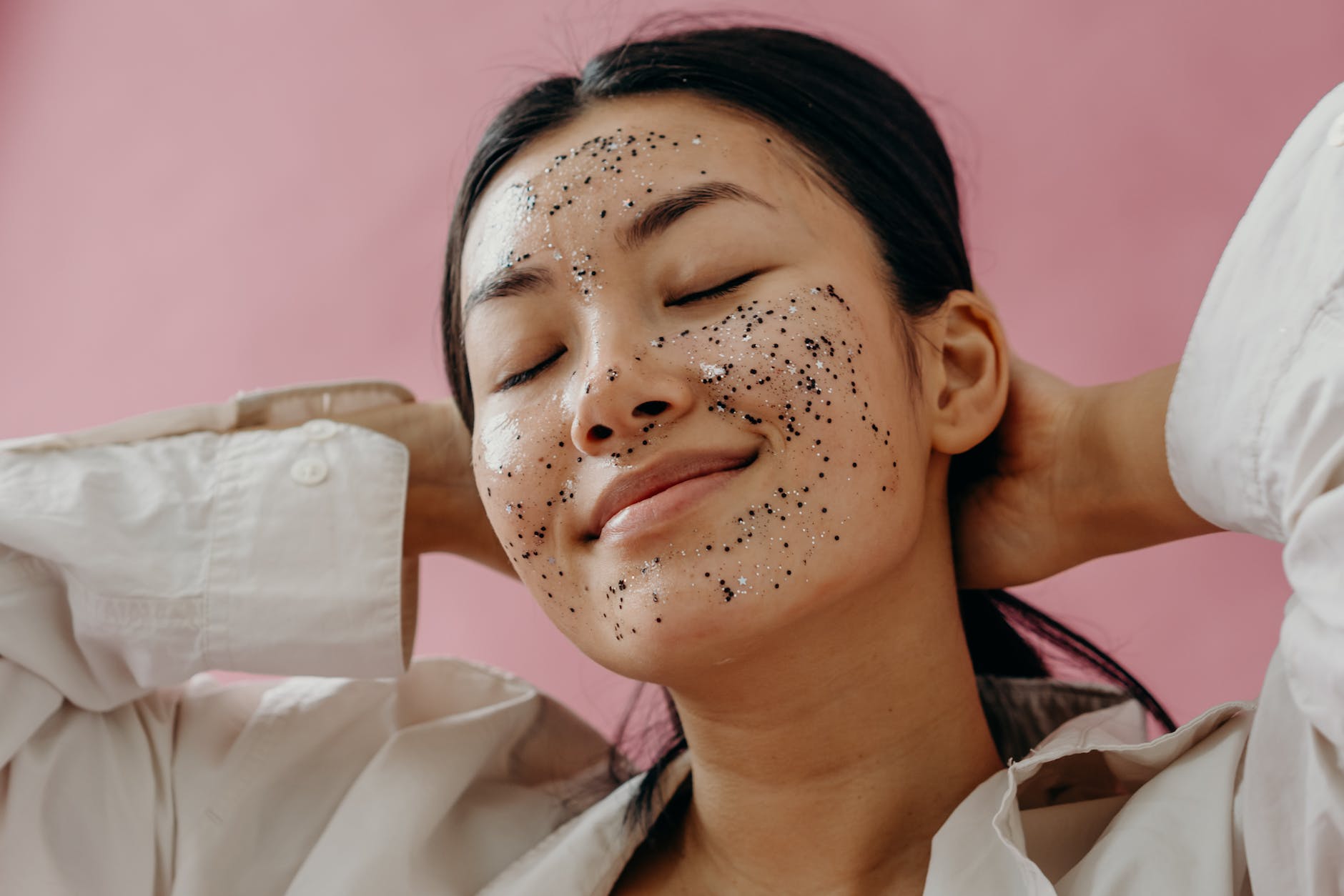
But…what about exfoliation?
What exfoliation does is that helps to remove dead cells in your skin and stimulates the production of new cells.
This should be done two to three times a week, but it will depend on your skin: normal skin 2–3 times a week, oily skin can go up to 4 times a week if it feels good, but sensitive or dry skin should do no more than 2 times a week. Always go to your dermatologist and ask for professional advice if you notice something is off with your skin.
In my case, I like to make my own products, and for exfoliation, I use old coffee grains mixed with coconut oil, or I add a bit of the same cleanser I used previously. Nothing else. Always applying my rule of less is best.
Papaya extract is also good for exfoliating your skin and helps to prevent the formation of acne caused by clogged pores and excess oil. Macadamia nut oil and pomegranate are good for moisturising, rosehip oil is good for any scars or marks, Kakadu plum and green tea are very good antioxidants, vitamin C evens out the skin tones, helping with pigmentation and brightens your skin, and Gotu kola stimulates the synthesis of collagen, slows collagen breakdown, and improves the tensile strength of the skin.
What about my hair?
But coffee grains and tea are not just good for the skin, they can also help with your hair. If you want to cover those grey hairs, you can always use coffee. How?
If you have dark hair, you can brew a strong batch of coffee and mix it with a mask or leave-in conditioner. Then, leave it for a few hours (yes, it’s a long process) and then rinse with apple cider vinegar (ACV). You can always use tea (use around 5 bags) and you can add some sage to the mix, which is good for improving the circulation of the blood in the scalp, which means helps to nourish the hair follicles.

For my blonde friends, chamomile and lemon juice can help with picking up highlights in blonde hair, and for my red-haired friends, we have rooibos tea and henna. Henna can also be used in dark hair.
- Dry hair? You can make a mask with 1 ripe banana and one tablespoon of olive oil.
- Did you run out of shampoo? 1 tablespoon of aluminium-free baking soda with one cup of water, massage into your hair and rinse. Baking soda can also be used as a dry shampoo: ¼ of baking soda and ¼ of corn-starch. Mix it in a bowl and use a brush to apply on the hair (closer to the scalp) and then brush with your normal hairbrush. This will also give you a bit of volume to your hair.
And that is it for now my Life Lovers crew, I really hope that this information is useful and sparks the curiosity of having a more organic and natural skincare (and hair care) routine.
It can feel overwhelming, but the more you read, you will start getting familiarised with the terms, and names, and it will get easier. I promise!
If you have any questions, message me on Instagram and I am happy to answer, or we can find the answer together.
Have an incredible month!!
See you next time.

Get the magazine!
Enjoy this and other inspiring stories in “Embracing the choices that work for you”.
October 2023 | Life Lovers Magazine.
 Life Lovers Magazine®