
Ever wondered what holidays other than Christmas are celebrated around the world? In this article, we’ll take a look at some of the celebrations acknowledged in different countries this month.
By Olivia Mulligan

Christmas is perhaps one of the biggest holidays worldwide in the month of December. Every year on December 25th, people in hundreds of countries around the world gather for a celebration with their loved ones.
Although primarily a Christian holiday dedicated to celebrating the birth of Jesus Christ, Christmas is also celebrated by secularists – those who aren’t religious.
The way Christmas is celebrated in different countries varies, though the general principle of spending time with friends and family is the same.
But Christmas is not the only holiday celebrated in December. Here are some of the other cultural holidays observed around the world:
1. The Feast of St. Nicholas – December 5th/6th
St. Nicholas Day is usually celebrated by Christians on either December 5th or 6th. The holiday celebrates the life of St. Nicholas, who is the inspiration behind the figure of Santa Claus due to his generous, giving spirit.
2. Hanukkah – December 7th-15th
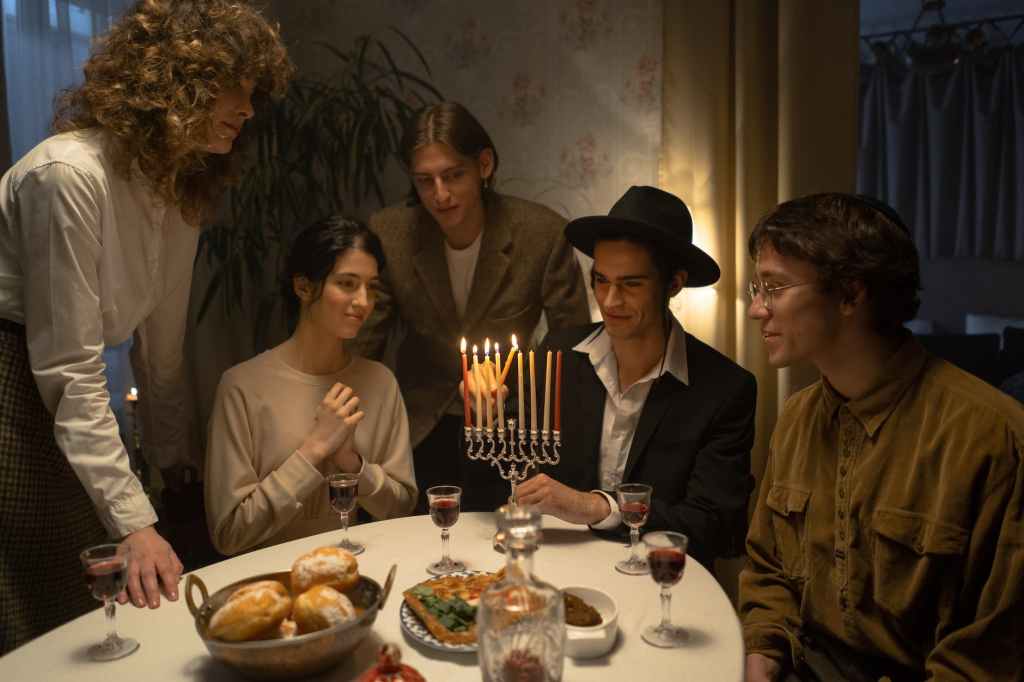
The Jewish festival of Hanukkah is celebrated every year on the 25th day of Kislev in the Hebrew calendar. The festival lasts for eight days, and this year it will be celebrated from the 7th to the 15th December.
The Jewish Festival of Lights tradition involves the lighting of one candle on a menorah (a nine-branched candelabrum) each night throughout the festival, with the ninth candle used to light the others each night.
This tradition celebrates the legend of a small group of Jews who revolted against the Greek Syrian army in 165 B.C. They were led to victory after a day’s worth of oil miraculously lasted eight days throughout the battle.

3. Immaculate Conception Day – December 8th
This is a Catholic holiday celebrated in honour of the Virgin Mary on December 8th. Celebrants believe the Virgin Mary was born without original sin and acknowledge the day by going to church and feasting.
4. Bodhi Day – December 8th
Also celebrated on December 8th is Bodhi Day – a Buddhist tradition. Also known as ‘Rohatsu’ by those who celebrate it, Bodhi Day celebrates the day that Buddha (or Siddartha Gautauma) is believed to have achieved enlightenment. The act of meditation is chosen as a way to honour this religious and cultural event.
5. Feast Day of Our Lady of Guadalupe – December 12th
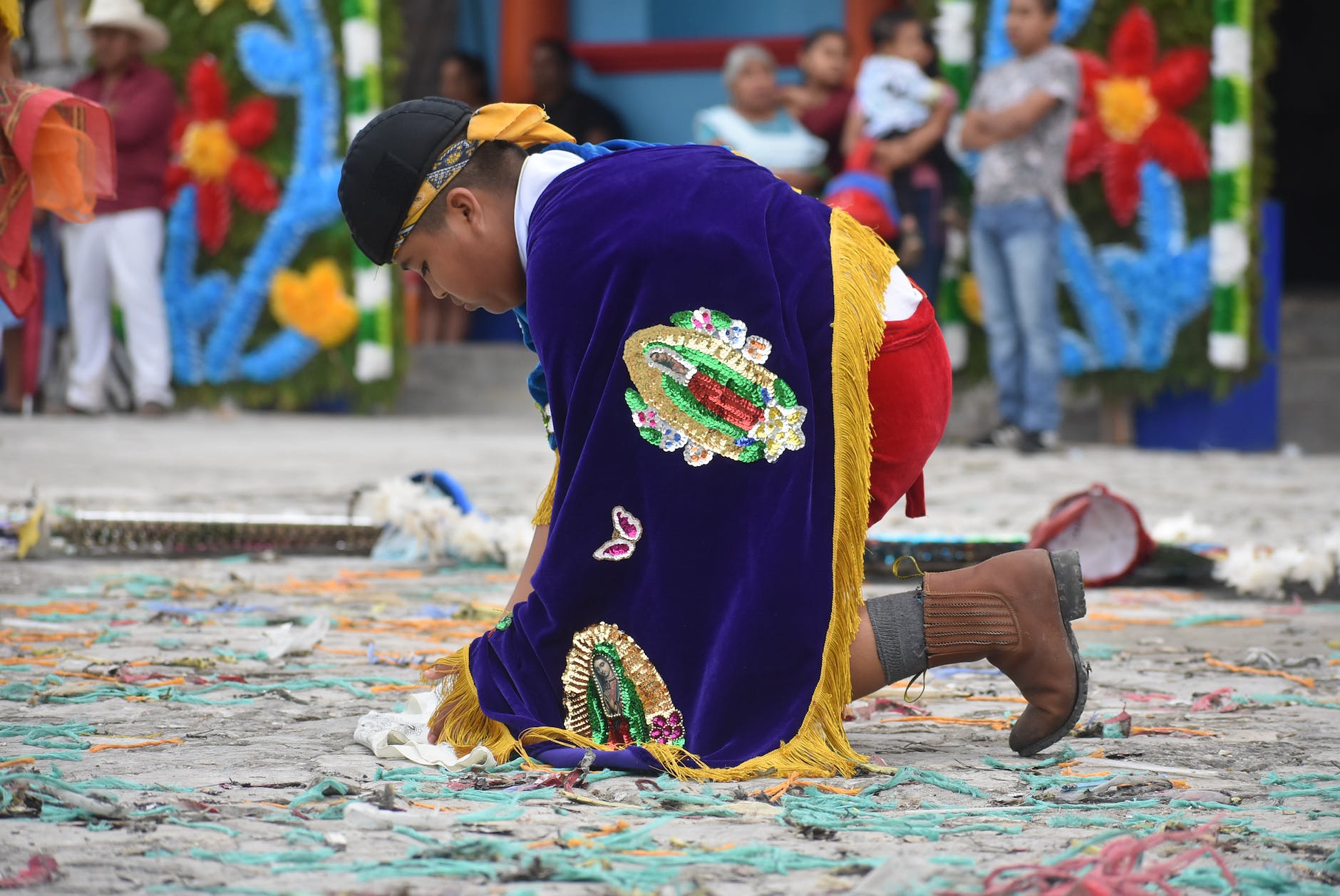
Celebrated by Mexicans and Mexican Americans, this holiday is in honour of Our Lady of Guadalupe, the patron saint of Mexico. A saint who symbolizes patriotism and devotion and is believed to be one of seven apparitions of the Virgin Mary.
The day usually sees pilgrims visit the Basilica of Our Lady of Guadalupe. Figures of the Virgin Mary can be seen far and wide across the country in shops, homes and shrines.
6. Santa Lucia Day – December 13th
Also known as St. Lucy’s Day, Santa Lucia Day is a Christian feast day celebrated on December 13th. The day celebrates the martyr St. Lucy, who is a symbol of light during the darkest time of the year.
The holiday is celebrated widely in Scandinavian countries, with candlelit processions and concerts and celebrants dressed all in white.
7. Yule – December 21st-January 1st
Yule is a Norse festival celebrated by Wiccans and Neo-Pagans to mark the winter solstice. This is the darkest day of the year and happens on December 21st. The festival celebrates the beginning of longer days again as the sun returns. It is traditionally celebrated in Scandinavian countries with the burning of a Yule log.
8. Kwanzaa – December 26th-January 1st
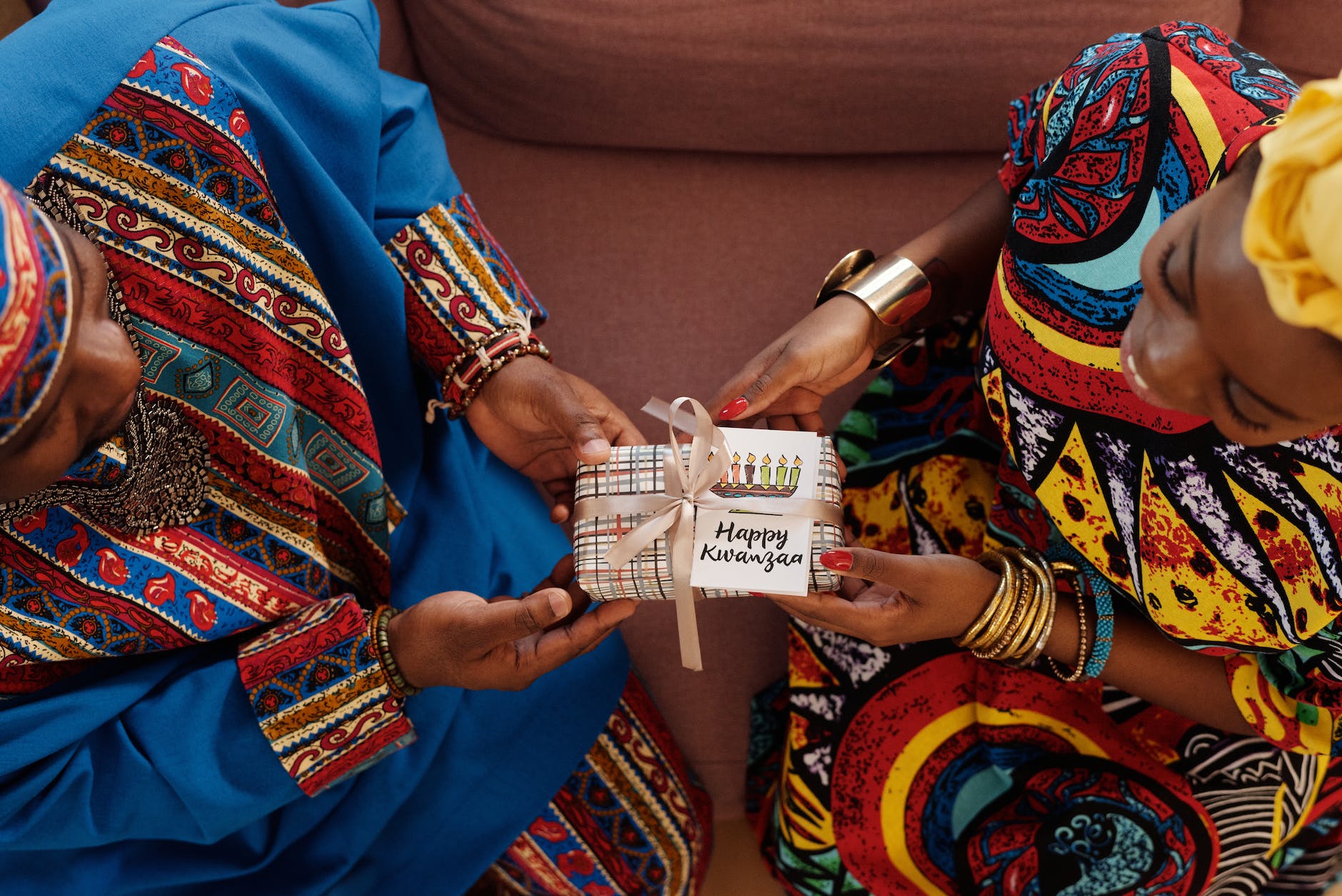
Kwanzaa is a week-long cultural holiday to celebrate African American heritage. It was created in 1966 by black nationalist Maulana Karenga in an effort to unite Africans and Americans within the community after the Watts Rebellion. A rebellion which began after a white California police officer arrested a black man for drunk-driving, it led to 34 deaths and over 1,000 injuries.
Celebrants of the holiday uphold the seven principles set out by its founder:
- Unity
- Self-determination
- Collective work and responsibility
- Cooperative economics
- Purpose
- Creativity
- Faith
9. Zartosht No-Diso – December 26th
To many of us in the UK, December 26th is Boxing Day, but to Zoroastrians this day is Zartosht No-Diso. The day honours the death of Zoroaster in what is one of the world’s oldest monotheistic religions. Followers celebrate this day usually by visiting a temple for prayers.
10. Boxing Day – December 26th
Speaking of Boxing Day, this is a public holiday celebrated the day after Christmas Day. It’s widely celebrated in Great Britain, Australia, Canada and New Zealand. It comes from the days of the British Empire when servants were given a Christmas box and given a day off to spend with their families. It was also a day when the wealthy would box up gifts to give to the poor out of kindness.
11. New Year’s Eve – December 31st
This one, we’re all familiar with – regardless of country, culture or religion. New Year’s Eve witnesses the end of one year and the beginning of a new one, typically celebrated at exactly midnight with a countdown followed by singing and dancing with loved ones and friends.
New Year’s Eve is a globally celebrated holiday, with its most well-known date being in December. However, it’s worth noting that this isn’t the only date on which it’s celebrated. Since this festivity is based on the Gregorian calendar, it always falls on December 31st, but other cultures use different calendars. For instance, in China the new year is celebrated in February, based on the lunar calendar.
Now you know about some of the most fascinating holidays celebrated around the world in December. That should come in handy for a Christmas quiz!

Get the magazine!
Enjoy this and other inspiring stories in “Magical Times”.
December 2023 | Life Lovers Magazine.
 Life Lovers Magazine®