

Every year, over 1 billion tons of delicious food end up in landfills. Yet, 1 in 9 people go hungry globally. As individuals, our daily choices significantly impact food waste. This guide shares simple swaps like meal planning and smart shopping to slash household food waste and adopt more mindful habits.
What Are the Types of Food Waste?
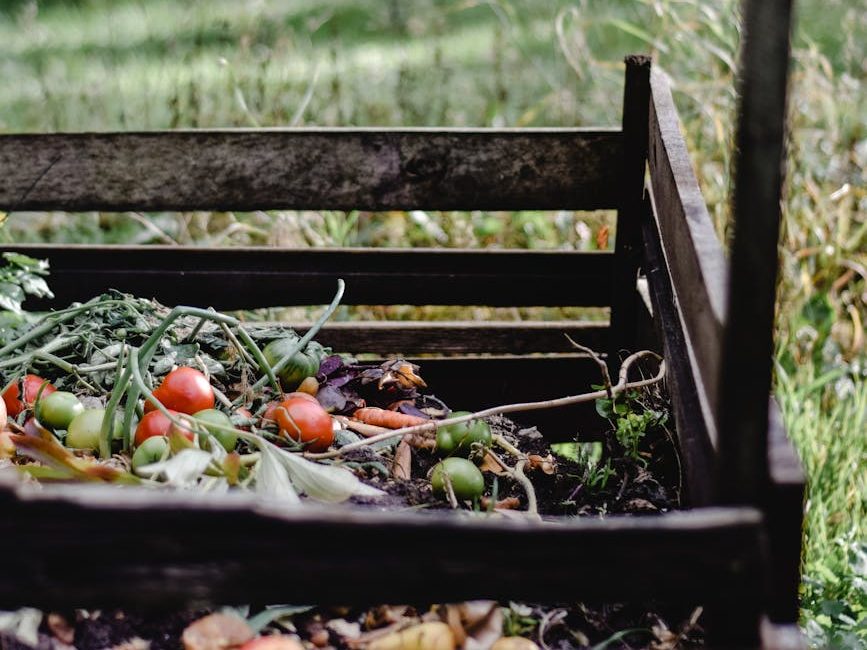
It’s important first to understand the different types of food waste so we know where to focus our efforts. Food waste can generally be categorized into four stages:
Spoilage
This refers to food lost before it reaches consumers due to spoilage or rotting. Fruits and vegetables that bruise during harvesting or transport fall into this category. We can help reduce spoilage by choosing produce that is fresher looking without blemishes when shopping.
Pre-consumption
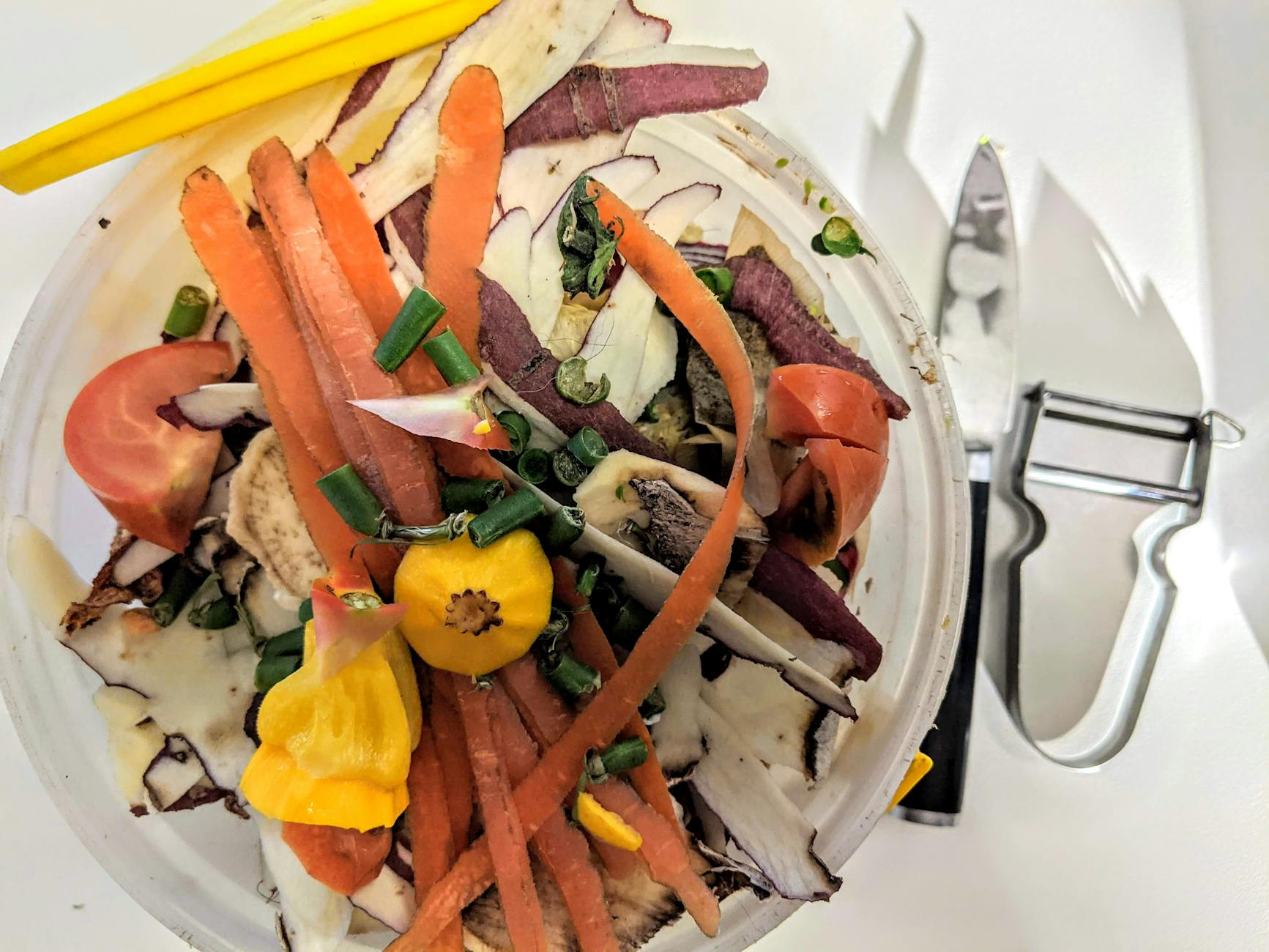
Food lost during preparation and cooking is considered pre-consumption waste. This includes peelings, vegetable trimmings, eggshells, etc. We can minimize this type of waste through proper measuring and portioning techniques.
Plate waste
Food left uneaten on plates after cooking is the most significant source of household food waste. Making a meal plan and considering portion sizes carefully can help curb plate waste.
Post-consumption
Food leftover uneaten which gets thrown out. Learning how to store and preserve leftovers through freezing or repurposing into new dishes can help reduce post-consumption waste.
The main causes for individual-level food waste include lack of planning, unrealistic portion sizes leading to plate waste, and impulse purchases that end up spoiling. Understanding these categories and causes is the first step towards more mindful consumption habits.
Why Is It Important to Be Mindful About How Much Food We Are Wasting?
Firstly, it addresses environmental concerns: food production uses valuable resources such as water, land, and energy, and wasting food squanders these resources unnecessarily, contributing to environmental degradation.
Secondly, it has economic implications: when food is wasted, the financial investment in producing, transporting, and selling this food is lost, affecting everyone from farmers to consumers.
Thirdly, food waste has a social dimension: while millions worldwide face food insecurity and hunger, a significant amount of food is wasted. Reducing food waste can help redirect food to those in need, promoting social equity.
Lastly, minimizing food waste can reduce the emission of greenhouse gases produced by decomposing food in landfills, a significant factor in climate change. Therefore, being mindful of food waste has profound environmental, economic, social, and ethical implications, making it a crucial aspect of sustainable living and responsible consumption.

What Happens When Food Goes to Waste?
Food that ends up in the trash greatly impacts how we all feel. Let’s break down some of the key effects.
Climate Change
When food rots in landfills, it releases methane gas. Methane is over 80 times more powerful at trapping heat than carbon dioxide. All that wasted food ends up supercharging global warming. The EPA says reducing food waste is one of the best things individuals can do to combat climate change.
More Land and Resources
Growing excess food uses extra land, water, and fuel for farming. It also means more pesticides and fertilizers polluting the environment. If we wasted less, we could use less resources to feed everyone.
Money Down the Drain
All that uneaten food is worth around $1 trillion annually! That’s real dollars businesses and families toss in the trash. By planning your weekly meals, you save grocery cash by preventing spoiled snacks from being binned.
Hunger Hurts More People
Can you believe 1 in 9 people don’t have enough meals? If even a small part of food that gets thrown out was donated, more folks could fill their stomachs without going to bed hungry. Wasting food just doesn’t sit right when others can’t afford three meals a day.
By repurposing leftovers, we can feed more people instead of wasting food. Our small changes can greatly impact reducing food waste and helping those in need.
What Are Some Mindful Ways to Slash Food Waste?
Now that we understand the main sources of food waste, let’s explore some actionable strategies to prevent it.
Planning and Shopping
- Plan weekly meals based on your schedule and what’s in season. This prevents last-minute decisions leading to excess purchases.
- Use a grocery list to focus on the ingredients needed for planned meals. Don’t leave home without the list to avoid impulse buys.
- Check for sell-by, use-by, and best-before dates to shop for food with ideal freshness.
- Purchase fruits and vegetables that look fresh without blemishes to reduce spoilage.
Storage and Preparation
- Store food items like perishables in the refrigerator at 40°F or below as recommended.
- Learn techniques to extend the lifespan of fresh produce, like proper washing and drying storage in sealable bags.
- Use shelf-stable food preservation methods like freezing or canning to extend the usability of groceries.
- Measure out appropriate serving sizes to curb plate waste and leftovers. Prepare only what will realistically be eaten.
Mindful Consumption Habits
- Only purchase what you realistically need to avoid excess. Make a shopping list and don’t wander aisles.
- Slow down at meals and tune into your body’s fullness signals to curb plate waste. Even one less bite of each meal adds up.
- Ugly produce is edible too. Focus on nutrition over perceived imperfection and don’t bin bruised fruits/veggies.
Food Waste Reduction Hacks
- Get creative with leftovers—soups, fried rice, and frittatas are easy ways to disguise extra portions.
- Portion leftovers into individual containers or bags to freeze for quick reheats later. Properly stored, frozen food maintains quality for months.
- Repurpose kitchen scraps to feed backyard chickens. Egg shells, vegetable peelings, and bread ends provide a complete diet for the flock while diverting food scraps from landfills. Just remove inedible parts like citrus peels or meat and dairy.
- Maintain a backyard compost to break down outputs and provide nutrient-rich soil amendment for home gardens and houseplants. Worm composting works for small spaces.
- Connect with local organizations that collect edible excess from homes and restaurants to feed needy people. Community fridges help redirect still-good prepared meals or fresh produce to address hunger.
What Happens if We Use Mindfulness to Food Waste?
When you apply mindfulness to food waste, you transform your relationship with food and its consumption.
By being fully present and aware of your actions, you start to appreciate the resources and effort that go into producing food. This awareness prompts you to consider portion sizes, plan meals effectively, and store perishables properly, reducing overbuying and subsequent waste.
Mindfulness also encourages you to get creative with leftovers and find new ways to use them instead of discarding them. Moreover, as you become more mindful of food waste, you may start advocating for systemic changes in food distribution and consumption patterns, contributing to a more sustainable future.
So, practicing mindfulness with food empowers you to make conscious choices that benefit both yourself and the environment.
Final Thoughts
Being mindful of food is key to wasting less. Sustainable living doesn’t require an overnight change. Start by focusing on one weekly tip, like taking a photo of your plate to be more conscious of servings. Challenge yourself to use every scrap when cooking this month.
Every bit of reduced waste contributes to a better world. By sharing these successful strategies, we can help others diminish food waste step-by-step. Working together through mindful choices, we can nourish communities for years.
Author’s Bio
I’m Phoebe Collin, a passionate advocate and writer dedicated to fostering eco-friendly habits. My focus extends beyond mindful consumption to include reducing food waste. Through my advocacy and writing, I aim to inspire positive change, encouraging individuals and communities to embrace sustainable practices for a healthier planet.

Get the magazine!
Enjoy this and other inspiring stories in “Embracing being homesick”.
March/April 2024 | Life Lovers Magazine.
 Life Lovers Magazine®