
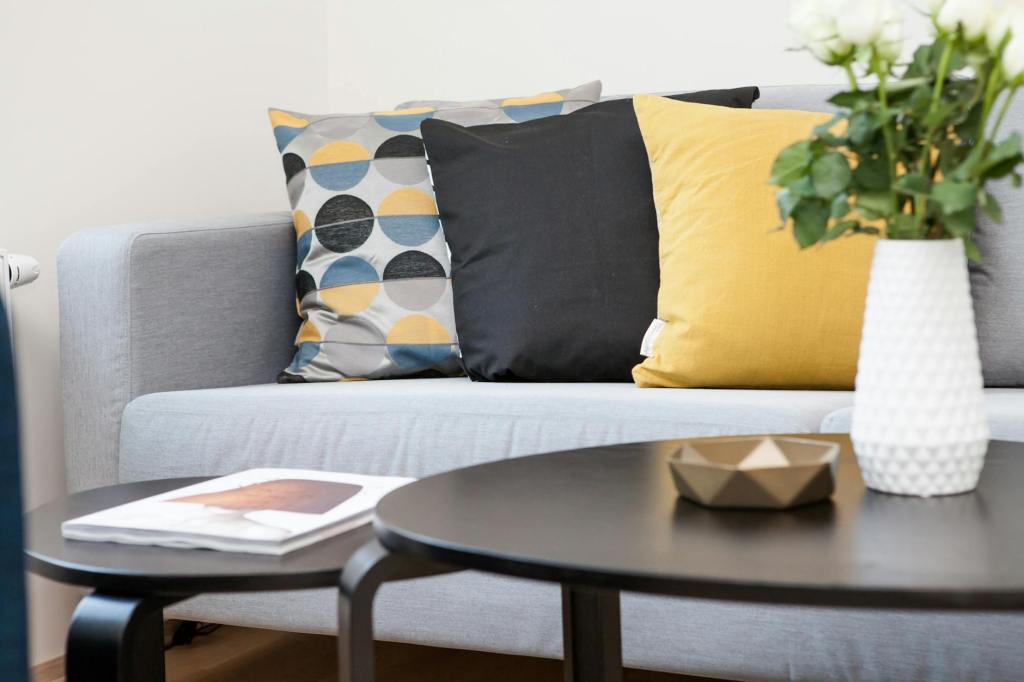
Buying a home is expensive, and the last thing most people are going to want is to have to sell up and find somewhere new because they need a little more flexibility. What if you didn’t have to do that? What if you could make your current home more flexible and enjoy it even more (perhaps even adding to its value so that when you actually do want to move, you can make a decent profit out of it)? Well, it’s possible — just keep reading for some useful tips on how to do it, and you can start putting your ideas into action.

Create Open Spaces
Something that can really add a lot of flexibility to your home is making it as open-plan as possible and create some new open spaces inside. Of course, you don’t have to open everything up – some privacy is always nice – but if you can open some of it and perhaps have a kitchen diner or a living room and kitchen in one, that’s definitely going to give you some scope when it comes to being flexible.
It’s really a case of removing any unnecessary walls and barriers so you can create a more open and seamless space to live in, but that word ‘unnecessary’ is crucial – don’t just go about knocking down walls without getting advice first because some walls need to be in place structurally. However, get this right and your home instantly becomes much more flexible.
Add Solar Panels
Adding solar panels to your home is another way to add some flexibility to the place because it helps reduce how much energy you’re using – that opens up all kinds of opportunities, the best being that you can save money, which means you can invest in making your home a lot more functional.
It’s amazing how homeowners and businesses can reduce energy costs with solar energy, and when you know how to go about it, you’ll be able to have a sustainable and cost-effective energy source at all times; you can even store excess energy in batteries to use during power outages, plus you can scale your solar energy up or down depending on what you need to use or collect. This flexibility means you’re in complete control of your bills, helping you budget more easily and get more done around the house.

Use Smart Home Technology
Since we’re talking about technology, it would be wrong not to talk about smart home technology as well – using this in its various forms can definitely help to make your home a lot more flexible, and you’ll also be keeping your property up to date, which is always a good idea.
You can install automated lighting, heating, and security systems, for example, so you can control your home’s environment easily from wherever you are – even if you’re not at home. Smart thermostats, for example, can learn your schedule and make sure your home is nicely heated or cooled by the time you get back from work or other chores, and voice-controlled assistants like Alexa can make it even easier to make your home exactly as you want it, but also give you the option of making changes depending on the weather, who’s visiting, and so on. It’s an ideal way to be a lot more flexible without having to do too much to make it happen.
 Life Lovers Magazine®