
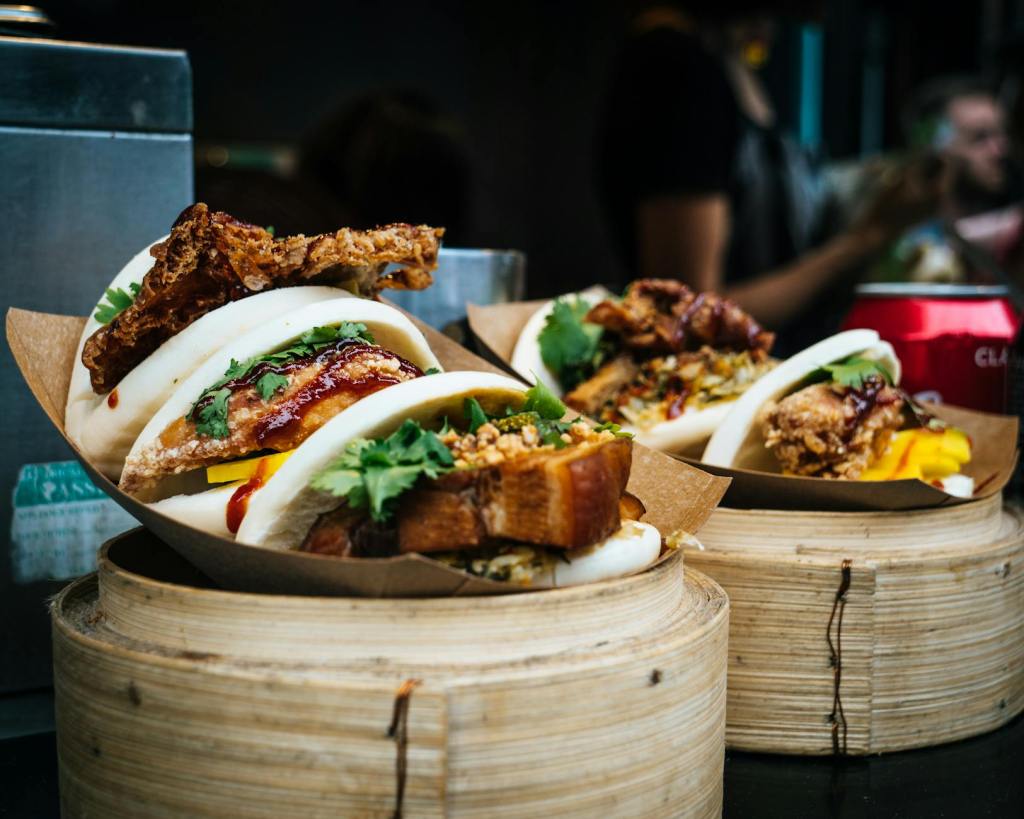
Perhaps you had a croissant in Paris and thought it tasted completely different from one at home. Or that the pasta dishes seem lighter, easier to digest in Italy, even as the ingredients seem similar. This is one of the many joys of travel- the same foods often taste different and sometimes feel different in our body depending on where in the world we are. But why?

Local Ingredients And Their Peculiar Flavor Profiles
When eating out in other countries, the ingredients are truly the main difference in taste.
There’s a sense of terroir, or that combination of land and climate and farming culture that gives produce a definitive taste. Tomatoes grown in southern Italy, in those hot, sunny fields, have a naturally sweeter and more robust flavor than others. Even wheat, of which pasta is made, can be different in order to give the dishes of Italy a different taste.
Various Methods of Food Preparation
Different cultures have their own unique approach to food pairing, which subtly influences both flavor and digestion. For example, the Mediterranean diet often combines ingredients like olive oil, fresh vegetables, and fish, creating light, balanced meals that are easy on the stomach and deeply satisfying. In Thailand, where dining preferences vary, it’s not uncommon to find an Italian restaurant in Bangkok that beautifully adapts traditional Italian dishes with local influences, resulting in a refreshing take on familiar flavors. These unique food combinations, whether traditional or fused with local flair, often create a harmony of flavors that enhances digestion and makes each meal an enjoyable experience.
The Role of Seasonal Harvest Cycles in Flavor and Digestion
Another subtle factor that shapes how food tastes and how our bodies process it is seasonality. In many parts of the world, local cuisine naturally follows the rhythm of the harvest. Spring vegetables tend to be lighter and more delicate, summer fruits are bright and hydrating, while autumn and winter foods often become heartier and more warming. Eating ingredients at their peak season means they are fresher, richer in nutrients, and less likely to require heavy preservation methods. This freshness not only enhances flavor but can also support smoother digestion because the body receives foods closer to their natural state. Food writers and culinary observers such as Tim Kealy of NJ have often highlighted how seasonal sourcing allows chefs and home cooks alike to preserve the true character of ingredients while keeping meals balanced with the environment and the body’s natural rhythms.
Unique Cultural Ways of Food Pairing
However, ingredients and techniques aside, each culture has its own way of putting food together, which influences digestion in a subtle way. The meals in the Mediterranean use olive oil, fresh vegetables, and fish in combination to make light dishes satisfying yet easy on the stomach. In Japan, rice pairs well with fermented vegetables and fish- a combination that supports digestive health and helps the body assimilate nutrients remarkably well. These pairings might have your body respond and experience dishes in a completely different manner than what you are used to.
The Microbiomes Will Adapt To Regional Consumption
We have another culture, too, our gut microbiome, fostered by what we normally eat. Travel changes this as the new foods and flavors throw the microbes in the gut out of their balance, causing a period of indigestion, but the same process can heighten one’s resiliency. As time goes by, the gut adapts to new food cultures to ease digestion of what may have felt alien inside it earlier.
Fewer Additives in Traditional Diets
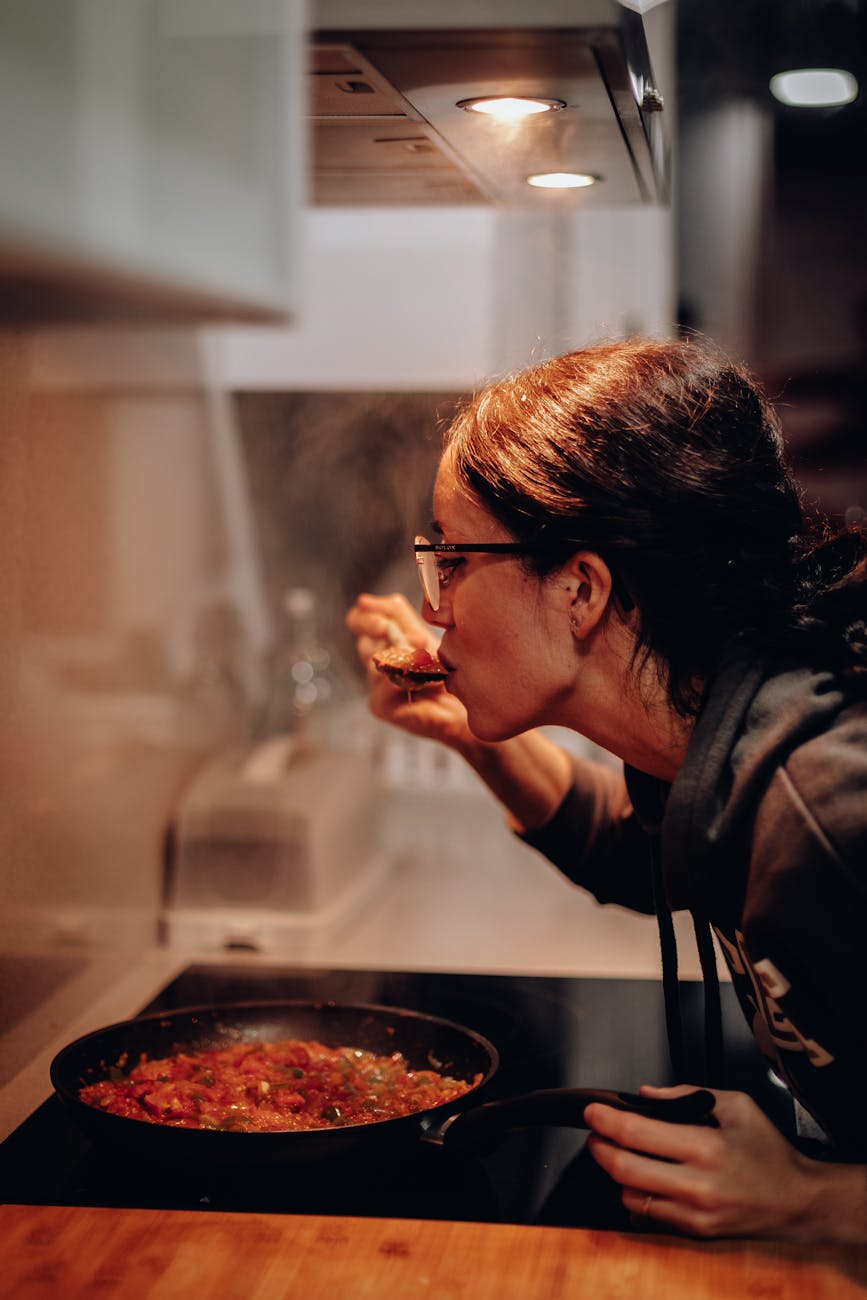
Traditional food preparation in much of Europe, for instance, may include the use of fewer preservatives, pesticides, and artificial additives than foods elsewhere that are more processed. This partly explains why some foods appear more “natural” or lighter, particularly to those individuals with specific sensitivity to additives. The gluten-intolerant traveler who cannot eat bread at home thus often discovers that they can eat bread in Italy without any problem; this is sometimes explained by the quality of the flour and traditional baking methods that break down gluten.
And so, the next time you dine on a local delicacy in another country, make it a total experience. New flavor, and even the sensation in your body, teaches a lesson about beautiful diversity in food cultures. Be it from the freshness of farm produce to cooking techniques that have been guarded with secrecy through generations, there’s something new every country’s cuisine can offer toward nourishment of the body and soul.
 Life Lovers Magazine®