
Through the wonders of Brittany, Normandy & Pays de la Loire.
That I enjoy a good road trip is, by now, a well-established fact. That my parents share this enthusiasm? Let’s just say the jury’s still out—especially when I’m the one behind the wheel. (But that’s a tale best saved for another day… preferably one where I’m not being judged for my questionable parallel parking.)
This particular adventure took place in April, when my family and I set off on a journey through the winding charm of Brittany and Normandy. What follows is a (hopefully) inspiring itinerary that begins with the quirky delights of Nantes, meanders through Rennes with its candy-coloured half-timbered houses, brushes past Caen and its postcard-worthy surroundings (Alabaster Coast, anyone?), and celebrates all the gems tucked in between. Buckle up—it’s going to be a scenic ride!
Day 1: Nantes
Our action-packed trip started from the Pays-de-la-Loire’s administrative centre – Nantes. Once the capital of Brittany and famously the birthplace of Jules Verne, this lively city sits proudly on the banks of the Loire (because what self-respecting French city doesn’t come with a scenic river?). If you fancy putting the phone away and immersing yourself in the local atmosphere, navigating the city is easy: just follow the tram’s green line and you’ll stumble upon a treasure trove of quirky sights, culture, and local charm.
The one that surprised me the most? By far the Château de ducs de Bretagne. I didn’t expect to find a perfectly immaculate 15th century-castle in the heart of the town centre. You can walk around its walls and the inner courtyard free of charge, but you’ll need a ticket to visit the castle itself.
Other must-see highlights include:
- Nantes Cathedral
- Les Machines de l’Île
- Passage Pommeraye
Day 2: Nantes > Rennes (1.5h driving time)

And so our real adventure begins! After getting acquainted with a much bigger car than expected, we set off toward Rennes, in Bretagne (the French name for Brittany). The journey led us through breathtaking rural landscapes deep in the region’s heart, passing quiet, picturesque villages—seemingly deserted, yet filled with the scent of happiness lingering in the air.
Rennes looks like it’s been recently painted with the most vibrant palette. Almost destroyed by a fire in 1720, the city counts on its half-timbered houses to stand out – and rightly so! These were built from the 15th century onwards and, while you may think they’ll collapse as you blink (yes, they’re that crooked), sit elegantly askew along the cobbled streets. I thoroughly enjoyed roaming the old town – my camera roll can confirm – soaking up the lively vibe and delighting my palate with the best-ever cheeseboard. If you’re around the city on a Saturday morning, don’t miss out on the staple market: the Marché des Lices.
Other must-see spots in Rennes include:
- Parc du Thabor
- Rennes Cathedral
- Rennes Opera
Day 3: Rennes > Mont Saint-Michel > Cancale > Rennes (1h /45 mins/ 1h)
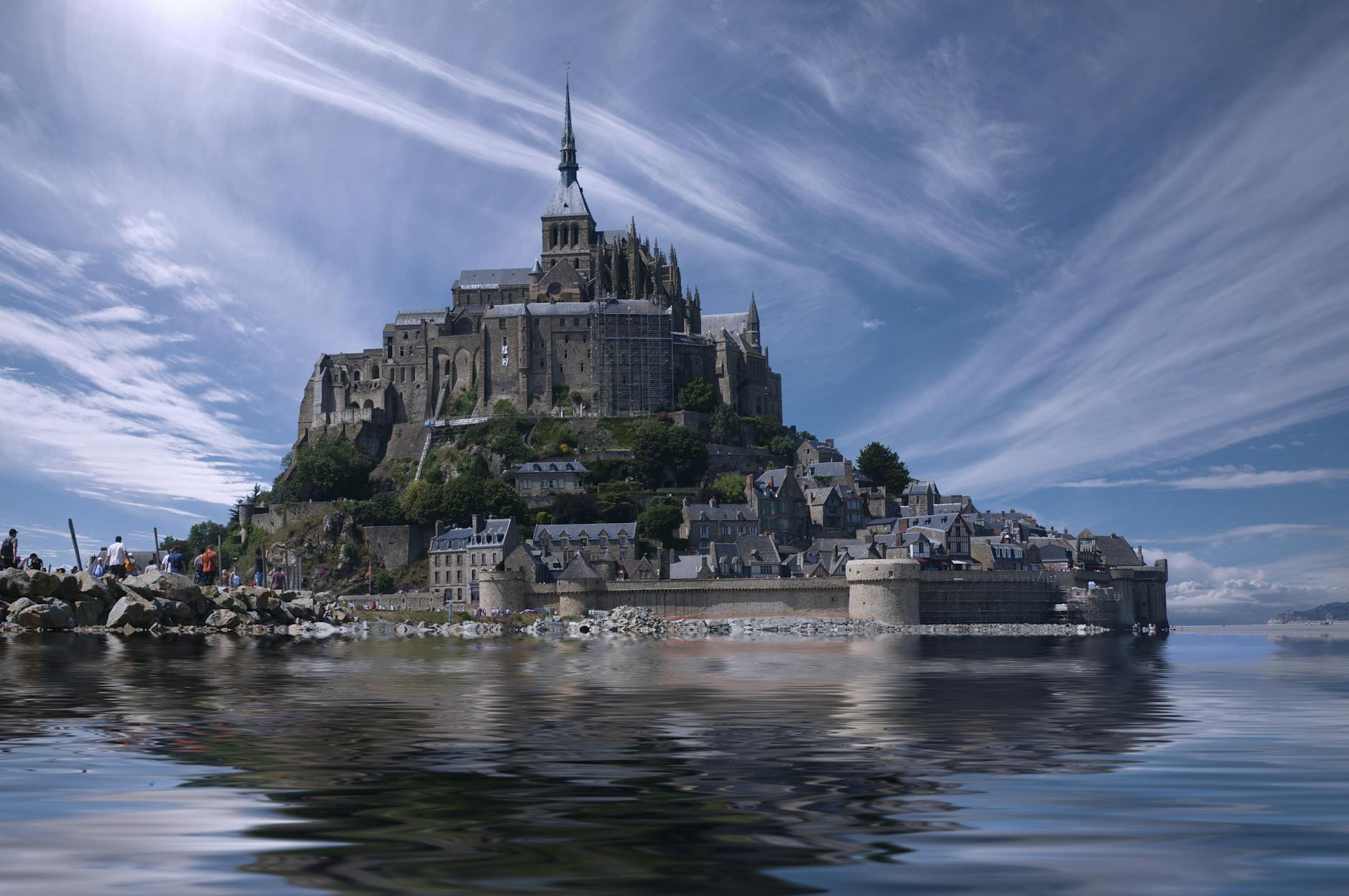
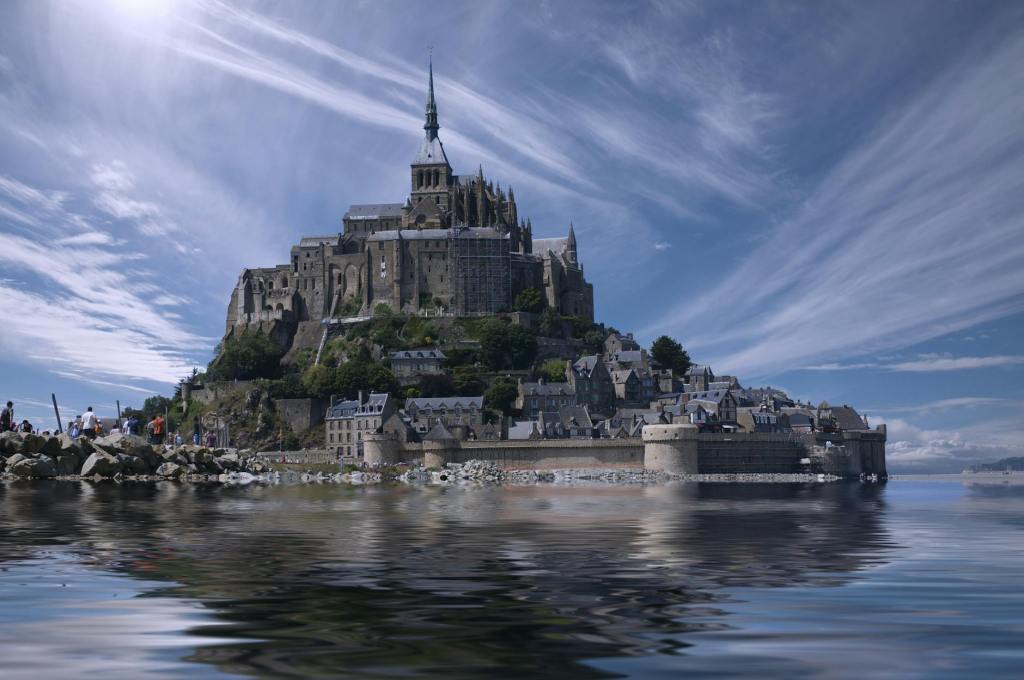
Fuelled with a greater sense of adventure and not yet scarred by my drive, we headed to Mont Saint-Michel – whose pictures have lived rent-free in my mind for far too long.
Because we travelled off-season, the roads were mostly empty (a few tractors along the way, but hey ho – more time to admire the scenery). The fog had been quite dense the day before, so we were worried we wouldn’t have seen the abbey at its fullest, but it stood above ground before we could say anything else. At every turn, through every seem, you could catch sight of it. A memory that doesn’t have a price tag.
We left the car and took the free shuttle to the foot of the abbey, which is exactly as you’d expect. One-of-a-kind, mysterious, and touristic. One-of-a-kind because how on earth has this even been built? Let alone in the 13th century by monks! Mysterious because it feels like the Benedictines never really left. Touristic because, well, it’s a UNESCO Heritage Site so crowds will be there, but this doesn’t take away its magic.
We spent about two hours visiting Mont Saint-Michel, at the end of which we headed over to Cancale – a picturesque fishing village on the Emerald Coast. Personally, this ranks at the top of the list, so I recommend making time for it! In terms of attractions, there isn’t much; in terms of food and vibes, you won’t be disappointed. We settled for oysters (this area is worldwide famous for its endless oyster beds) and took a walk along the promenade up to the lighthouse. A breath of fresh air for the soul.
Day 4: Rennes > Saint-Malo > Caen (1h/2h)
On day four, we travelled to Saint-Malo on the English Channel. Heavily bombed by the Allies during WWII, this port city still proudly wears its history—pirates and all. The ramparts remain a striking feature of the landscape, standing tall and resolute above the sea.
The Intra Muros neighbourhood—essentially the old town within the walls—is full of character, with local craftsmanship and quirky little boutiques around every corner. Grab an ice cream to go and take a stroll along the ramparts; the glittering blue water stretching out before you is the kind of view that stays with you long after you’ve left.
After delighting ourselves with a full crab at a local restaurant (not for the faint of hearts), we made our way to Caen, where we spent the following two days. I’ll be honest: Caen didn’t quite sweep me off my feet. But what it lacks in wow-factor, it more than makes up for in location. It’s the perfect base for exploring the highlights of Normandy—so yes, I’d still recommend staying there!
Day 5: Caen > Honfleur > Étretat > Caen (1h/50 mins/1.40h)
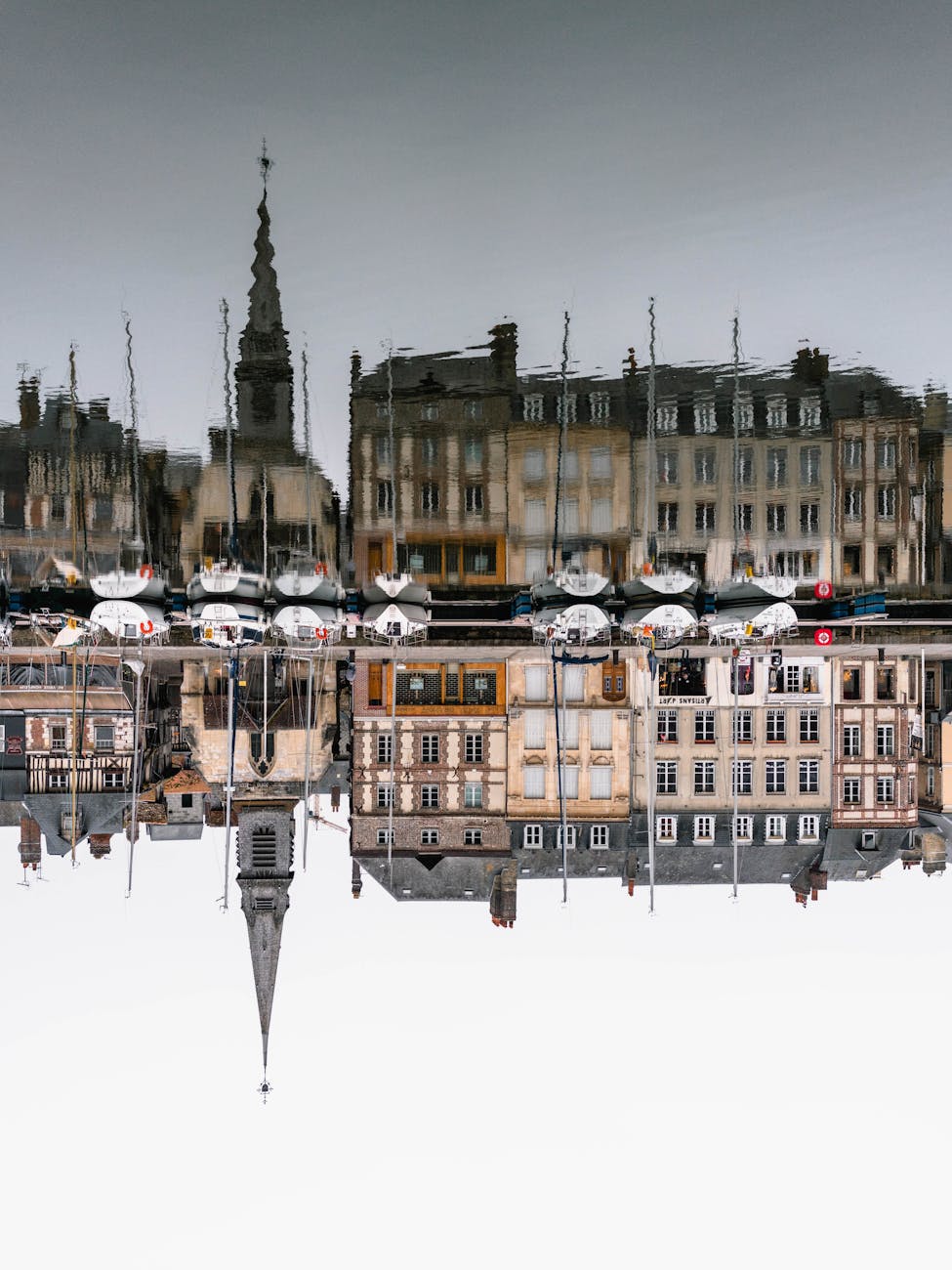
Honfleur is racing for the first with Cancale. And while there are multiple reasons for this, one stands out above all: the food. Seafood in Normandy is state-of-the-art, but Honfleur’s tickled our tastebuds like no other place. We had the moules frites (mussels and French fries), which may sound simple and perhaps are, but the lemon and garlic juice gave them another depth. The town was originally built for trade and has long been an Impressionist hotspot, which is why there are various art galleries. It’s also packed with candy shops – no flavours left unturned!
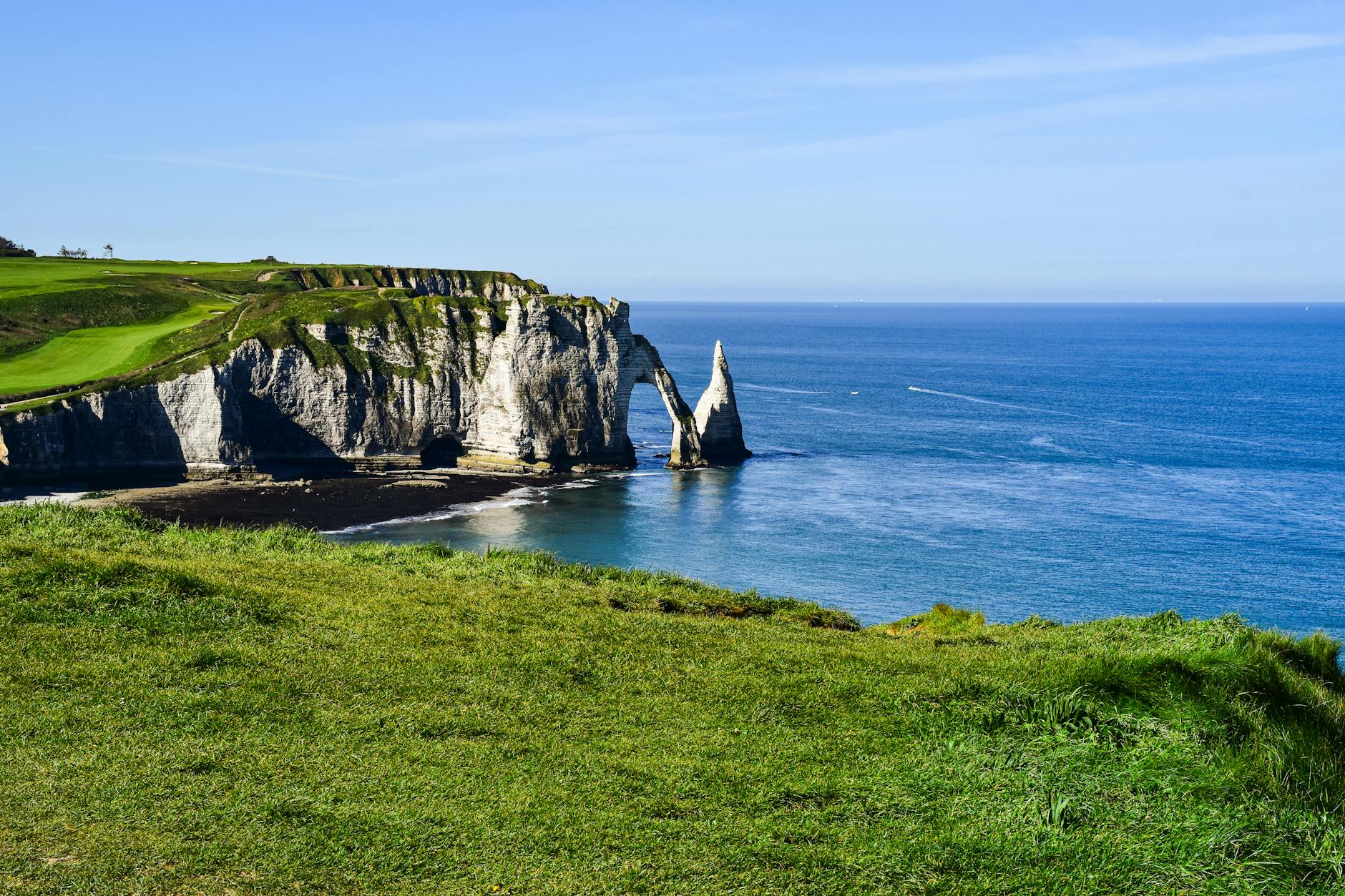
After Honfleur, we headed to Étretat on the Alabaster Coast. This spot is world-famous for its dramatic white chalk cliffs, the most iconic of which is the Aiguille (or “the Needle”)—a striking natural sculpture that rises 70 metres above the sea.
You can hike up the cliff to the little chapel and wander through the botanical gardens, both of which offer unbeatable views of the coastline. Many selfies were taken (strictly for my mum’s happiness, of course—because we all know: happy mum, happy family).
Day 6: Caen > D-Day beaches > Bayeux > Caen (45mins/25mins/30mins)
We dedicated most of the last full day in Normandy to the D-Day beaches, and thank God we did. Only a few places can evoke such feelings – each to their own. To me, the beaches evoked longing, pain and loss. But also love, sacrifice, and courage. Knowing the mission was much bigger than what they could have achieved, they jumped into it anyway, and we stand here today because of it. Breathing the same air as them carries a heavy weight, but one that’s necessary.
We visited the Normandy American Cemetery in Colleville-sur-Mer, which hosts the graves of over 10,000 American soldiers. As you walk around the site, you can’t help but think of their bravery. One sentence etched into the chapel stayed with me: “Think not only upon their passing, remember the glory of their spirit.” It’s a powerful reminder—and one of the many reasons why visiting these historic sites is a must if you ever find yourself in Normandy, no matter how short your stay.
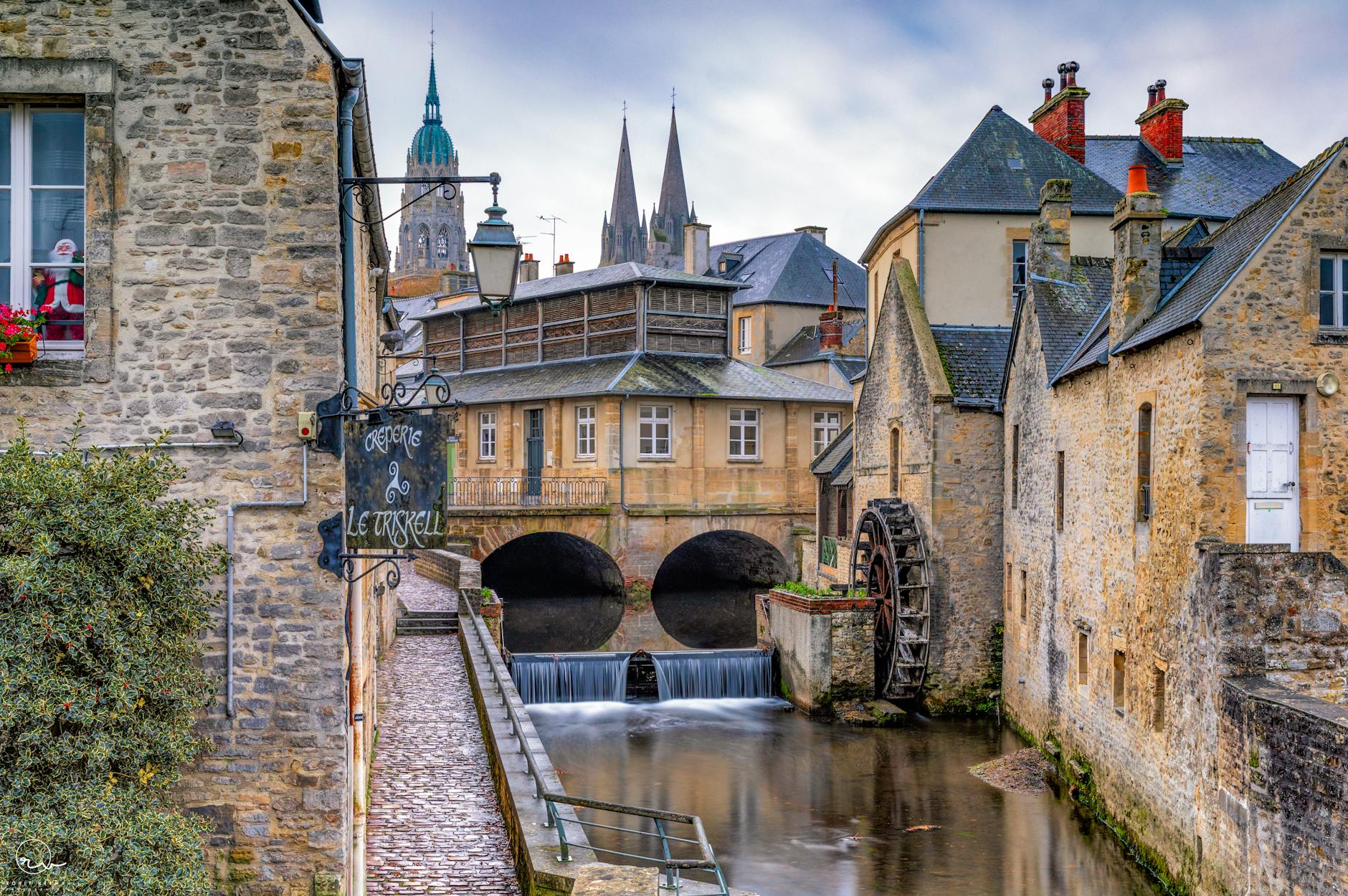
After the beaches, we visited the last site on our itinerary: Bayeux. Famous for its UNESCO-listed tapestry dating back to the 11th century, this charming town has its roots in Roman times and makes for a relaxing day trip from Caen.
Highlights include:
- Bayeux tapestry
- Bayeux Cathedral
- Botanical Gardens
Day 7: Caen > Nantes (3h)

Our return flight departed from Nantes, so the last day was spent almost entirely on the road. It meant good tunes, great chats, and the kind of scenery that makes even service station stops feel cinematic. And really, what more could you ask for?
I hope this 7-day itinerary has inspired you to pack your bags and set off to explore these three stunning French regions—full of charm, history, and hidden gems. Because between the coastal cliffs, cobbled streets, and stories etched into every corner, there’s so much here we should never forget.
 Life Lovers Magazine®