
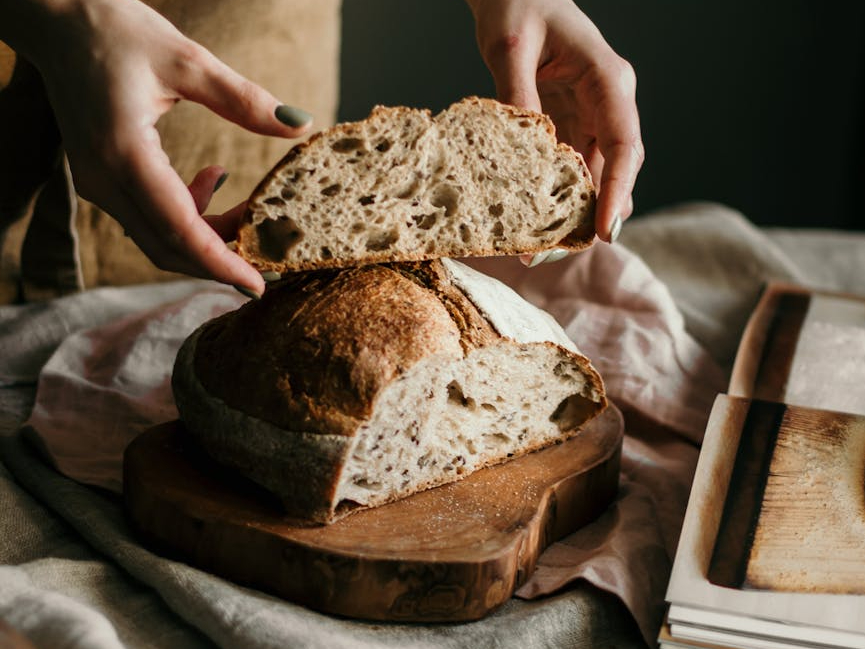
Hello, Life Lovers crew! March is here, and we all know what that means: International Women’s Day! So a big hug to all the women who read us, but March also means St Patrick’s Day. To commemorate this day, I bring you a recipe for a vegan version of the traditional Irish soda bread.
By Pat Aguilar

First, as always, a bit of history: St Patrick’s Day is celebrated to commemorate St Patrick, who is the patron saint of Ireland. He was born in Roman Britain but was brought to Ireland as a slave at the age of 16. He managed to escape, but then he came back to Ireland to teach Christianity to the people. One of the most well-known legends of St Patrick is that he used a shamrock to explain the Holy Trinity (the Father, Son and Holy Spirit), and that is how it became an Irish symbol. But there is another version of why the shamrock is an Irish symbol: according to Celts, the shamrock was connected to the goddess Ana, who was the goddess of nature, and it was believed that praying to her would result in a good harvest and good fortune. Since we are also celebrating International Women’s Day, I think I will prefer this explanation.
Why soda bread? The Irish were big on potato farming, but during the “Great Famine”, which was a period when they lost their potato farming due to infection of the potato crops, they became big on bread, especially soda bread, for the low cost of making it.
And now it’s cooking time!!
As I promised, here is the recipe for vegan soda bread:
Ingredients:
3 cups of spelt flour (you can use almond flour if you prefer)
¾ cup whole spelt flour or oat flour
1 ½ teaspoon baking soda
½ teaspoon salt (optional, omit if you prefer salt-free)
Vegan buttermilk:
2 tablespoons apple cider vinegar (or lemon juice or any vinegar)
1 ¾ cup + 2 tablespoons soy milk (or oat milk or almond milk)
To knead the bread: 4-6 tablespoons all-purpose flour

Instructions:
Preheat the oven to 430°F (220°C). Line a baking tray with a lightly greased piece of parchment paper. Set aside.
In a medium-size mixing bowl, whisk soy milk with apple cider vinegar. Set aside for 10 minutes until it thickens to a buttermilk-like consistency.
In another large mixing bowl, whisk together the two types of flour, baking soda, and salt.
Make a well in the centre and pour in the vegan buttermilk.
Stir the dough with a spatula at first. Then, when it becomes difficult to work the dough with the spatula, use your hands to knead the dough, adding more flour if needed to form a ball.
Knead the dough for 1 or 2 minutes maximum until you can make a ball. If the dough is very sticky, simply add white flour (up to a maximum of 1/3 cup) but be careful! You don’t want dry dough, or the Irish bread will be very dense and dry. A stickier dough results in moist, elastic bread, and that’s what you want.
Transfer the dough ball onto the prepared baking tray and flatten the dough into a thin disc of a maximum of 3 cm (1.5 inches) in height. This is extremely important, or the bread won’t rise at all.
Cut a deep cross (1 cm deep, 0.4 inches) on top of the bread and sprinkle/pat some extra spelt flour on top of the bread.
Bake at 220°C (430°F), middle rack, for 20-30 minutes or until the outside is crusty. Transfer to a cooling rack for 1 hour before slicing.
Store the bread at room temperature for up to 3-4 days, wrapped in a clean towel to keep its moisture.
It can be eaten plain or toasted with jam or mashed avocado. Or it can be served as a quick side to soup and salads.
Let me know how it goes. Remember, you can always tag us on social media and share your recipes.
See you soon!
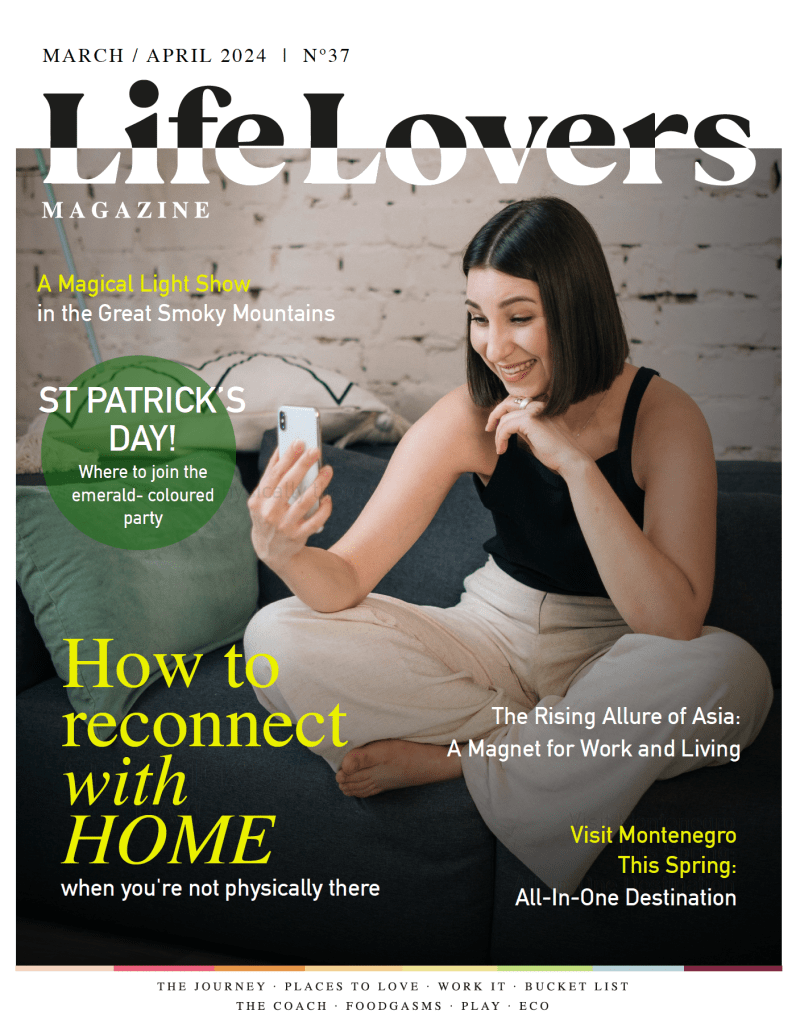
Get the magazine!
Enjoy this and other inspiring stories in “Embracing being homesick”.
March/April 2024 | Life Lovers Magazine.
 Life Lovers Magazine®