
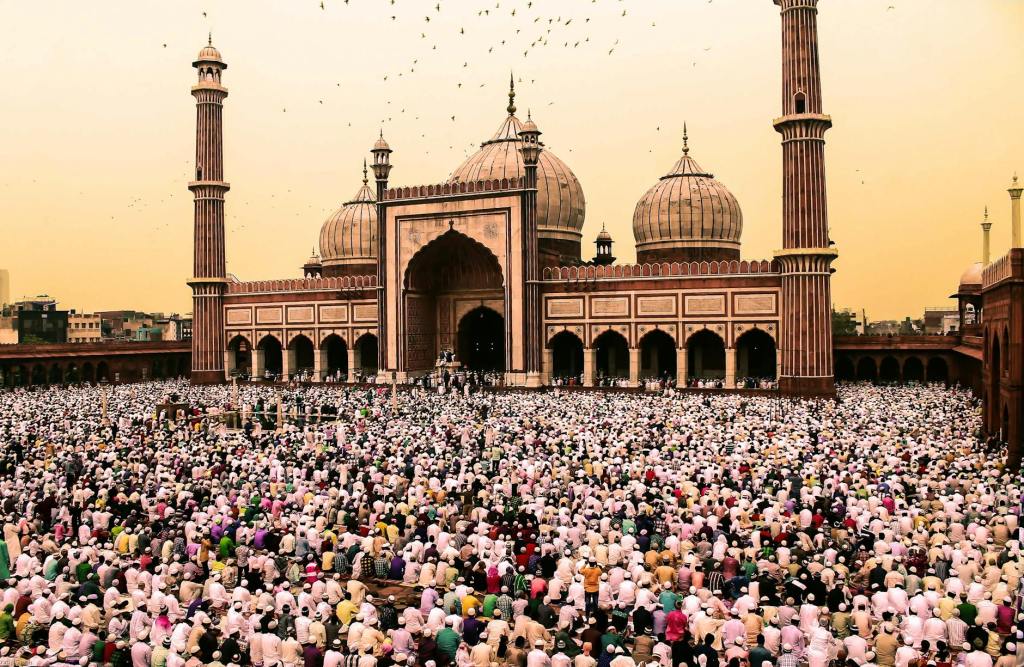
Have you ever thought about why Muslims celebrate Eid al-Fitr? Why do they fast the entire month of Ramadan? And why do Muslims love this month more than any other? Let’s get into the details about it in this article.
By Syeda Juveria Afreen | SJA
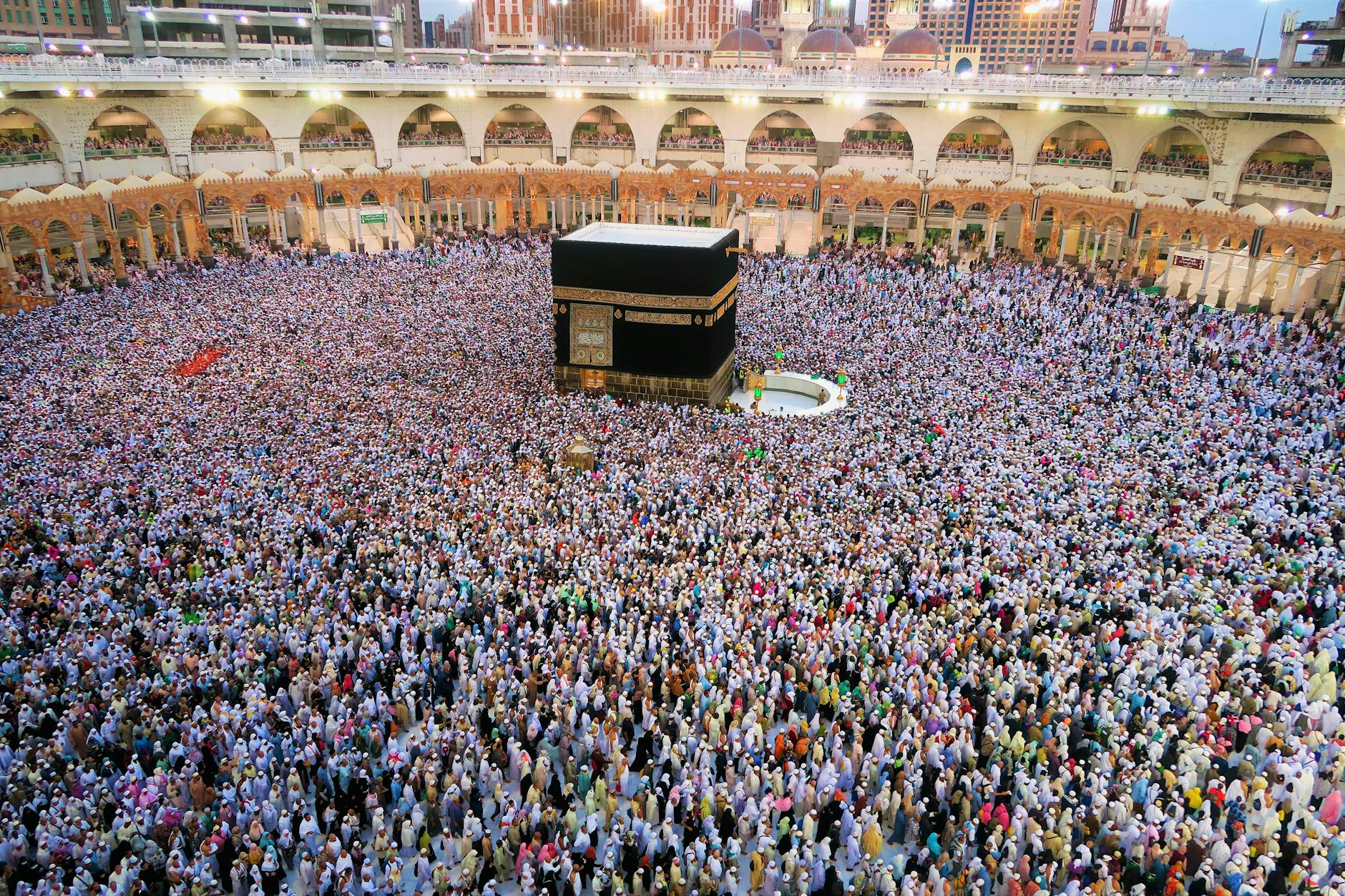
Embracing the Spirit of Ramadan
Eid al-Fitr, the festival marking the end of Ramadan, holds profound significance in the Islamic calendar. It is a time of joyous celebration, reflection, and spiritual renewal for Muslims around the world. As the crescent moon ushers in this auspicious occasion, families and communities come together to commemorate the end of a month-long journey of fasting, prayer, and self-discipline.
Understanding the Significance of Ramadan
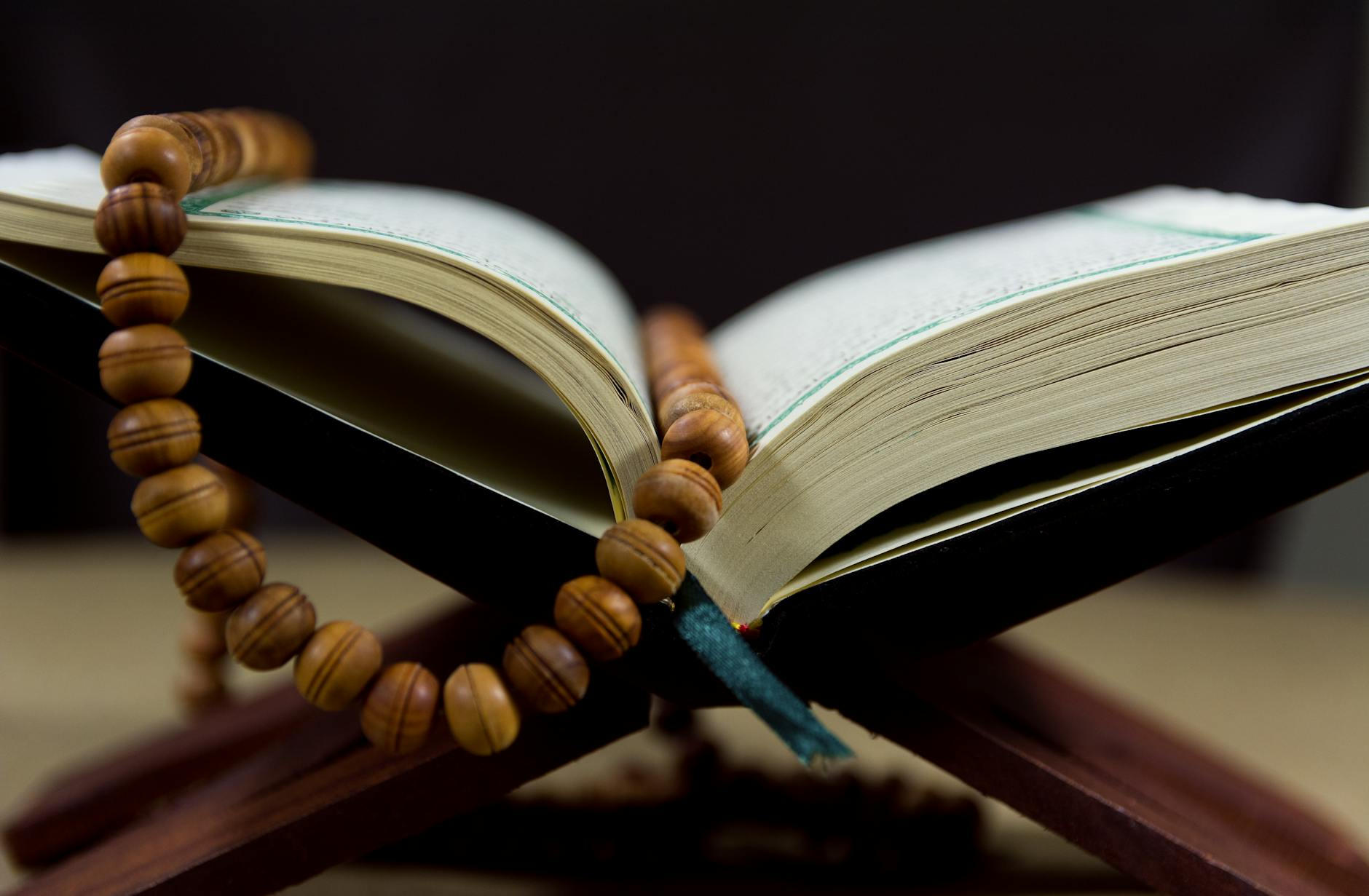
Ramadan is the ninth month of the Islamic lunar calendar and is considered the holiest month for Muslims. It commemorates the first revelation of the Quran to Prophet Muhammad (peace be upon him) and is a time of spiritual reflection, self-discipline, and increased devotion to Allah. Fasting during Ramadan is one of the Five Pillars of Islam and is obligatory for all adult Muslims, with exceptions for those who are ill, pregnant, nursing, traveling, or menstruating. The fast begins at dawn and ends at sunset, during which Muslims abstain from food, drink, smoking, and other physical needs
The Spiritual Significance of Fasting
The fast of Ramadan serves multiple purposes for Muslims. It is a means of spiritual purification, allowing believers to cleanse their souls, seek forgiveness for past sins, and draw closer to Allah. Fasting fosters self-discipline, empathy for the less fortunate, and gratitude for the blessings of life. It is also a reminder of the importance of patience, perseverance, and restraint in all aspects of life.
Communal Unity and Solidarity
Throughout Ramadan, Muslims come together in acts of worship, charity, and community service. The nightly Taraweeh prayers held in mosques bring congregants together in spiritual communion, while the practice of giving zakat (charity) ensures that the blessings of Ramadan extend to the less fortunate. The shared experience of fasting fosters a sense of unity, empathy, and solidarity among Muslims worldwide.
During the sacred month of Ramadan, the last 10 days hold particular significance in the hearts of Muslims. These days are a time of heightened devotion, as believers engage in increased acts of worship, reflection, and supplication. It is believed that the Night of Power, Laylat al-Qadr, falls within these last 10 days, with the 27th night being the most commonly observed date. Laylat al-Qadr is described in the Quran as “better than a thousand months” and is a night of immense blessings, forgiveness, and mercy from Allah. Muslims seek to maximize their worship during this auspicious night, engaging in prayer, recitation of the Quran, and seeking forgiveness for their sins.
The significance of Laylat al-Qadr is underscored by the importance placed on the 26th night of Ramadan as well. While the exact night of Laylat al-Qadr is not definitively known, many Muslims observe the 26th night with intense devotion and worship, in anticipation of the potential arrival of this blessed night.
Celebrating Eid al-Fitr
Eid al-Fitr, which translates to “Festival of Breaking the Fast,” marks the end of Ramadan and the beginning of Shawwal, the tenth month of the Islamic calendar. It is celebrated on the first day of Shawwal, following the sighting of the new moon. Eid al-Fitr is a day of joy, gratitude, and celebration, as Muslims gather for special prayers, festive meals, and social gatherings with family and friends.
The Symbolism of Eid al-Fitr
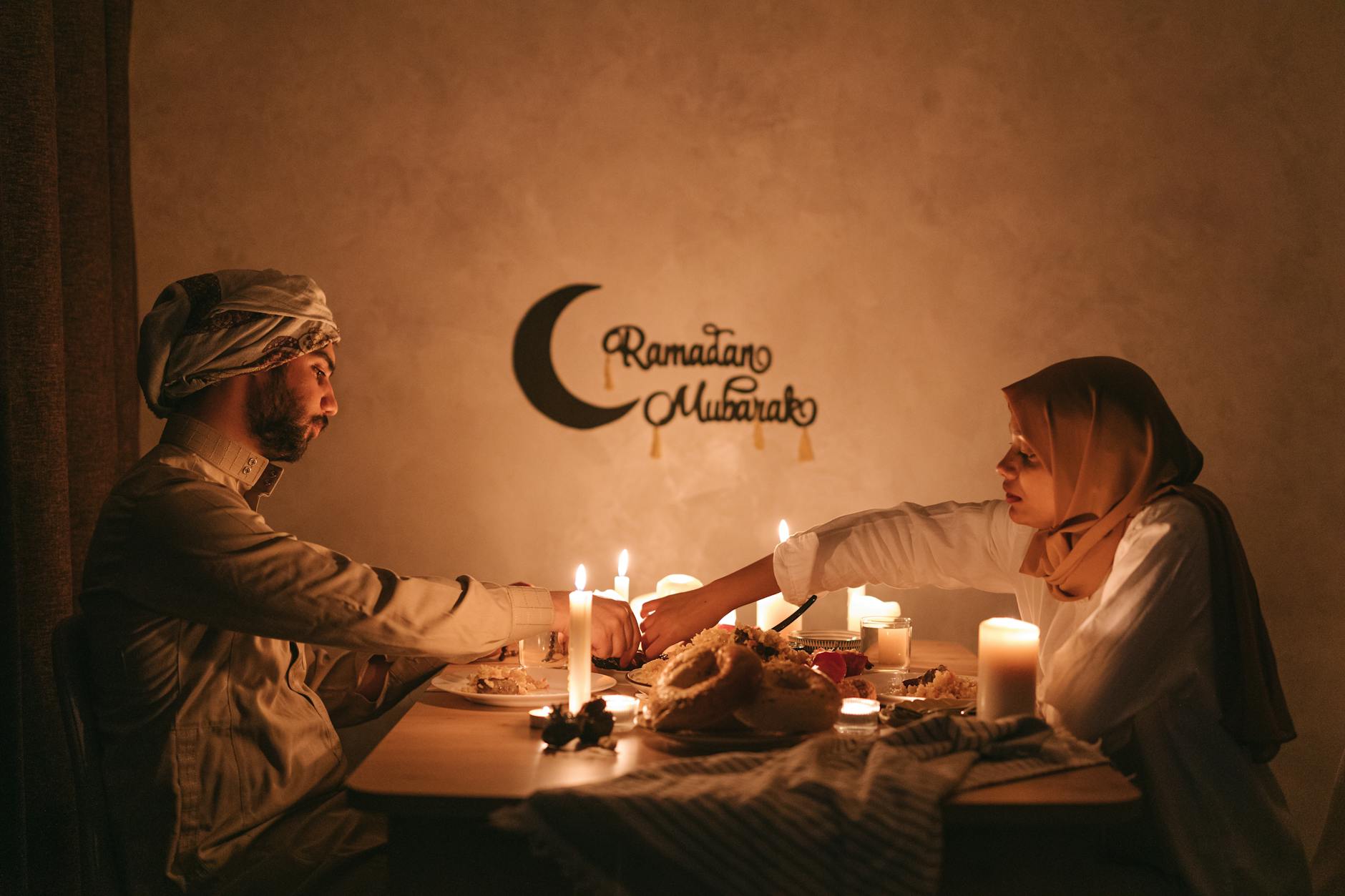
Eid al-Fitr symbolizes the completion of a month-long journey of spiritual growth and self-renewal. It is a time to express gratitude for the blessings of Ramadan and to seek forgiveness for any shortcomings. The festive atmosphere of Eid reflects the joy and relief of breaking the fast after a month of self-discipline and devotion.
On Eid al-Fitr, Muslims indulge in delightful traditions that add to the festive spirit of the occasion. Families savor sheer khorma, a delectable dish made with milk and vermicelli, as a traditional Eid breakfast. Elders generously give money, known as Eidi, to children, spreading joy and happiness. Furthermore, all Muslims adorn themselves in new clothes, symbolizing renewal and the joy of the celebration.
Conclusion: A Time for Reflection and Renewal
Additionally, Eid is celebrated with lavish feasts and parties, where family and friends come together to share in the blessings of the day.
May this Eid bring blessings, peace, and joy to all those who celebrate it, and may it serve as a reminder of the importance of unity, solidarity, and mutual respect in our diverse and interconnected world. Eid Mubarak!
About the Author
Hi, I’m SJA, Co-founder & CTO at Apex Games, Content Writer at Life Lovers Magazine, Pursuing Passion ME Robotics from Stevens Institute of Technology. Join me on LinkedIn (@sja-thedude) to explore more about my journey and discover motivational content.
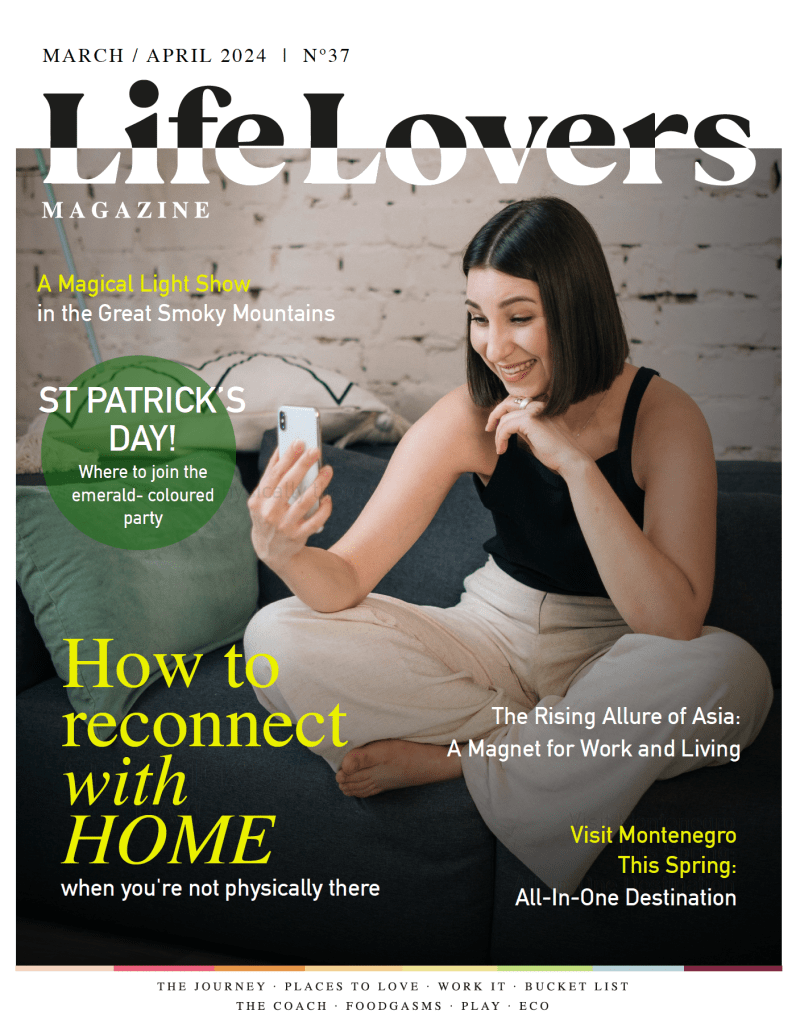
Get the magazine!
Enjoy this and other inspiring stories in “Embracing being homesick”.
March/April 2024 | Life Lovers Magazine.
 Life Lovers Magazine®