
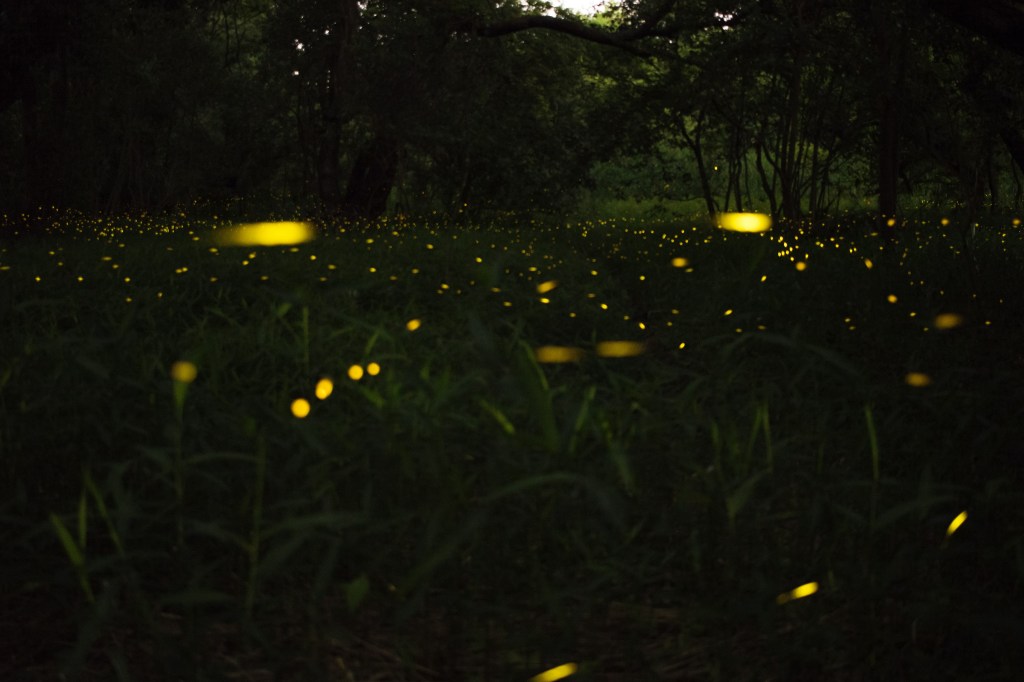
Deep in the heart of the Smoky Mountains, an increasingly rare event happens every year in the late spring: a synchronous symphony of fireflies witnessed by the lucky few who make the effort to attend the show. Let me show you why this display of synchronized lights is so special and why it should be on your bucket list this year.
By Micah Naeger
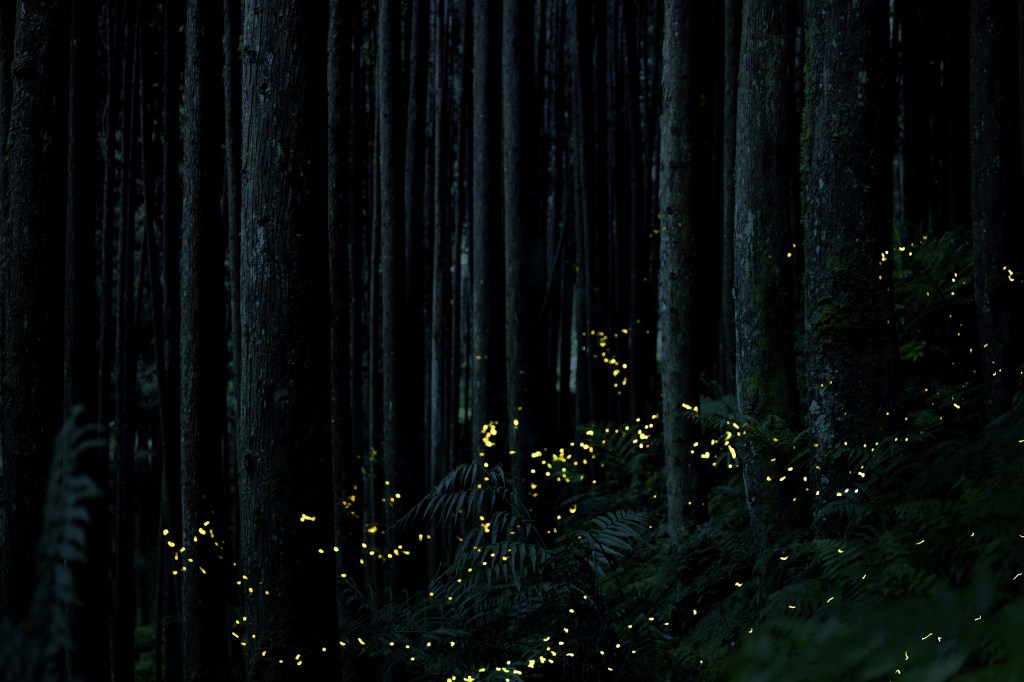
We sat in near-total darkness, waiting in hushed anticipation. Hundreds of us were huddled in the dense forest of the eastern Tennessee Smoky Mountains of the United States with hardly a whisper to be heard. I didn’t know such a crowd could be so silent. Even the many children present barely made a sound.
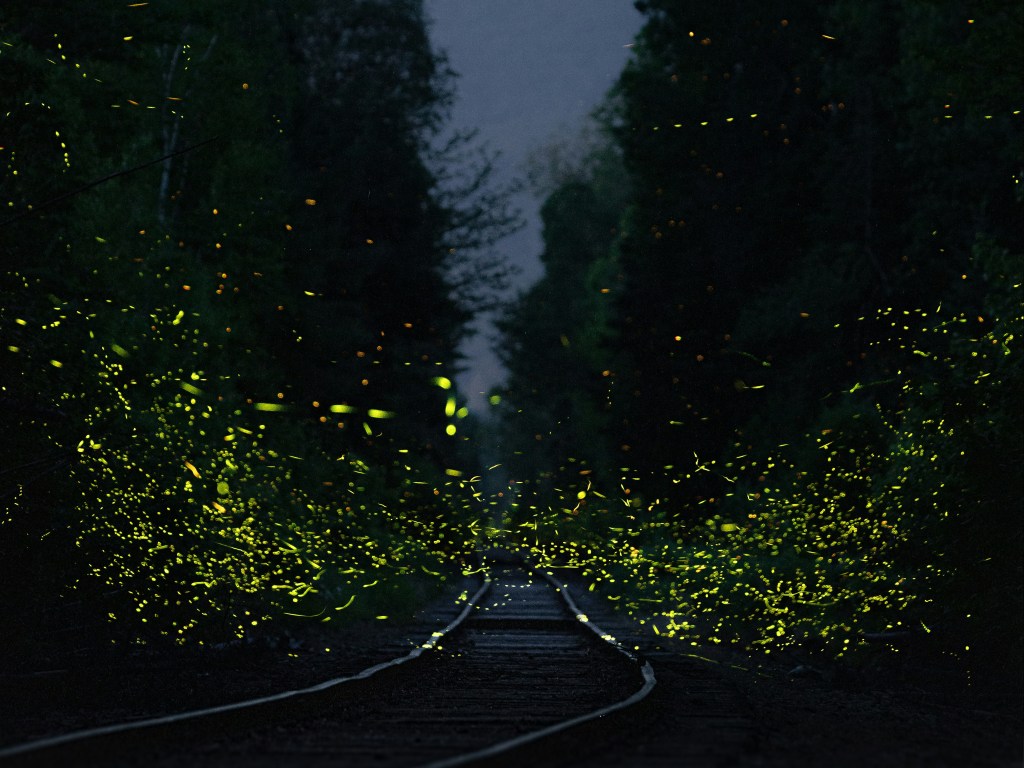
It started gradually. A few flashes here and there in the underbrush. Then darkness. We waited to see what would happen next. This time more flashes appeared, eerily green and subtle at first. Then, as if a switch had been flipped, they all stopped at once. This pattern continued: all of the lights flashed in harmony, then all of the lights ceased. Again and again.
We were witnessing a magical event that only happens for a few weeks out of every year in these specific mountains. In late May and early June, the synchronous fireflies put on their ethereal light show for hundreds of spectators who crowd along wooded pathways in the Great Smoky Mountains.
According to the National Park Service, these fireflies are one of only a couple of species in the United States that synchronize their light display. So, I can definitely say I feel special to have had the honor of witnessing such a rare sight.
What makes it even more special, perhaps, is the fact that we almost didn’t even go. My family and I were traveling across Appalachia toward the eastern U.S. coast, stopping along the way at Great Smoky Mountains National Park and Shenandoah National Park before ending up on Assateague Island, where wild horses roam on the beach (another amazing experience that will have to wait to be told).
When we arrived at our Great Smokies destination, we learned that we were not only too early for the peak firefly viewing, but we were also too late to enter the lottery which allows you the chance to view the fireflies at all. Luckily for us, though, fireflies don’t follow human calendars, and after doing some sleuthing, we found out that it was indeed possible to still see this magical nighttime spectacle. Although the park limits vehicle entries during the two-week peak, if you happen to be there either right before or after the peak, you can very easily just enter the parking lots at dusk and the very nice rangers will give you advice on the best spots to go for viewing. No lottery ticket required!
So we gathered up our camping chairs and blanket, covered our flashlights with red paper to preserve our night vision and to prevent too much bright light from polluting the dark forest, and scoped out a spot near a small stone bridge crossing over a bubbling stream. Then we waited for dusk to turn into darkness. More and more people trickled in and settled themselves up and down the path until there was hardly an empty spot left.
Despite the multitude, however, we didn’t really feel crowded. Everyone was very respectful of each other’s spaces, and most importantly, everyone remained amazingly quiet.
There is something special about getting to experience such an event with so many other people, knowing that—despite being in the same place at the same time—everyone will go home with their own personal version in their memory.
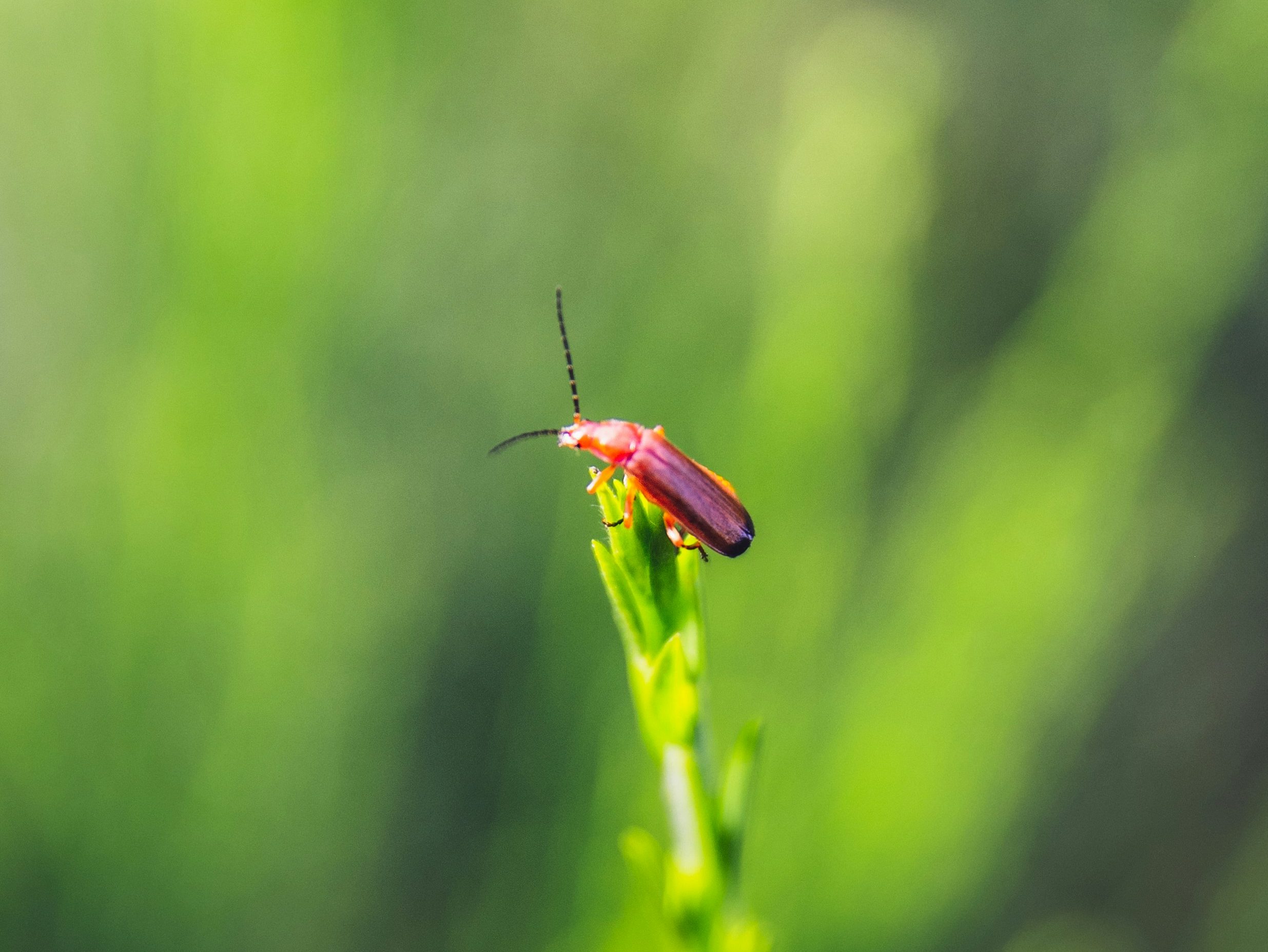
Synchronous fireflies are only one of at least nineteen species of fireflies that live in the park’s mountains. Almost as fascinating are the rare blue ghost fireflies—which I’m convinced are actually fairies in disguise. Their ethereal bluish glow can last for up to a minute as they fly through the forest undergrowth. It was like finding a hidden treasure when we saw one light up amid the more flashy fireflies.
If you are considering trying to see these beautiful beetles, do not hesitate. It is an experience that truly cannot be described adequately in words and must be witnessed to fully understand its magic. If you want to enter the vehicle lottery for the peak viewing time, you will have to watch the National Park Service website for updates in the spring (generally April).
If you are lucky enough to get a vehicle pass during peak viewing times, congratulations! But if you are not able to get a pass, don’t give up, because it is still possible to see thousands of rare twinkling fireflies in the dark forests of Tennessee. And it is 100 percent worth it.
And even if you never get the chance to see synchronous fireflies in person, it is likely that you have fireflies in your own backyard that are just as beautiful and need your protection. Personally, I have many fond memories of watching and catching fireflies during the summer, putting them in a clear Mason jar with holes poked in the top for air, then releasing them at the end of the night.
There are over 2,000 firefly species across the globe, with 200 in the United States alone. Sadly, firefly habitats are declining throughout the world, mostly due to human activities.
Seven easy things you can do to help fireflies
So what can you do to help preserve these precious habitats? The National Recreation and Park Association has a wonderful list of seven easy things you can do to help fireflies (as well as other insects and birds). These include:
- Turning off the lights.
- Avoiding using pesticides or chemical fertilizers.
- Cutting down on mowing.
- Planting native.
- Protecting marshes and wetlands.
- Leaving the leaves.
- Hosting a Parks for Pollinators BioBlitz.
We all have the ability to effect change to help preserve native species.
And you? Do fireflies live where you live?
Don’t forget that by taking a few simple steps, you can help preserve their magic for future generations. And if you get the opportunity to see synchronous fireflies in the Great Smokies, take it. I know I would do it again in a heartbeat if given another chance.
About the author:

Hi! I’m Micah Naeger, Head Blue-penciler (proofreader) for Life Lovers Magazine. My interests include geography, anthropology, travel, photography, hiking, and collecting vintage globes, but mostly I love taking long trips with my family in our popup camper. I would love to connect with travel writers on LinkedIn!

Get the magazine!
Enjoy this and other inspiring stories in “Embracing being homesick”.
March/April 2024 | Life Lovers Magazine.

