
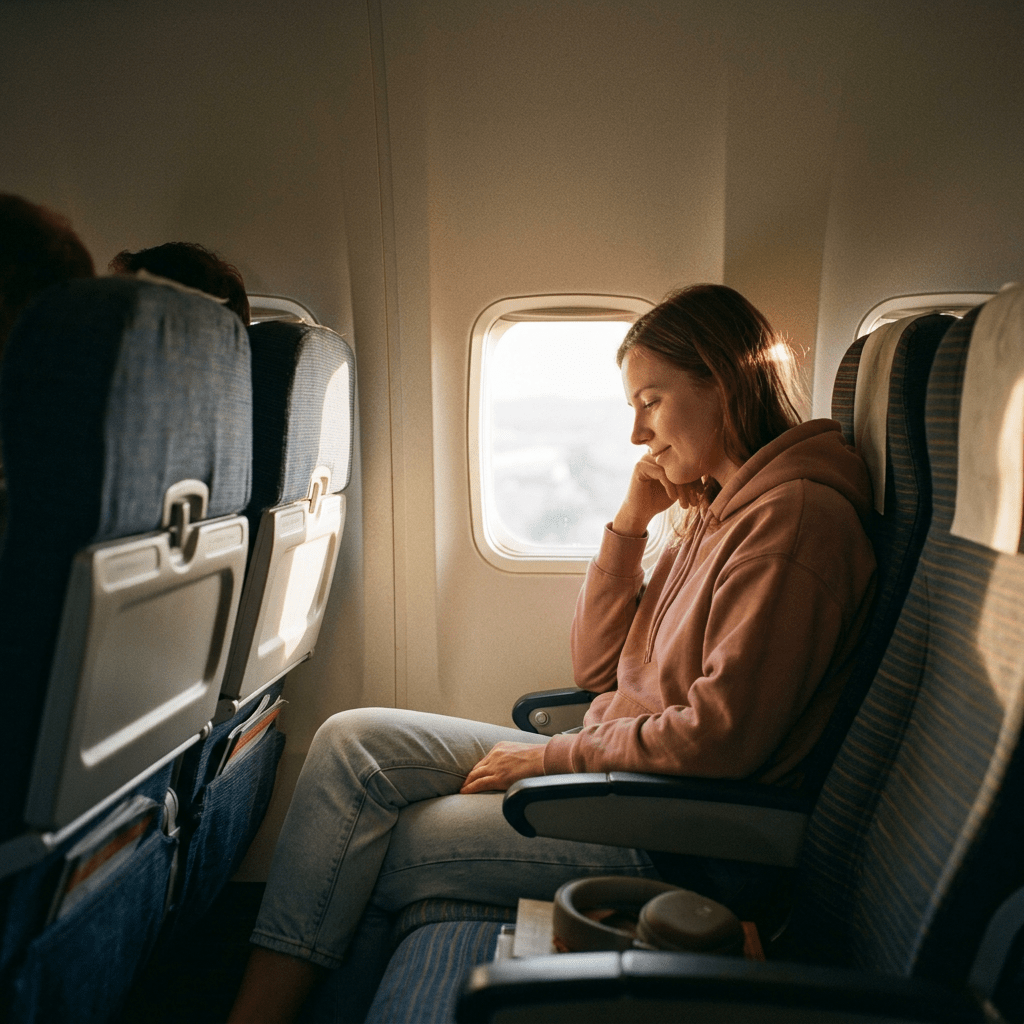
Sometimes, the hardest chapters in life quietly reshape what we need most. For more women navigating grief, divorce, burnout, or reinvention, travel is becoming an important pathway to healing.
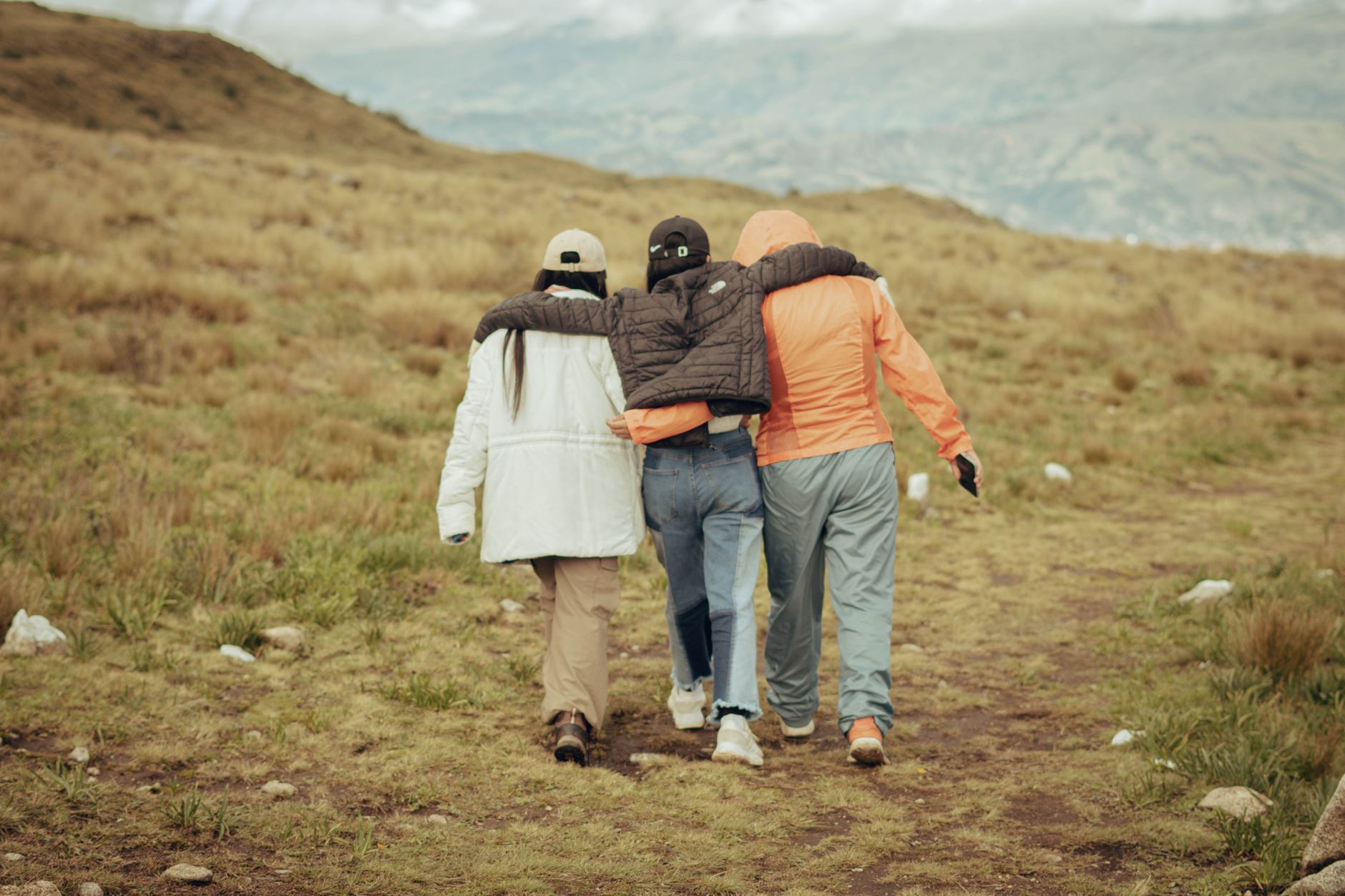
For decades, holidays were framed as indulgence: a chance to relax, unplug, or escape daily stress. But a growing movement among women is reshaping the role travel plays in emotional well-being. Today, more women navigating grief, divorce, burnout, retirement, career upheaval, or profound personal loss are turning to what experts and travel insiders are calling intentional travel, journeys designed not simply to see a new place, but to process change, reconnect with themselves, and heal.
As Mental Health Awareness Month spotlighting emotional well-being, the shift feels especially timely. According to the American Psychological Association, immersive experiences and changes in environment can support emotional processing and reduce stress. Online behaviour reflects this cultural movement as well, with growing interest around search terms like “healing retreats,” “solo travel after divorce,” and “grief travel.”
The appeal is understandable. During periods of upheaval, everyday environments can become emotional minefields, filled with routines, memories, and reminders of what has been lost. Sometimes, healing begins with changing the scenery.
“Travel can act as a reset,” says Doni Belau, award-winning travel expert and founder of Girls’ Guide to the World, a company specializing in curated small-group travel experiences for women. “You’re stepping outside of your everyday environment and the reminders of your loss and seeing life with a fresh set of eyes.”
But the power of intentional travel extends far beyond beautiful landscapes or luxury accommodations. What many women are seeking is something deeper: connection.
“There’s inevitably a moment when you find yourself laughing again,” Belau says. “You appreciate beauty differently. It can feel bittersweet at times, but it can also profoundly shift your perspective.”
She recalls one woman who joined a writing retreat just months after losing her husband. During the trip, participants opened up about their own struggles and heartbreaks, creating space for honesty and vulnerability.
“After hearing everyone share,” Belau remembers, “she said, ‘Now I know it’s going to be okay.’”
Moments like these reveal why traditional holidays often fall short during periods of emotional hardship. While poolside cocktails and sightseeing can offer temporary distraction, intentional travel asks something different of us: presence.
Rather than racing through bucket-list itineraries or checking landmarks off a list, travellers are increasingly seeking experiences that foster introspection, meaningful connection, and emotional renewal.
Belau believes the trend accelerated following the pandemic.
“Most of us remember what it felt like to be trapped inside and waiting for life to happen to us,” she says. “People want their journeys to affect them more deeply now. They want to connect, to themselves, to others, and to the cultures they’re visiting.”
That desire for depth is changing how women travel. Solo travel, once associated with independence or adventure, is increasingly being reframed as an act of restoration. Women are choosing thoughtfully curated group trips where they can experience the freedom of travelling alone without the isolation that often comes with it.
And the science behind human connection supports why these experiences can be transformative.
Isolation is often one of the quietest and most painful side effects of grief, anxiety, and major life change. Shared experiences, especially among people navigating similar emotional terrain, can lessen feelings of loneliness and restore a sense of possibility.
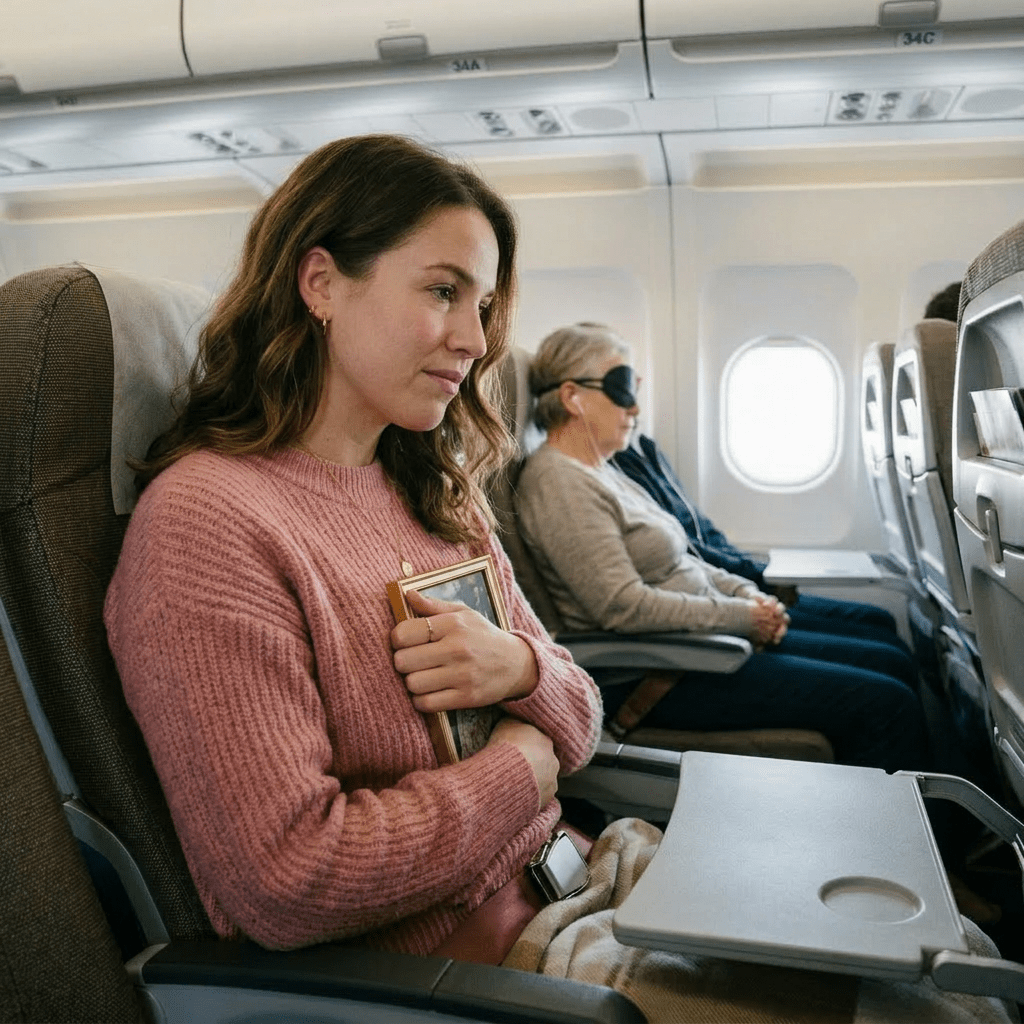
“When something goes wrong in our lives, or we’re struggling with depression, anxiety, or loss, putting ourselves back out there and connecting with like-minded women can truly support emotional healing,” says Belau. “No one can fix your problems, but they can sit beside you, listen, laugh, cry, and share their own experiences. That connection reminds us we’re not alone.”
For many women, that feeling of being seen is transformative.
Belau recalls another traveller who signed up for her first solo group trip last Christmas after years of staying home following a painful loss.
“She hadn’t traveled in nearly 20 years,” Belau says. “She wanted to test herself, so she chose one of our more local trips.”
What she found surprised her.
“The connection she experienced with her new ‘travel sisters’ brought joy and confidence back into her life,” Belau explains. “She’s since signed up for six more trips this year. She feels like she’s gotten her life back.”
Of course, travel is not therapy, nor is it a cure for grief. Loss still comes along for the journey. Sadness can surface unexpectedly in beautiful places. But for many women, stepping into the unfamiliar creates just enough distance from pain to begin seeing themselves, and their futures, differently.
Perhaps that’s the real promise of intentional travel: not escape, but rediscovery.
In the wake of loss, change, or uncertainty, women aren’t necessarily looking to become someone new. They’re simply trying to remember who they are again.
And sometimes, healing begins with saying yes to the journey.
Doni Belau is an award-winning go-to travel expert and founder of Girls Guide to the World. Doni splits her time between New Orleans, her two residences in France (Paris & Bordeaux’s French Countryside along the Dordogne River) and her sailboat named Relish.
About Girls’ Guide to the World

Girls’ Guide to the World is a premier women-only travel company dedicated to providing exceptional travel experiences for women of all ages and backgrounds. Founded by award-winning travel expert Doni Belau, the company specializes in small-group trips that offer a perfect blend of luxury, adventure, and cultural immersion. From trekking with Gorillas in Rwanda to temple touring in Bali, Girls’ Guide to the World curates over 80 unique trips annually, ensuring each journey is an unforgettable experience. With a focus on gourmet dining, boutique accommodations, and off-the-beaten-path adventures, Girls’ Guide to the World creates opportunities for women to connect, explore, and enjoy the beauty of the world together. Girls’ Guide to the World is more than a travel company—it’s a global sisterhood. For more information, visit http://www.girlsguidetotheworld.com.

