
By Sam Oakley
There are certain things you begin to notice when you travel regularly. The way locals order their morning coffee, the shoes that appear on every other pavement, the particular rhythm of a city at lunchtime, and the woman sitting at the next table in a hotel bar who looks suspiciously polished despite having clearly spent the previous six hours on a plane. Then there are the handbags. On today’s cultural pick-ups around the world, one detail keeps appearing with remarkable consistency: French luxury bags seem to have acquired a passport of their own.
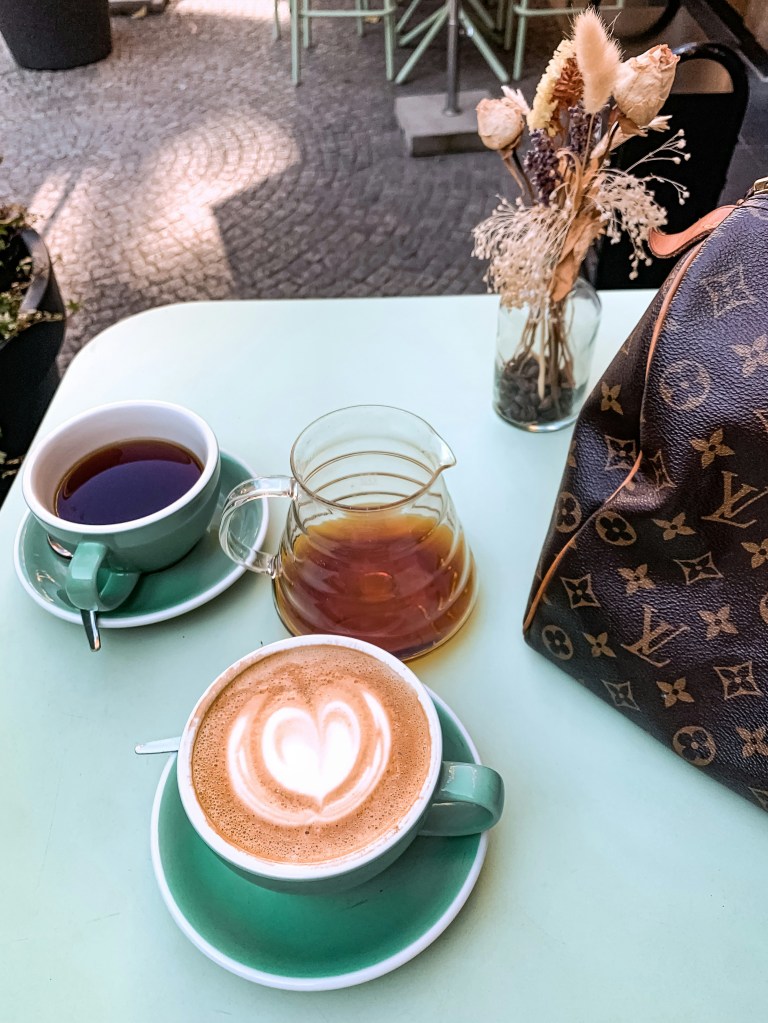
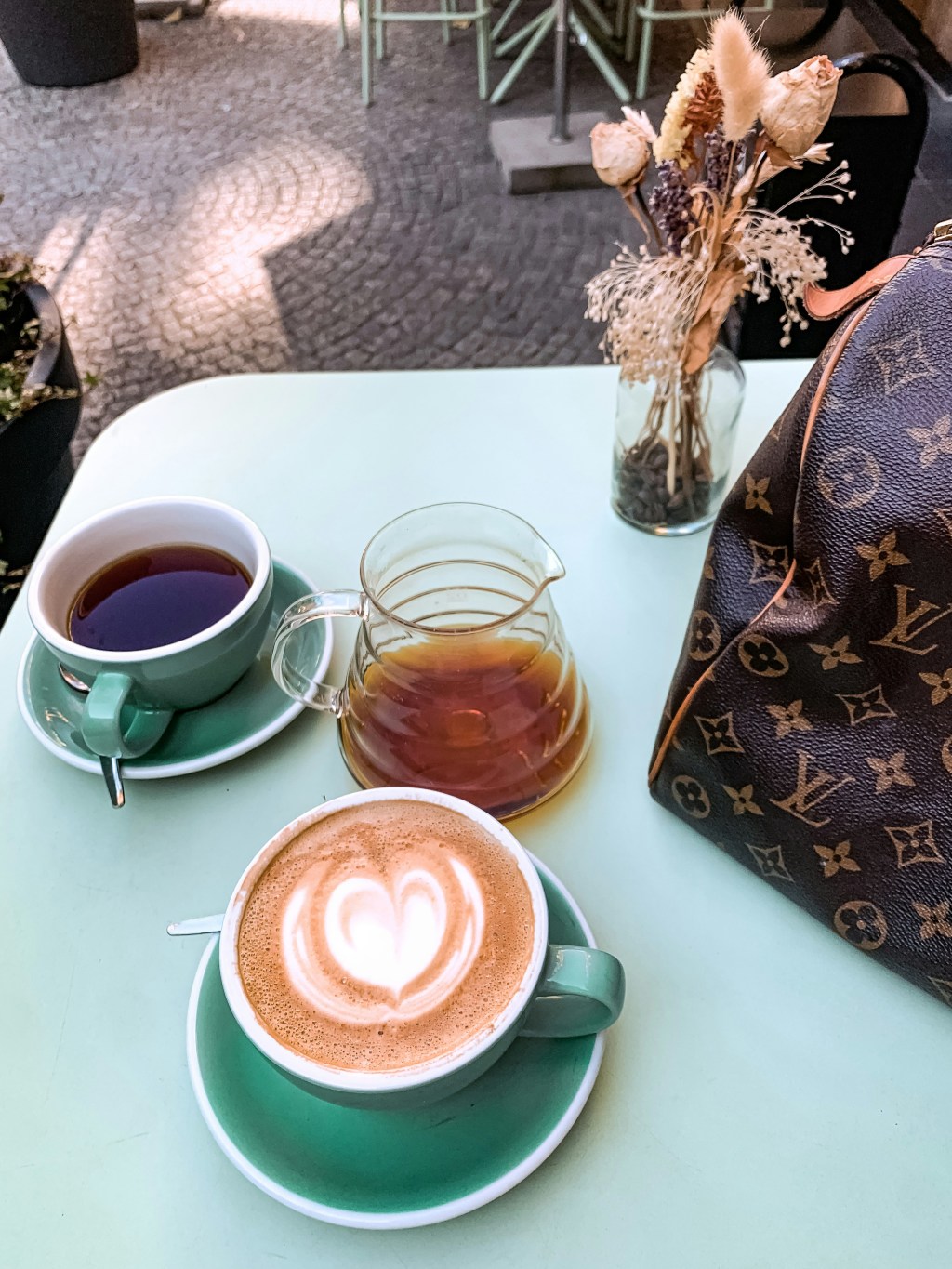
From the streets of Paris to the arrivals halls of international airports, from Mediterranean restaurants to discreet hotel lounges, these bags appear everywhere. They are carried with jeans and trainers, tailored jackets and dresses, by women rushing between meetings and women who appear to have nowhere particularly urgent to be. You see them in Tokyo, London, New York, Milan and, naturally, Paris, where a beautifully worn leather bag can look almost as much a part of the landscape as a café terrace or a woman refusing to hurry her espresso.
It is tempting to dismiss this as another example of luxury fashion’s ability to convince us that we need something we have managed perfectly well without until now. After all, fashion has a habit of declaring something essential one minute and deeply questionable the next. We have all owned something that seemed like a brilliant idea at the time, only to discover a year later that it makes us look as though we lost a bet. A genuinely well-made handbag, however, tends to operate according to rather different rules.
Its appeal isn’t necessarily that it belongs to this season. In fact, the most enduring designs seem almost completely uninterested in what happens to be fashionable this month. Their value comes from the fact that they can accompany a woman through changing wardrobes, changing cities and changing stages of life without suddenly looking as though they have been trapped in a particular year.
A Bag That Travels Well
Perhaps the easiest place to understand the fascination is on the road. Travel has a habit of stripping away the fantasy surrounding possessions and revealing what is actually useful. Something might look wonderful on a carefully arranged shelf at home, but after a day of navigating train stations, pavements, airport security and an unfamiliar city, practicality becomes considerably more attractive.
This is where a well-designed handbag earns its keep. The best examples are not simply objects created to sit beautifully on a café table while someone photographs their lunch. They are made to be carried, opened, closed, placed on chairs, moved between shoulders and packed alongside the slightly chaotic collection of things that somehow accumulates during a day away from home.
A good bag can move from a morning meeting to an afternoon gallery visit and then to dinner without requiring an entirely new outfit. A classic silhouette in black, brown, cream or another restrained shade can sit comfortably beside tailoring, denim, knitwear or an evening dress. Add a coat and a scarf, change the shoes, and the same bag can take on an entirely different character.
For women in their thirties, that adaptability can be particularly appealing. Life rarely divides itself neatly into separate wardrobes any more. A business trip might become a weekend in another city. A city break might involve a museum in the morning, a long lunch in the afternoon and a restaurant reservation in the evening. There are flights to catch, trains to run for and, occasionally, the slightly ambitious decision to walk everywhere because it is apparently the best way to experience a city. A bag that can keep up is worth something.
The French Approach to Craftsmanship
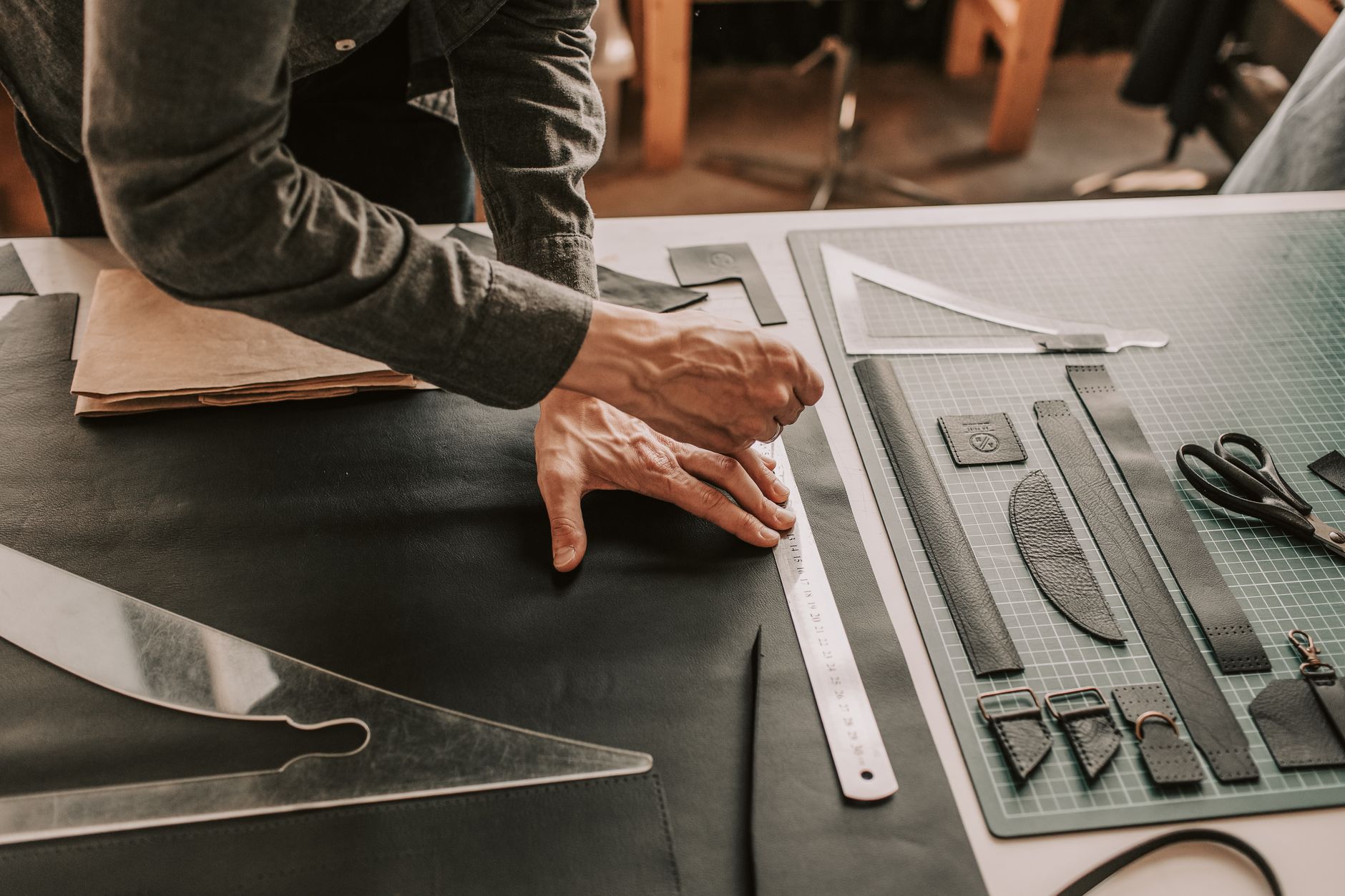
Much of the enduring reputation of French luxury comes down to craftsmanship, although craftsmanship is not always the most glamorous word in fashion. It suggests someone paying very close attention to a detail that most of us would never notice until several years later.
French luxury houses have historically placed considerable emphasis on leather selection, construction, finishing and hand-finished techniques. Reinforced stitching at points of stress, carefully constructed edges, durable hardware and materials chosen for how they develop with age rather than simply how they look on the day of purchase all contribute to longevity.
That difference can be surprisingly apparent after years of use. A cheaper bag may look impressive when new but begin to lose its shape, develop worn corners or show tired hardware after repeated journeys. A well-made piece, meanwhile, can acquire something more interesting: character. The leather softens, the handle becomes familiar in the hand and the occasional signs of travel begin to tell a story rather than simply announce wear and tear.
There is something rather romantic about that. The best luxury bags aren’t necessarily those that remain untouched. They are the ones that become associated with places and moments.
The bag that went to Paris for the first time. The one carried through a rainy weekend in Edinburgh. The one that survived a summer of travelling around Italy. The one that sat under an aeroplane seat, accompanied its owner to countless dinners and somehow remained a favourite years later. A wardrobe can hold memories in unexpected places.
“There is room for a little attitude”
When Design Becomes a Signature
Another reason certain French handbags remain recognisable for decades is the strength of their design language. A particular clasp, stitching pattern, silhouette, material or piece of hardware can become so closely associated with a fashion house that it needs very little explanation.
This is where timeless design becomes different from simply conservative design. A timeless bag doesn’t have to be plain. It can have personality, distinctive proportions or unmistakable detailing without becoming imprisoned by a particular fashion moment.
Some classic silhouettes have remained recognisable across generations precisely because their essential shape has not needed constant reinvention. Instead, details may evolve while the underlying design language remains familiar. That consistency gives a bag an identity beyond a seasonal collection.
French labels such as Zadig&Voltaire bring a more contemporary interpretation to this idea, combining recognisable French design sensibility with a modern, slightly rebellious edge. It is a useful reminder that “timeless” does not have to mean traditional, beige or remotely interested in behaving itself. There is room for a little attitude.
The Luxury of Function
For all the romance surrounding handbags, eventually someone has to put something inside one. This is where the less glamorous details suddenly become important.
A thoughtfully designed interior can make a remarkable difference when travelling. Pockets that actually fit a phone, passport or cardholder are considerably more useful than one enormous compartment in which everything disappears into an abyss. Adjustable straps can make a bag work as a shoulder or crossbody piece, depending on whether the day involves a leisurely lunch or several hours of walking.
Durable lining, sensible hardware placement and construction that can withstand everyday use may not make for the most exciting fashion copy, but they are often the details that determine whether a bag becomes a favourite or remains permanently stored in its dust bag.
Nobody dreams of reinforced stitching while booking a weekend in Rome. After walking around Rome for eight hours, however, you may find yourself developing surprisingly strong opinions about it. That is the difference between something designed only to look good and something designed to become part of everyday life.
Why the Counterfeit Market Matters
The global fascination with luxury handbags also has a less glamorous counterpart: the enormous counterfeit market surrounding them. The more recognisable and desirable a design becomes, the greater the incentive to reproduce it cheaply and sell it as the real thing.
According to a Department of Homeland Security report on combating trafficking in counterfeit goods, handbags and wallets represent nearly 11 percent of all counterfeit seizures in the U.S, placing them among the significant categories of goods intercepted by authorities.
It is an interesting statistic because it demonstrates just how far the influence of luxury handbags extends beyond fashion itself. These are not simply accessories that appear on runways and in glossy magazines. They have become internationally recognisable cultural objects, carrying associations of craftsmanship, status, design heritage and, in some cases, considerable resale demand.
For travellers and shoppers, authenticity therefore matters. Buying through reputable retailers or established sources isn’t simply about protecting the label. It is about knowing what you are actually purchasing and ensuring that the craftsmanship, provenance and materials match the reputation attached to the piece.
The romantic fantasy of stumbling across a suspiciously cheap designer handbag in a mysterious shop while travelling may sound like the beginning of a wonderful story. It could also be the beginning of a rather expensive lesson.
More Than a Fashion Investment
The resale market has further strengthened the idea that certain luxury handbags can occupy an unusual position between fashion and considered purchase. Unlike many accessories that lose much of their value almost immediately, some established designs retain significant demand on the secondary market, particularly when they are well maintained and remain desirable.
That doesn’t mean every luxury bag is a financial investment, nor should it be treated as one. Fashion is unpredictable, and resale values can change with trends, condition, rarity and demand. But the fact that certain bags remain desirable years after their original release says something about their underlying appeal.
Perhaps the more meaningful investment is the one that happens inside a wardrobe.
There is value in owning fewer things that you genuinely use. There is value in reaching for the same bag year after year because it still feels right. There is value in not needing to replace something simply because the fashion cycle has decided that your previous purchase is now terribly last season. And there is something particularly satisfying about finding an object that grows more personal with time.
“And years from now, rather than wondering whether it is still ‘in’, you may simply pick it up and head out the door. Which, when you think about it, is probably the better definition of timeless style“
The French Secret May Simply Be Longevity
Perhaps the reason French luxury bags continue to appear everywhere is not particularly mysterious. They combine craftsmanship, recognisable design and versatility in a way that allows them to move comfortably through different wardrobes and different lives.
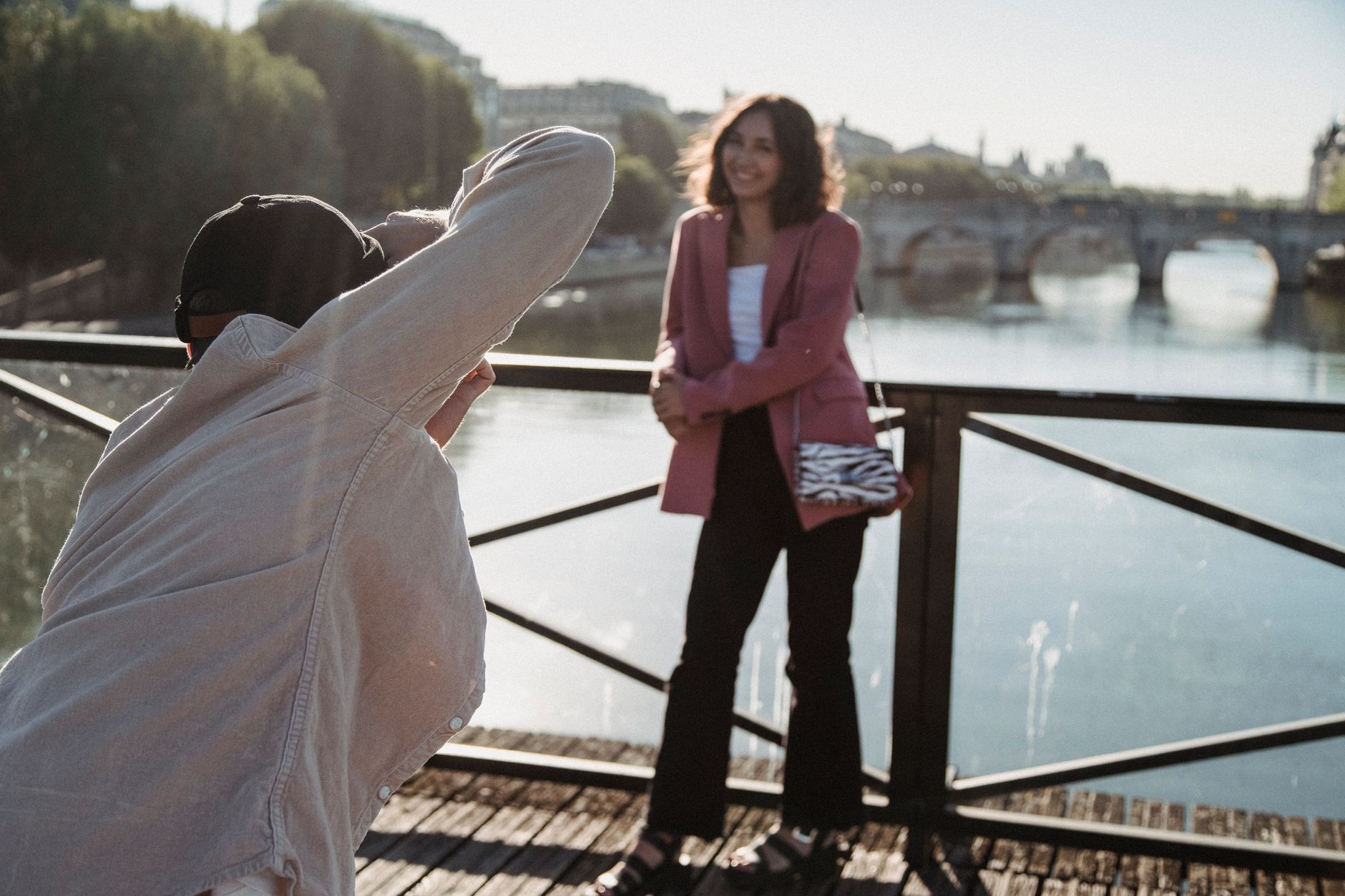
Travel makes that longevity especially visible. Fashion can look very different from one city to another, but a beautifully constructed bag seems to cross those boundaries with remarkable ease. It can accompany a woman through the streets of Paris, onto a train in London, through an airport in New York or into a late dinner in Barcelona without looking as though it has taken a wrong turn.
That is quite an achievement for something that spends most of its life hanging from someone’s shoulder. Perhaps that is also why the most memorable luxury bags are rarely the ones that look completely untouched. A little softness in the leather, a few signs of use and the faint evidence of a life lived can make them more interesting, not less. Because ultimately, timelessness isn’t about remaining frozen in time. It is about continuing to make sense as time moves around you.
Trends will come and go, as they always do. There will be new colours, new shapes and new “must-have” accessories that we are assured we cannot possibly live without. There will probably also be another tiny handbag soon, one apparently designed to hold a credit card, a lipstick and absolutely no practical thoughts whatsoever.
The classic French handbag will simply carry on. It will travel, age, acquire memories and move quietly between seasons. And years from now, rather than wondering whether it is still “in”, you may simply pick it up and head out the door. Which, when you think about it, is probably the better definition of timeless style.

