

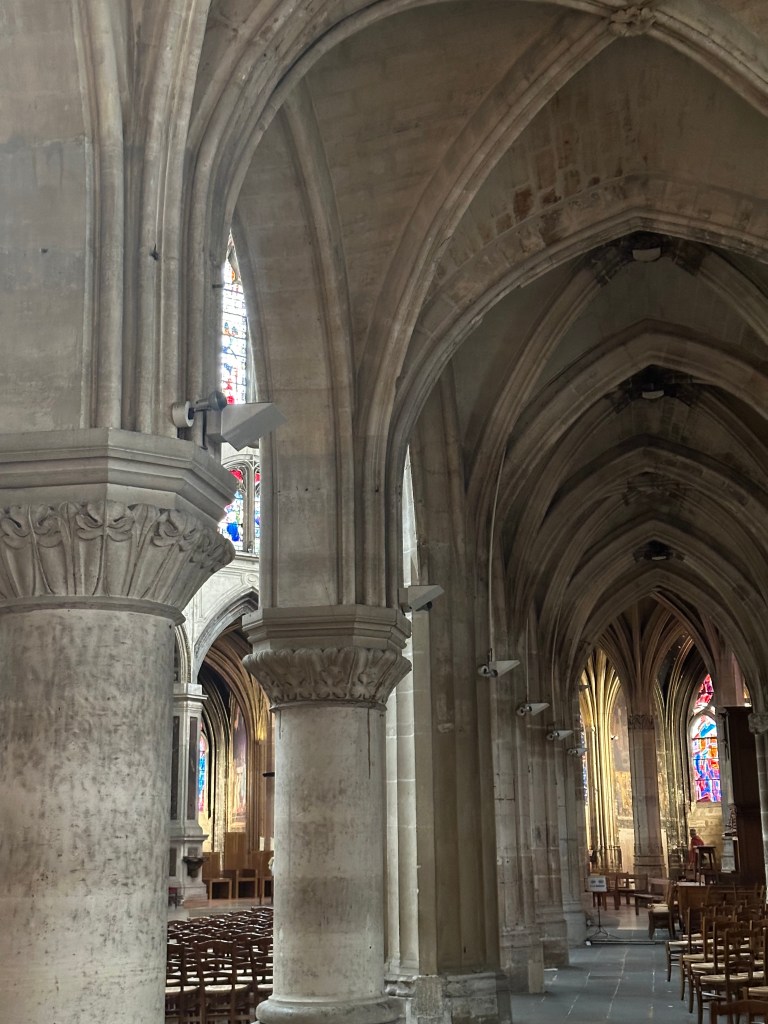
I was among three other people in the soaring, hushed church, dimly lit by candles and the weekday afternoon sunlight. My restless mind quieted with a wave of calm as I looked to the high gold altar across the nave below the vaulted dome. The noise of Paris dulled to a murmur inside the church walls as I found a place to sit. I exhaled in the enveloping silence, not realizing how tired I’d been from non-stop travel days. In that moment, there was nothing more to do than rest, breathe deeply, and let the moment settle.
“We return home more burned out than when we left”
That moment in Paris revealed the difference between the type of travel I saw online and the one I craved. Feeling overwhelmed by the rapid-fire nature of social media algorithms, viral hotspots, and travel FOMO? Trust me, you’re definitely not alone.
We’ve never had more information about where to travel and what to do than now, yet weeding through hundreds of recommendations increases the pressure to see and do it all. Trips become more about checking boxes rather than truly experiencing a place. We return home more burned out than when we left.
Chances are, you don’t actually need more stimulation and a jammed itinerary to make it work. If you’re craving a more meaningful, transformative trip, consider instead visiting places historically designed for reflection, stillness, and contemplation: sacred spaces.
What are Sacred Spaces, and Why Do They Matter More Than Ever?
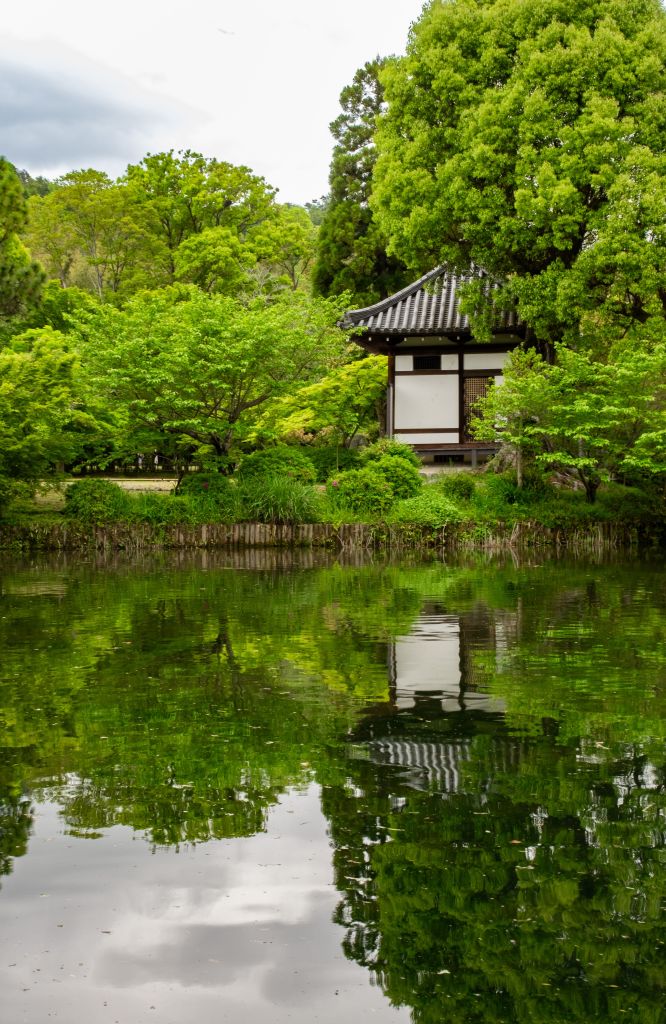
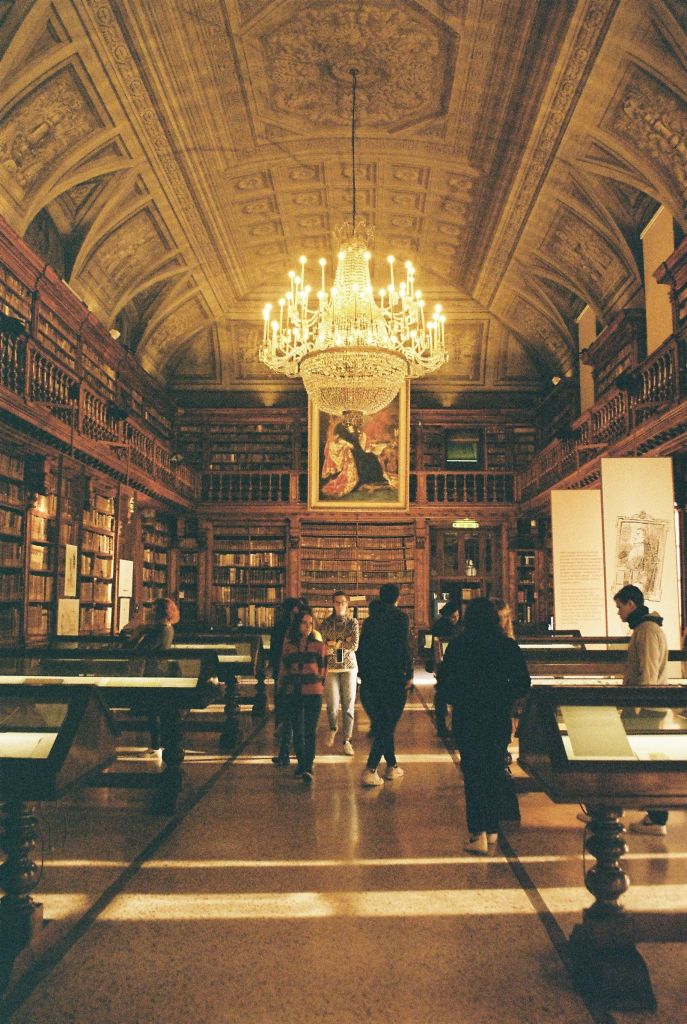
Places of worship, such as churches, temples, and shrines, are established sacred spaces found all over the world, revered for generations. Yet sacredness doesn’t apply only to religious sites. Sacred spaces include aged libraries, curated Japanese gardens, the vast Grand Canyon, a neighborhood cafe, or even your favorite spa. For sacredness is more than just a building. It’s about the type of attention the space invites.
Such places offer us something profound and often lost in our daily lives: a chance to reconnect, to think deeper, to come away from a visit changed.
Sacred spaces matter more than ever in an age where travel trends rapidly come and go, and we can be swamped in the noise of hype and buzz. Instead, consider the mindfulness found in leisurely wandering a farmers market, walking in the forest, stepping into a centuries-old church, or enjoying a coffee break without a phone. Our pace naturally slows, distraction fades away, and we become more conscious of our thoughts and feelings.
“For sacredness is more than just a building. It’s about the type of attention the space invites”
Sacred Spaces Slow Us Down
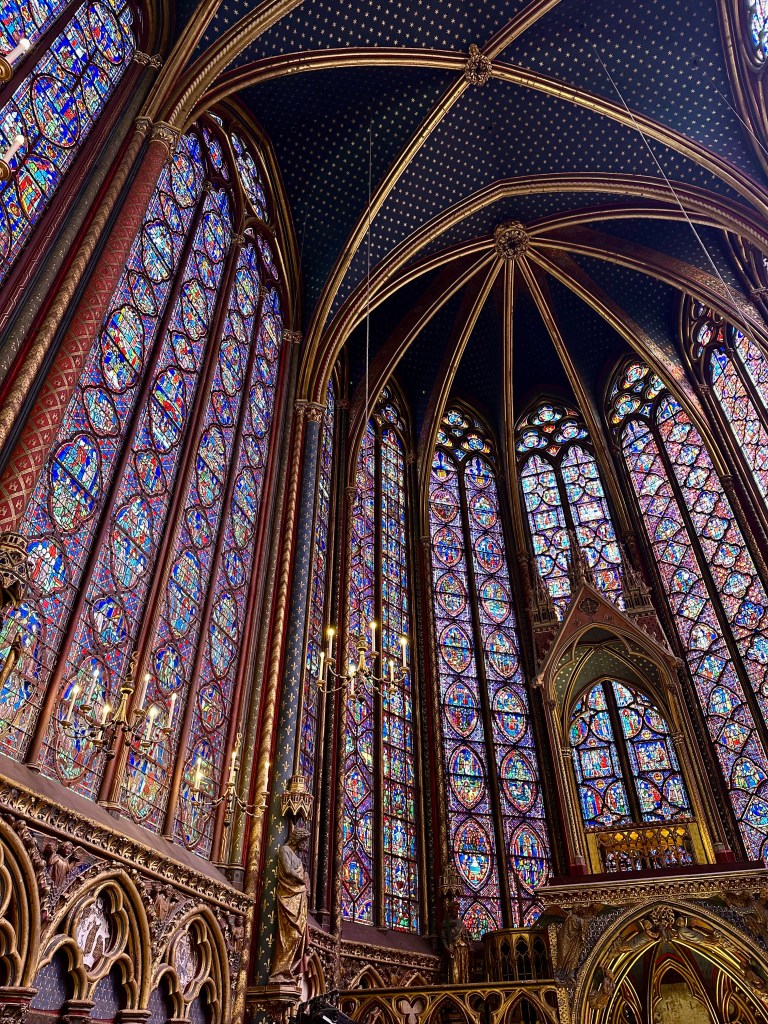
By decelerating us, sacred spaces draw us back to the present moment. There is an unhurried, soothing beauty in stained-glass windows and rose gardens. Sacred spaces resist our everyday urgency, asking us to recalibrate and take everything in. Through awe, wonder, and a more peaceful mind, we start to notice details we’d otherwise miss. The smell of incense and candles, the ruffle of book pages in a library, the harmonious calm of an immaculately manicured garden. We become more curious, observant, open to conversation and chance discoveries.
“Most of all, let yourself fully experience the sacred space, and listen to what it unearths within you”
Sacred Spaces Remind Us We’re Part of a Larger Story
Sacred spaces connect us to something larger than ourselves. In their presence, we feel a sense of belonging and an awareness of our place amongst all those who came before us and will come after. Travel has the power to awaken this relational sense, and to remind us that we are not as separate as we often feel. When we have the opportunity while traveling to pause and reflect, we cultivate a deeper sense of who we are and return home with an appreciation for the world around us.
“Sacred spaces resist our everyday urgency, asking us to recalibrate and take everything in”
Contemplation Invites You to Find What Matters
Sacred spaces give you permission to ask the greater questions about what matters in life. Connecting with your values and dreams helps center you, something we often forget to do in our busy lives. Soul-led travel is revealing and rejuvenating, and sacred spaces can provide a place for you to rest, reset, and listen to what’s within you.
It is empowering as a traveler to go beyond the viral lists and to be led by what you actually desire to experience. Whenever I need some quiet comfort, I seek out the nearest church. I love witnessing the local faith communities and participating in worship wherever I am in the world.
I also enjoy detouring from touristy areas to find the destination’s local antique and thrift shops. There is sacredness in the quiet perusal for a unique keepsake that truly aligns with you. When I come home, the piece reminds me not just of the place, but who I was on that trip, and what I learned along the way.
Before Planning a Trip, Ask Yourself These Questions:
- What do I actually desire from travel?
- How will it enrich and expand my life?
- How do I want to feel when I return from the trip?
If your answers reveal a longing for greater depth and transformation, consider visiting a sacred space on your trip, even if you’re not religious. Leave room for one place that asks nothing of you except your full attention. It might intimidate you at first, but I invite you to go beyond the itinerary and follow what beckons your soul. Most of all, let yourself fully experience the sacred space, and listen to what it unearths within you.
About the Author

AnnClaire MacArt is a writer, editor, and academic administrative assistant based in Northern California. She writes on the mind-body-spirit connection, formative places and spaces, and the art of a fully lived-life. AnnClaire has lived across the United States and especially enjoys traveling to Europe. She previously worked in biotechnology, and holds degrees in English/Religion from Dartmouth College and an M.A. in English (Geographical Narratives) from Creighton University. She writes on Substack at @annclairemac. Find her on Instagram at @ac_mac and on LinkedIn.

