
There is a strange contradiction at the heart of travel. We leave home because we want a break from routines, responsibilities and the small administrative demands of everyday life, then spend the week before departure making lists, checking bookings and wondering whether three pairs of shoes is excessive.
By Editorial Team
For busy women, travel can sometimes feel like another project to manage, with flights to book, bags to pack, accommodation to choose and approximately seventeen things to remember before walking out of the front door. Add work, family and the general business of being an adult, and the dream of casually wandering through a European city can begin with you frantically searching for your passport at midnight.
Yet the more we travel, the more obvious it becomes that preparation is not really about controlling a trip. It is about giving yourself enough breathing room to stop controlling it.
The First Lesson: You Probably Do Not Need Half of What You Packed
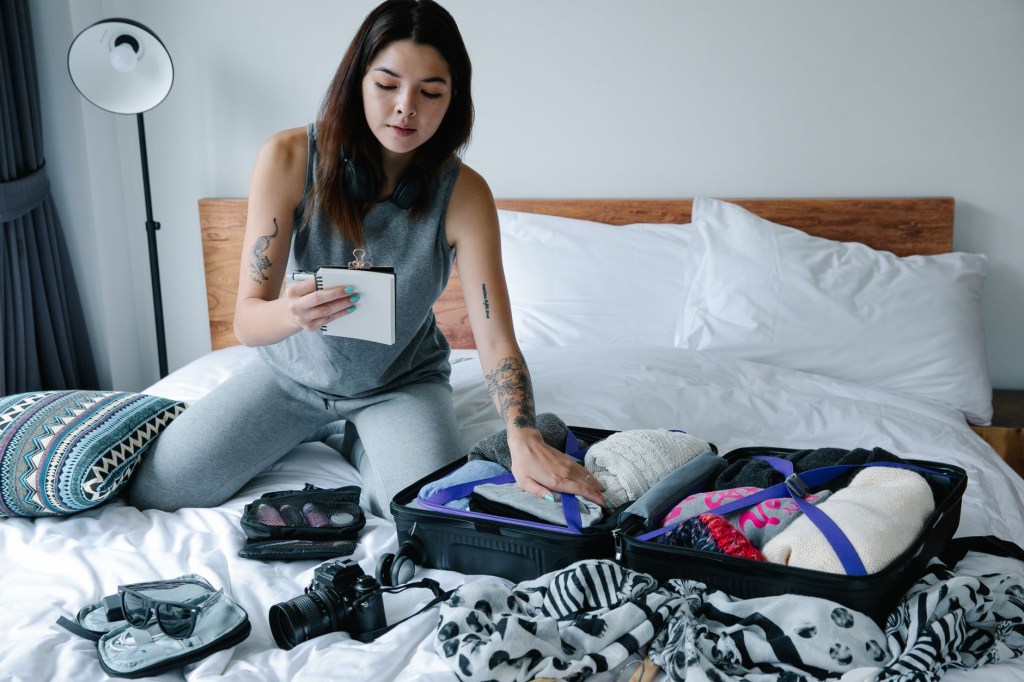
Packing is where many trips begin to go slightly wrong. Not because it is particularly difficult, but because we have a tendency to pack for every possible version of ourselves. There is the outfit for the nice dinner, the outfit for the unexpected nice dinner, the walking shoes, the shoes that look better than the walking shoes, and something vaguely elegant in case we suddenly become the sort of person who attends an impromptu rooftop gathering. We then carry all of it around for five days and wear the same trousers three times.
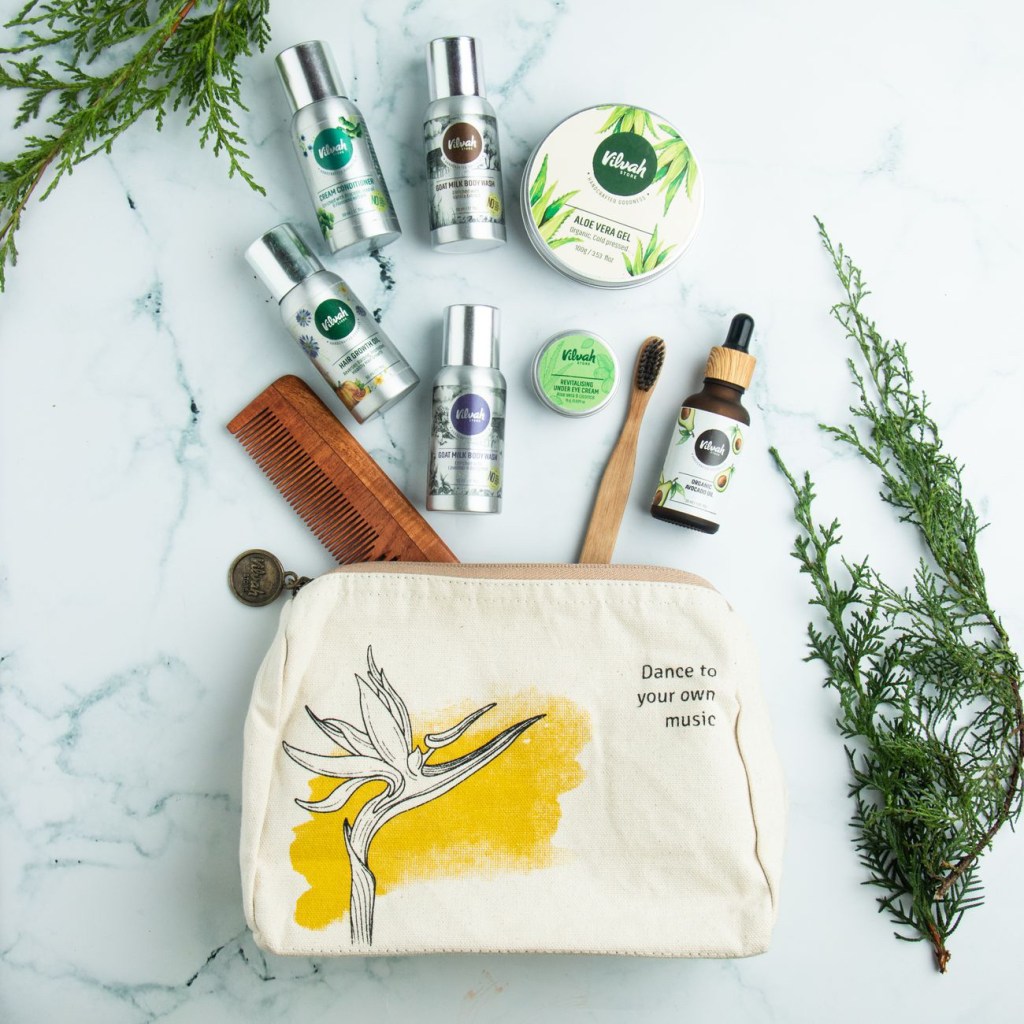
A well packed bag is less about having everything you might possibly need and more about knowing what you are actually going to use. A simple packing list that can be adapted for different destinations saves space and the mental energy of starting from scratch every time. Packing cubes can help keep things organised, particularly when you are moving between several places, while clothes that work together mean you can create several outfits without bringing your entire wardrobe. Reusable bottles are useful for toiletries, particularly if you are travelling with hand luggage. If packing is your particular form of pre holiday chaos, these stress-free packing tips can help you develop a system that works for you.
Travel has a way of exposing how little we actually need. A few useful clothes, comfortable shoes and the things that genuinely matter will usually take you surprisingly far. The rest is mostly anxiety with a zip.
The Second Lesson: The Boring Things Matter
Nobody daydreams about a beautifully organised folder containing their passport, travel insurance and hotel confirmation. Discovering that folder exists when your phone is dying in a foreign airport, however, can feel like a personal triumph. Travel logistics are rarely exciting, but dealing with them before you leave can make a remarkable difference once you arrive.
Keep flight details, accommodation bookings, transfers and other important information somewhere accessible rather than relying on your memory or hoping the relevant email will appear when you need it. Digital copies of important documents can also be useful, including your passport, visa, driving licence and travel insurance details where relevant. Store them securely so you can access them if the originals disappear.
Booking airport transport or car hire ahead of time can remove another unnecessary problem. After a long flight, negotiating public transport while dragging a suitcase over cobblestones is not always the cultural immersion you were hoping for. The point is not to plan every second of your trip. It is simply to deal with the things that would be deeply annoying if they went wrong.
The Third Lesson: Where You Stay Changes the Trip
Accommodation is often treated as somewhere to sleep between activities. In reality, it can shape the entire rhythm of a trip. A beautiful hotel on the wrong side of a city might look wonderful online, but considerably less so after forty minutes of commuting every morning. A cheap room can also become less economical if you are constantly paying for taxis because nothing is nearby.
Think about how you will actually spend your time. If you are working, reliable Wi Fi and somewhere comfortable to sit may matter more than a spa you will never use. If you are exploring, being close to public transport or within walking distance of the places you want to see can make your days much easier.
For solo travellers, location can also be about feeling comfortable. Recent reviews can offer useful clues about the surrounding area, staff and how other women felt arriving and leaving alone. If Boston is on your itinerary, choosing the right hotel in Boston can give you a practical base from which to explore the city or get through a work trip without spending half your day commuting.
The right accommodation does not have to be the most impressive. Sometimes it is simply the place that allows you to stop thinking about accommodation altogether.
The Fourth Lesson: Preparation Can Make You Feel Safer
There is a difference between being cautious and being afraid to travel. Before leaving, tell someone you trust where you are staying and roughly what your plans are, particularly if you are travelling alone. Once there, pay attention to your surroundings and trust your instincts. If something feels uncomfortable, you do not need to prove why. You can simply leave.
The same applies online. Public Wi Fi may be convenient, but it is not necessarily where you want to conduct your banking or access sensitive accounts. A VPN can provide an additional layer of privacy when using unfamiliar networks. A little research into local customs, transport and common scams can also make a destination feel less intimidating. Knowing what to expect tends to create confidence rather than paranoia. Good preparation should give you freedom, not turn you into your own private security detail.
The Fifth Lesson: The Best Parts Are Rarely Scheduled
There is a particular satisfaction in planning a trip down to the last museum, restaurant and scenic viewpoint. Unfortunately, destinations have not yet agreed to follow our spreadsheets. The restaurant may be closed, the museum might be under renovation, or it may rain on the day you had reserved for the beach. You may discover that the attraction everyone insisted was essential leaves you cold, while the tiny café you wandered into by accident becomes the place you remember years later.
Leave gaps in your plans. A slow morning can be as valuable as another organised excursion. Sit somewhere and watch people go about their day, take a different street, have lunch somewhere that was not recommended by an algorithm or talk to someone local. Let yourself become temporarily lost, within sensible limits and preferably without your passport being involved. These are often the moments when travel stops feeling like sightseeing and starts feeling like being somewhere.
The Final Lesson: A Good Trip Is Not a Perfect One
The memorable trips are rarely the ones where everything went exactly according to plan. They are the ones where the train was delayed and you ended up talking to a stranger, where it rained and you found a tiny restaurant, or where you took the wrong turn and discovered a beautiful street. Sometimes the carefully researched itinerary falls apart and something better takes its place.
Preparation still matters. It makes travel easier, safer and less stressful. But its purpose is not to eliminate uncertainty. It is to make sure you have enough energy left to enjoy it.
Perhaps that is the real luxury of travel. Not a perfect hotel, an elaborate itinerary or a suitcase full of clothes you never wore, but the freedom to arrive somewhere new without carrying every worry from home with you. Pack what you need, sort out the boring bits, know where you are going to sleep, and then leave a little room for the trip to surprise you.
 Travel stories to empower women