
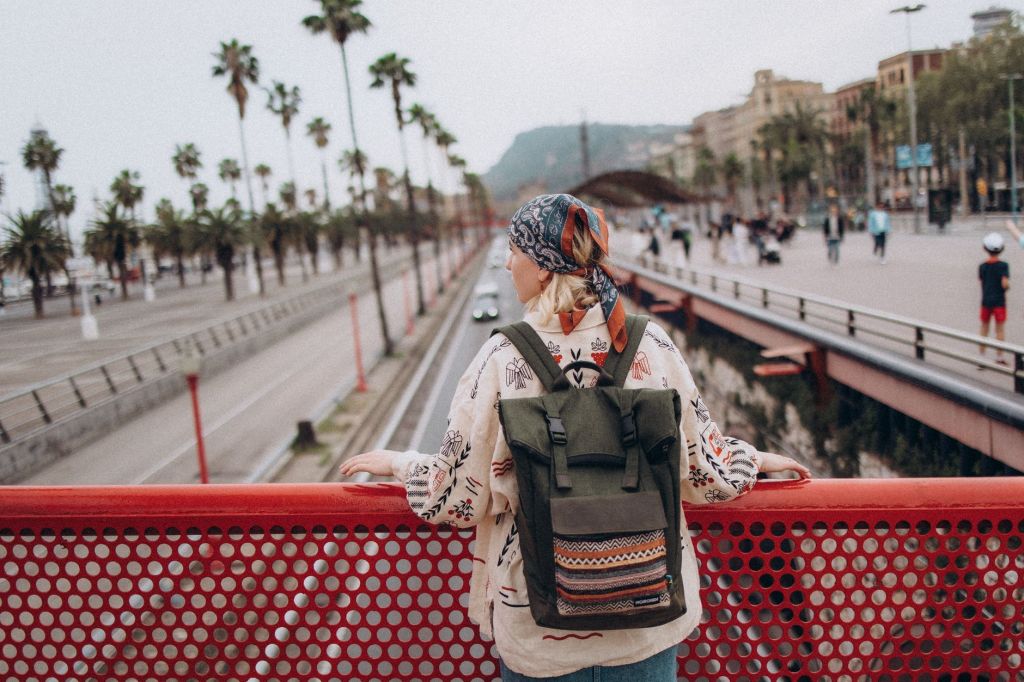
An urban sabbatical offers something rather appealing: the chance to step away from familiar responsibilities without disappearing off the face of the earth. Instead of spending months in the same routine, you relocate to a different city, immerse yourself in a new environment and give yourself room to explore ideas that might otherwise remain somewhere at the bottom of your to-do list. It could last a month, a season or longer, depending on your work, finances and appetite for change.

The beauty of this kind of break is that it doesn’t have to be an elaborate escape or a perfectly planned exercise in self-improvement. A little structure can help you make the most of your time, but leaving room for unexpected discoveries is equally important. Whether you’re considering a career change, hoping to rediscover your creativity or simply wondering what life might look like outside your usual commitments, an urban sabbatical can offer a refreshing change of perspective. And no, you don’t need to return with a completely reinvented personality. A few new ideas and a better understanding of what you want will do nicely.
Define Your Creative Objectives
Before packing your bags, think about what you’d like to get out of the experience. Perhaps you’ve been considering turning photography into a paid sideline, want to make progress on a book or have a business idea you’d finally like to test. Having one central objective gives your time away some direction without turning the whole experience into another performance review.
Keep your ambitions realistic, too. Advice on intentional sabbatical rest emphasises the importance of setting boundaries and allowing yourself genuine recovery. That means making space for sleep, leisurely walks, spontaneous detours and the occasional afternoon when doing absolutely nothing feels like the most productive decision available. Set one main goal and perhaps two smaller projects to explore along the way.
Travel itself can also become part of the creative process. Experiencing a city beyond its usual tourist attractions encourages you to look at familiar things differently, whether through photography, writing, drawing or simply paying closer attention to everyday life. These creative skills for adults can offer inspiration for turning those experiences into something more meaningful.
Cultivate Daily Routines in New Surroundings
One of the pleasures of spending an extended period in another city is discovering a different rhythm of everyday life. Rather than treating every day as a sightseeing expedition, establish a loose weekly routine that gives you time to work on personal projects while enjoying your temporary surroundings.
You might reserve a few mornings for writing or research, spend afternoons exploring local neighbourhoods and leave one day largely unplanned. Find a favourite café, make regular visits to a nearby market or start your mornings with a walk through a local park. These small rituals can make an unfamiliar place feel surprisingly familiar, without reproducing every aspect of the routine you were hoping to escape.
It’s also worth paying attention to what you’re actually getting done. Rather than counting hours spent in front of a laptop, keep track of meaningful progress, whether that’s completing a few pages, attending a workshop or having a conversation that opens up a new possibility. If your energy starts to dip, take a step back. There’s little point travelling somewhere new only to recreate the same exhaustion in a different postcode.

Choose Accommodation That Inspires Focus
Where you stay can make a considerable difference to an extended city break. A hotel room that works perfectly well for a weekend might become rather less charming after three weeks, particularly when you’re trying to work, cook or simply enjoy a little personal space.
Look for accommodation that combines comfort with practicality. A proper workspace, reliable internet, natural light and enough storage to unpack are worth prioritising. Having access to a kitchen can also make a longer stay more affordable and give you the freedom to settle into everyday routines rather than relying on restaurants for every meal.
Location matters just as much. Consider how easily you can reach public transport, supermarkets, green spaces and the cultural venues you want to explore. If Philadelphia is on your list, ROOST Philly offers apartment-style accommodation with hotel amenities, making it an option for those planning a longer stay in the city.
Before committing, compare the full cost of your stay, cancellation policies, laundry facilities and reviews mentioning noise or workspace quality. Photographs can make almost any accommodation look like a dream, but you’ll be spending considerably more time there than the person who took them.
Balance Deep Reflection with Cultural Immersion
An urban sabbatical isn’t simply about finding a comfortable place to work remotely. It’s also an opportunity to experience another city beyond the landmarks and the usual tourist circuit. Museums, galleries, independent bookshops, neighbourhood markets and community events can all provide inspiration, particularly when you give yourself time to engage with them rather than rushing through a checklist.
Try balancing quieter periods with activities that introduce you to different perspectives. Attend a public lecture, join a short creative course or spend an afternoon exploring a neighbourhood you’ve never heard of before arriving. Conversations with local residents and other travellers can be just as enlightening as visiting the city’s most celebrated attractions.
There’s also something valuable about experiencing a place as a temporary resident rather than a visitor trying to see everything in four days. Returning to the same café, recognising familiar faces and discovering your own favourite corners can create a stronger connection with a destination. You might even find that the most memorable moments happen when you aren’t doing anything particularly remarkable.
Just remember that cultural immersion shouldn’t become another exhausting obligation. Leave evenings free, allow yourself to change plans and resist the temptation to turn every experience into a personal development opportunity. Sometimes a city is best appreciated over a long lunch and a completely unnecessary second coffee.
Return With Renewed Clarity

As your sabbatical approaches its end, give yourself time to reflect on what the experience has actually changed. Revisit your notes, look through the photographs you’ve taken and consider which ideas still excite you. Perhaps you’ve made progress on a creative project, discovered a new professional direction or realised that the life you had before leaving no longer feels quite right.
The sabbatical benefits can extend well beyond the time spent away, particularly when you find ways to bring what you’ve learnt into your everyday life. Choose one or two habits you’d like to maintain and make a practical plan to continue them once you’re home. That could mean protecting a morning each week for writing, staying in touch with people you’ve met or making more regular time for cultural experiences in your own city.
It’s also worth thinking about how you’ll communicate your time away professionally. Rather than feeling obliged to justify every month spent elsewhere, focus on what you’ve explored, created and learnt. A sabbatical doesn’t have to produce a dramatic career transformation to have been worthwhile.
Ultimately, an urban sabbatical is an opportunity to experience a different way of living, even if only temporarily. It gives you the space to question familiar expectations, rediscover interests and consider what you want the next chapter to look like. You may return with a clearer career direction, a new creative pursuit or simply a renewed appreciation for having choices. And sometimes, that’s more than enough to make the journey worthwhile.

