
As you loiter at the departure gate—half human, half carry-on—you clock the quiet chaos: your charger tangled with a toothbrush (why), the last of your coffee abandoned to go cold like a forgotten situationship, and your laptop still smugly displaying fifteen tabs about the weather and your booking. No one is coming to rescue you. Not your passport, not your meds, not even that basic “landed safe” text your mum will absolutely notice you didn’t send.

It sounds minor. It isn’t. It shifts something. When everything is yours to remember, carry, and sort, you stand a little differently. Slightly more upright. Slightly more aware. Slightly less inclined to assume someone else will fix it.
You Start Noticing What You Usually Glide Past
At home, a surprising amount of life runs on autopilot—and, let’s be honest, often on someone else’s mental load. Where are we going? Who booked it? Why does this work? Magic, presumably. When you travel solo, the magic evaporates. You’re the system.
Suddenly you see your habits clearly. Do you double-check departure times or trust the universe (bold)? Do you read the fine print or just hope for the best (bolder)? Independence doesn’t arrive in one cinematic mishap—it builds through dozens of tiny course corrections. A wrong turn here, an overpacked bag there, a quiet realisation three hours into a walk that you did not, in fact, need those “just in case” boots.
A camel trek with Ultimate Sahara, for example, would be a particularly poetic teacher in this regard. Out there, you learn quickly what matters, what annoys, and what you should have sorted before leaving. Also: camels are unimpressed by your poor packing decisions. As they should be.
You Stop Taking Every Inconvenience Personally
Travelling alone means there’s no one nearby to absorb your mood. If you’re tired, hungry, sunburnt, or all three (classic), you still have to function. At first, it feels a bit raw—like the world has removed your buffer. Then it becomes oddly liberating.
A late bus isn’t a personal attack. A wrong address isn’t the universe conspiring. They’re just… problems. Practical ones. Drink some water. Sit down. Ask again. Carry on. It’s less about being “tough” and more about not spiralling over things that don’t deserve the drama.
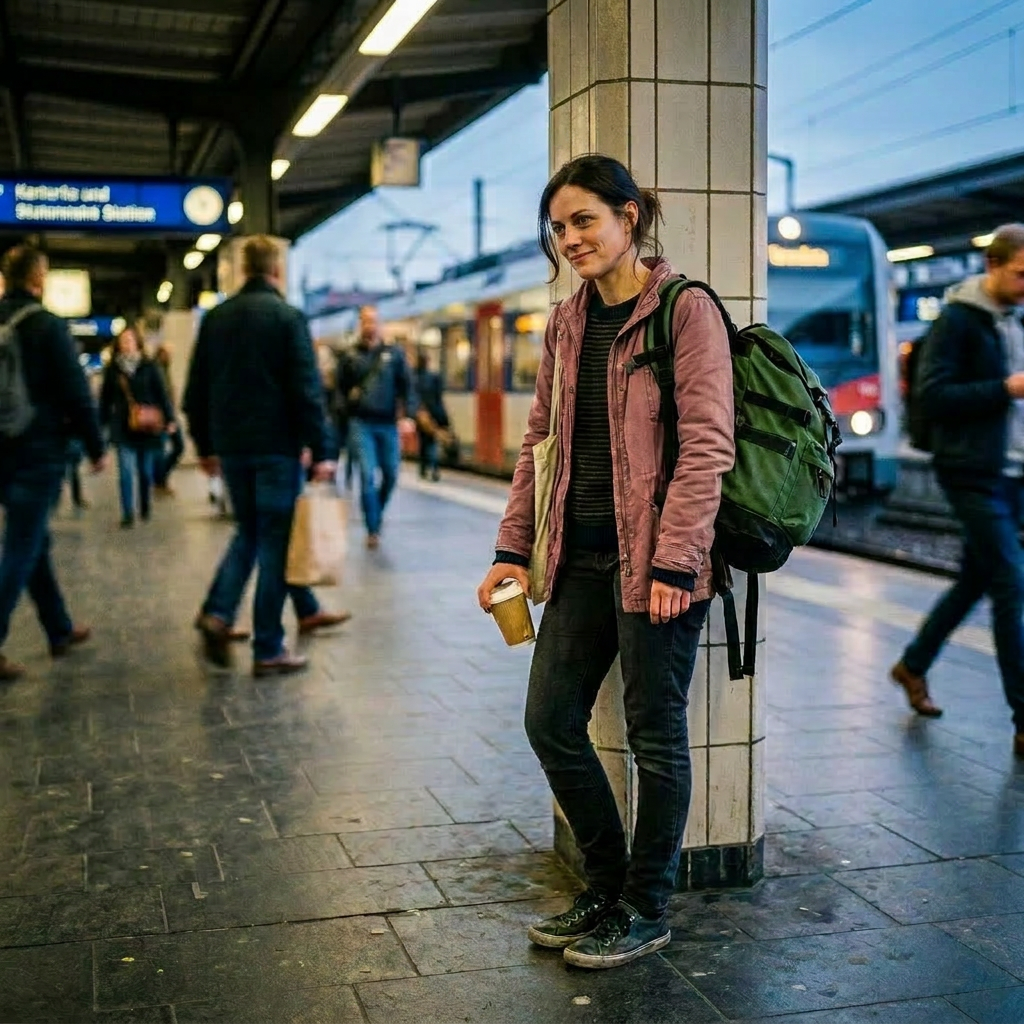
You Work Out What You Actually Like
Without the influence of friends, partners, or that one overly enthusiastic travel companion, your preferences get louder. Museums: bliss or boredom? Early mornings: divine or delusional? Long hikes versus a slow wander followed by a pastry the size of your head?
You start making choices based on your own rhythm. And that clarity doesn’t politely stay on holiday—it follows you home. You become a bit more selective, a bit less likely to say yes to plans that don’t suit you. Revolutionary, really.
Your Confidence Becomes Subtle (and Far More Useful)
Real confidence isn’t loud. It doesn’t need to be. It’s the quiet knowledge that you can sort things out—even if you occasionally do it badly first. You learn to navigate, to fix mistakes, to sit alone in a restaurant without feeling like a spare part, to wake up and do it all again.
That kind of confidence doesn’t perform. It steadies you. It makes your days—back home, in the ordinary—feel less chaotic, less overwhelming. And frankly, it’s a far better souvenir than anything you’ll impulse-buy at the airport.
 Travel stories to empower women