
Mountain Skills As Your Ultimate Holiday Memorabilia
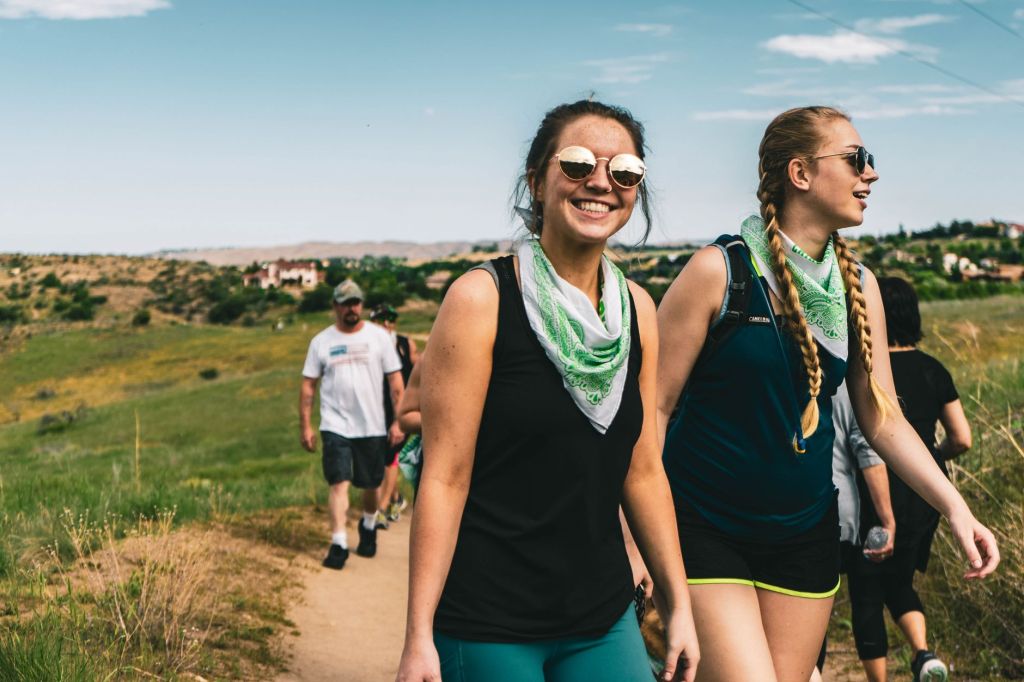
There comes a point on almost every outdoor holiday when the conversation fades away. It might be halfway up a mountain trail, as everyone settles into their own pace, or after a morning spent scrambling over rocks, when the only sounds are boots on gravel and the wind moving through the trees. We never plan for those moments, but they always seem to arrive. And somehow, they become the ones we remember long after the holiday has ended.
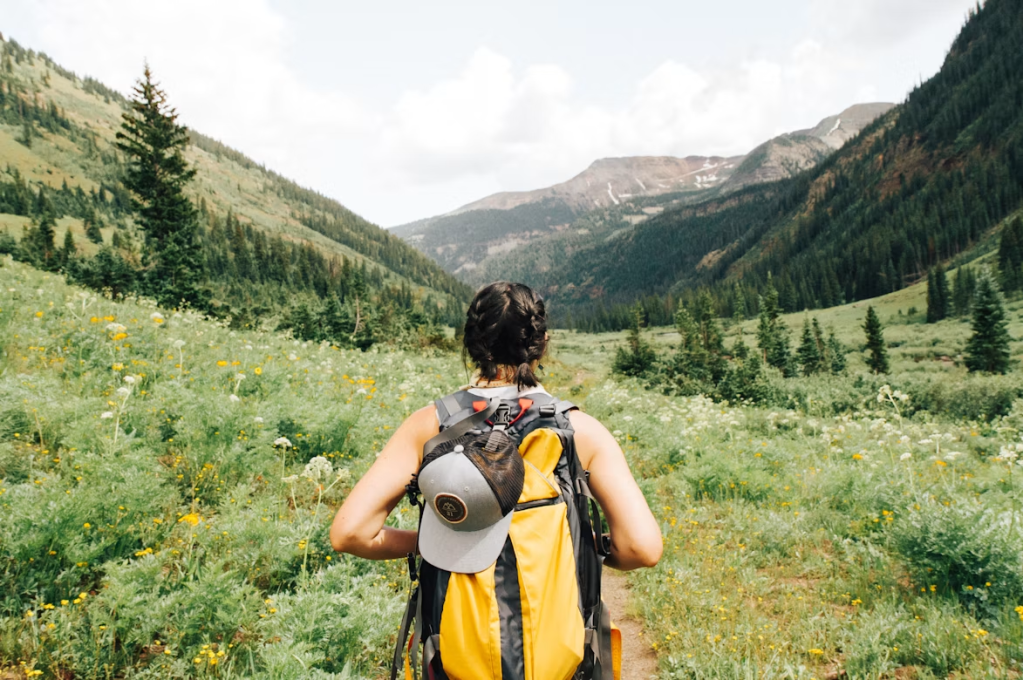
We often think we travel to discover new places, but the older we get, the more we realise we’re also travelling to rediscover ourselves. Life has a habit of becoming noisy. Work follows us home, our phones rarely stop buzzing and even the holidays we’re meant to enjoy can feel packed with itineraries and expectations. Then we head into the mountains, where the only decision that really matters is where to place the next step, and everything else begins to fall into perspective.
Perhaps that’s why so many of us are choosing active escapes over traditional wellness retreats. We still appreciate a comfortable hotel and a good breakfast, but we’ve discovered that few things leave us feeling more restored than a day spent hiking through alpine meadows, paddling across a glassy lake or descending a canyon where the only way forward is to trust ourselves and take the leap. The satisfying ache in our legs, the flask of coffee enjoyed on a windswept summit and the shared laughter over a slightly questionable packed lunch have become our version of luxury. Nature has quietly become the retreat we didn’t know we needed.
One of the greatest gifts the outdoors offers isn’t simply fresh air or spectacular scenery. It’s perspective. Mountains have no interest in our overflowing inboxes, and rivers couldn’t care less about tomorrow’s meetings. Out there, our attention belongs entirely to the present moment. We watch the weather rolling across a valley, notice the changing colours beneath our boots or pause because a bird of prey has appeared overhead. Without trying, we begin to breathe a little more deeply. Our shoulders relax. The constant mental chatter softens. We return home with exactly the same responsibilities we left behind, yet somehow they feel lighter to carry.
It’s easy to assume confidence comes first and adventure follows. In reality, we’ve found the opposite to be true. Confidence grows quietly, built through moments that rarely make it onto social media. Reading a map correctly after losing phone signal. Crossing a rocky stream without hesitation. Reaching a summit that looked far steeper from below. Successfully pitching a tent before the rain arrives. These aren’t headline moments, but together they reshape the way we think about ourselves. Every small challenge overcome outdoors becomes evidence that we’re capable of figuring things out, even when the route ahead isn’t entirely clear.
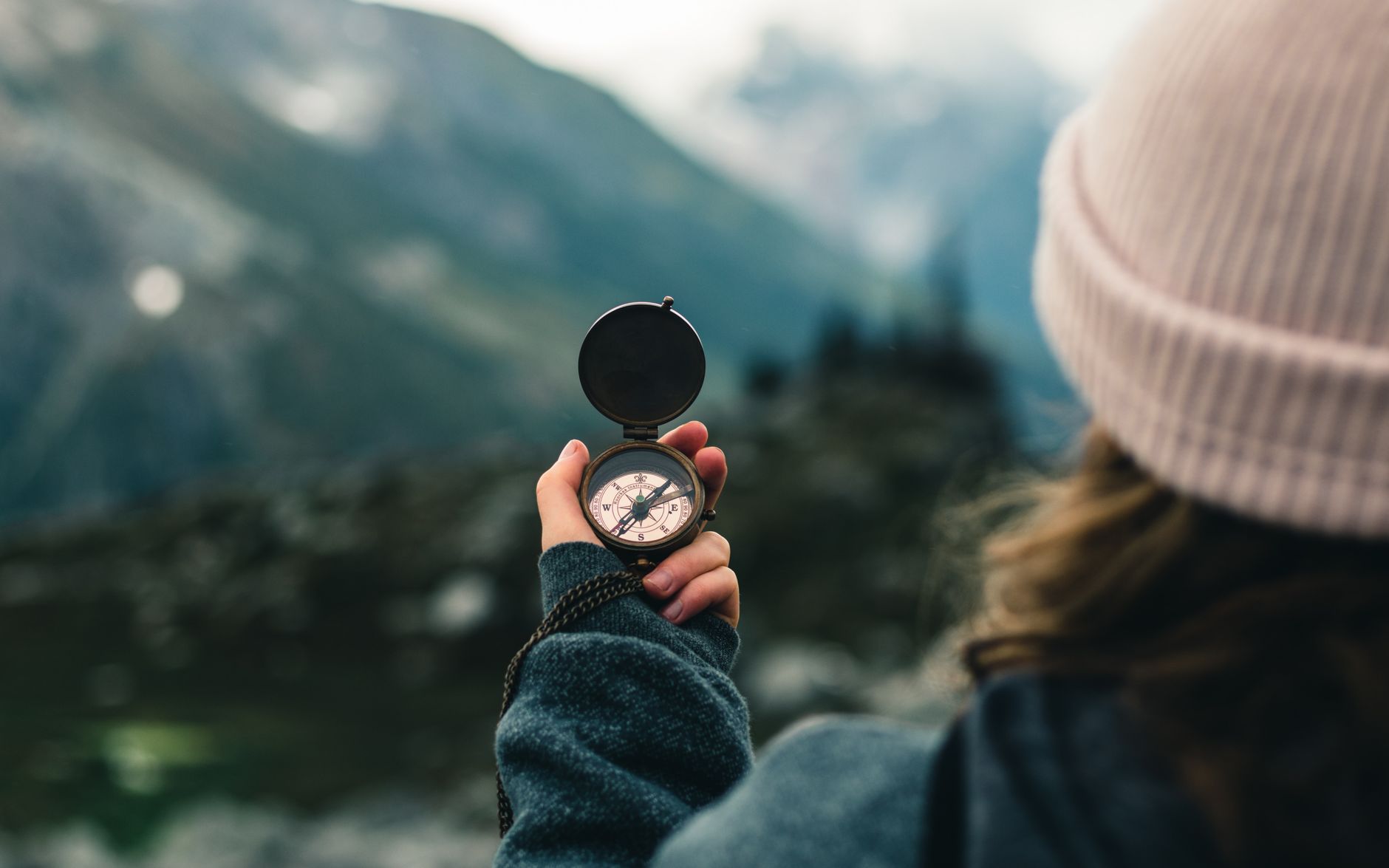
That’s one of the reasons we’re such advocates of learning new outdoor skills whenever we travel. Not because every holiday needs to become an expedition, but because every new skill makes future adventures richer. Learning to navigate with a compass, understanding how to read changing weather conditions or recognising the subtle signs that experienced hikers instinctively notice all deepen our connection with the places we’re exploring. They also remind us that we’re never too old to become beginners again.
If you’re looking to build those skills, there’s something incredibly reassuring about learning alongside people who’ve spent years immersed in the outdoors. Experiences at places like SandFork Hog Hunting Ranch may offer that opportunity. It’s a great place where visitors can learn practical skills such as tracking, land navigation and understanding how to read the landscape. Spending time with experienced outdoorsey people changes the way you see the natural world. You stop simply walking through it and begin to understand it, noticing details you would once have passed by without a second glance.
Of course, every adventure teaches us another lesson too: preparation creates freedom. The more confident we become with our equipment, the less we think about it. Comfortable boots, reliable waterproofs and a carefully packed day bag don’t make the mountain any smaller, but they allow us to focus on the experience rather than the distractions. It’s precisely why we’ve put together our guide to the things every travel adventurer should own. After enough forgotten head torches, soggy jackets and improvised picnic lunches, we’ve learnt that the right gear doesn’t just make life easier—it makes us more willing to say yes to the next adventure.
What surprises us most is how often these outdoor lessons follow us home. Navigating a difficult trail teaches patience in ways we don’t fully appreciate until we’re dealing with a stressful week at work. Learning to stay calm when the weather changes unexpectedly has an uncanny way of making everyday setbacks feel more manageable. Even the simple act of reaching a summit after hours of steady effort reminds us that meaningful progress rarely happens quickly. The mountains don’t solve our problems, but they do give us a healthier way of approaching them.
Perhaps that’s why we continue to choose walking holidays, mountain escapes and adventure travel year after year. We come home with beautiful photographs, certainly, but they’re never the real reason we went. What stays with us is the quiet confidence that settles in afterwards—the reassurance that we’re stronger than we remembered, more adaptable than we imagined and happier when we spend at least some of our time beneath open skies.
So, if you’re wondering where your next holiday should take you, consider choosing somewhere that asks a little more of you. Book the guided hike. Try canyoning. Learn to navigate without relying entirely on your phone. Spend a day discovering the landscape through the eyes of an expert. Pack well, embrace the unexpected and step out with confidence.
The summit is never the whole story. It’s the woman who walks back down the mountain who has really changed.

