
By Amira Jones
When I look back, I don’t remember making a conscious decision to postpone seeing the world. It happened gradually, almost politely. There was always someone who wanted to come “next year”, a friend saving for a house, another changing jobs, someone starting a family or simply unable to commit beyond exchanging enthusiastic messages in a group chat that would eventually fall silent.
Without noticing, I had quietly convinced myself that travel was something best experienced in company. The destinations on my wish list remained exactly that—wishes—while life, in all its predictable unpredictability, continued to move forward.
It took me longer than I care to admit to realise I wasn’t waiting for the right travelling companion. I was waiting for permission.
Booking my first trip alone didn’t feel rebellious or particularly courageous. If anything, it felt strangely ordinary. I researched neighbourhoods, checked train connections, worried about whether I’d chosen the right hotel and imagined every unlikely inconvenience my mind could invent. The practical preparations were familiar enough, but emotionally it felt as though I was stepping into a version of adulthood I hadn’t quite explored before: one where every decision, good or bad, belonged entirely to me.
That quiet responsibility turned out to be one of the greatest gifts travelling has ever given me.
The destinations themselves were wonderful, of course, but what surprised me most was how quickly I stopped noticing I was travelling alone. Once the flight landed and the rhythm of a new place took over, I wasn’t a solo traveller navigating the world. I was simply another person buying coffee in a neighbourhood bakery, getting lost in museums, taking the wrong tram, laughing at my own terrible pronunciation and discovering that a table for one could feel surprisingly comfortable.
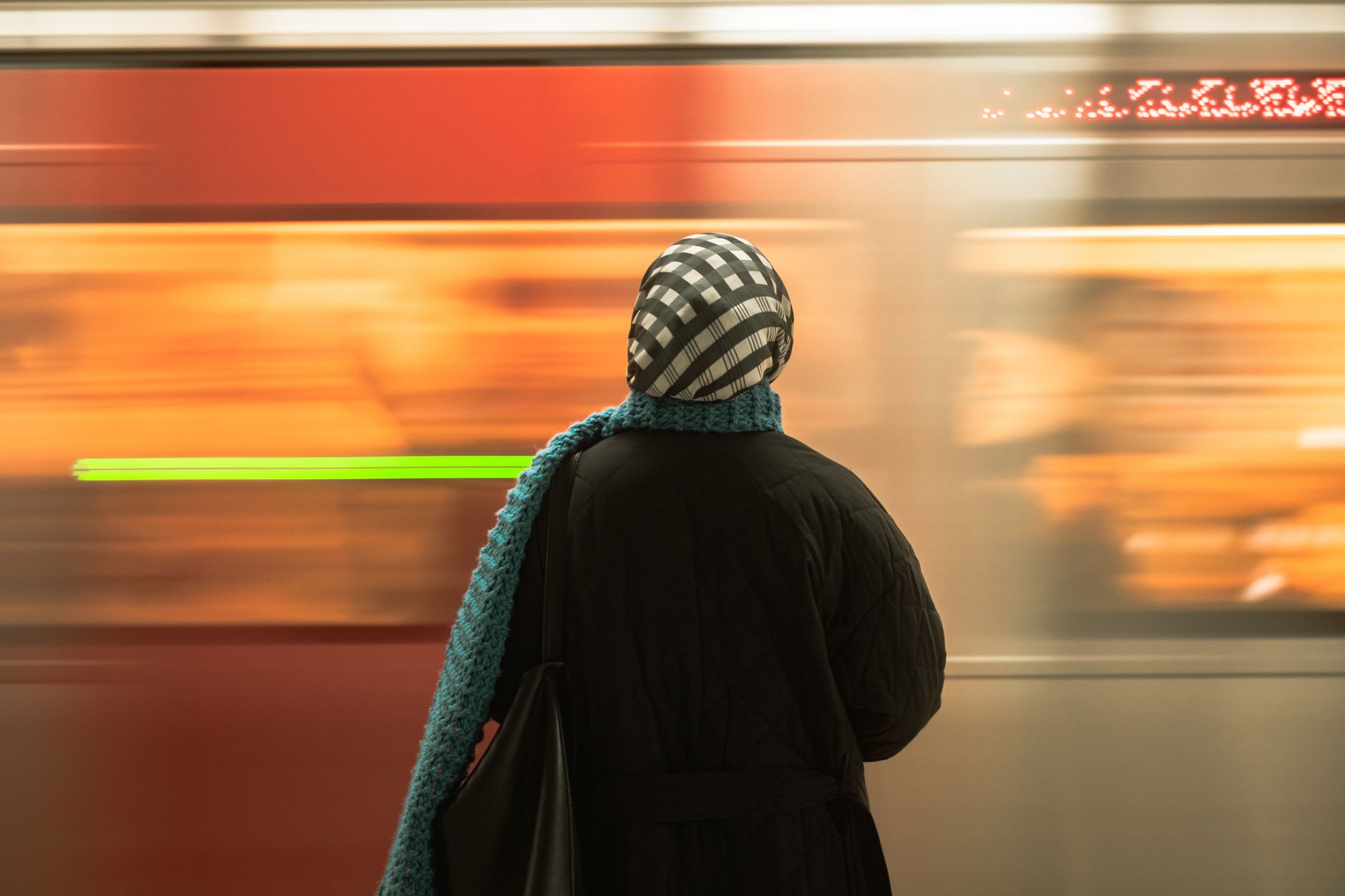
Preparing for each journey became less about eliminating uncertainty and more about making space for curiosity. Understanding local customs, reading about neighbourhoods and planning how to get around gave me confidence without removing the spontaneity that makes travel memorable. Whether I found myself navigating the London Underground or boarding China high-speed rail, the journey between places became as rewarding as the destinations themselves. I read countless tips for getting started, but eventually realised that no amount of planning could replace the lessons that only experience could teach.
Looking back now, I don’t think travelling alone made me more confident. It simply revealed confidence that had been waiting for an opportunity to surface. It arrived gradually, almost unnoticed, through ordinary moments: ordering dinner in another language, trusting my instincts when a street didn’t feel right, changing plans without asking anyone else’s opinion and discovering that resilience is rarely dramatic. More often, it’s something you build with each step you take.
Perhaps that’s why the memories I cherish most aren’t necessarily the famous landmarks. They’re the conversations with strangers whose names I’ve long forgotten, afternoons spent wandering without a destination, unexpected invitations, quiet mornings in cafés and the growing comfort of my own company. Those moments changed the way I travelled, but more importantly, they changed the way I returned home.
If there’s one thing I’ve learnt, it’s that the world rarely asks us to be fearless before it welcomes us. It asks only that we arrive with an open mind and enough curiosity to keep walking. A thoughtful guide to solo travel can answer practical questions, but the more meaningful discoveries are impossible to plan. They happen somewhere between the places you intended to visit and the person you become while getting there.

