
and the Magic You Don’t See on Social Media
The Unromantic Side of Your First Solo Trip — and Why You’ll Love It Anyway
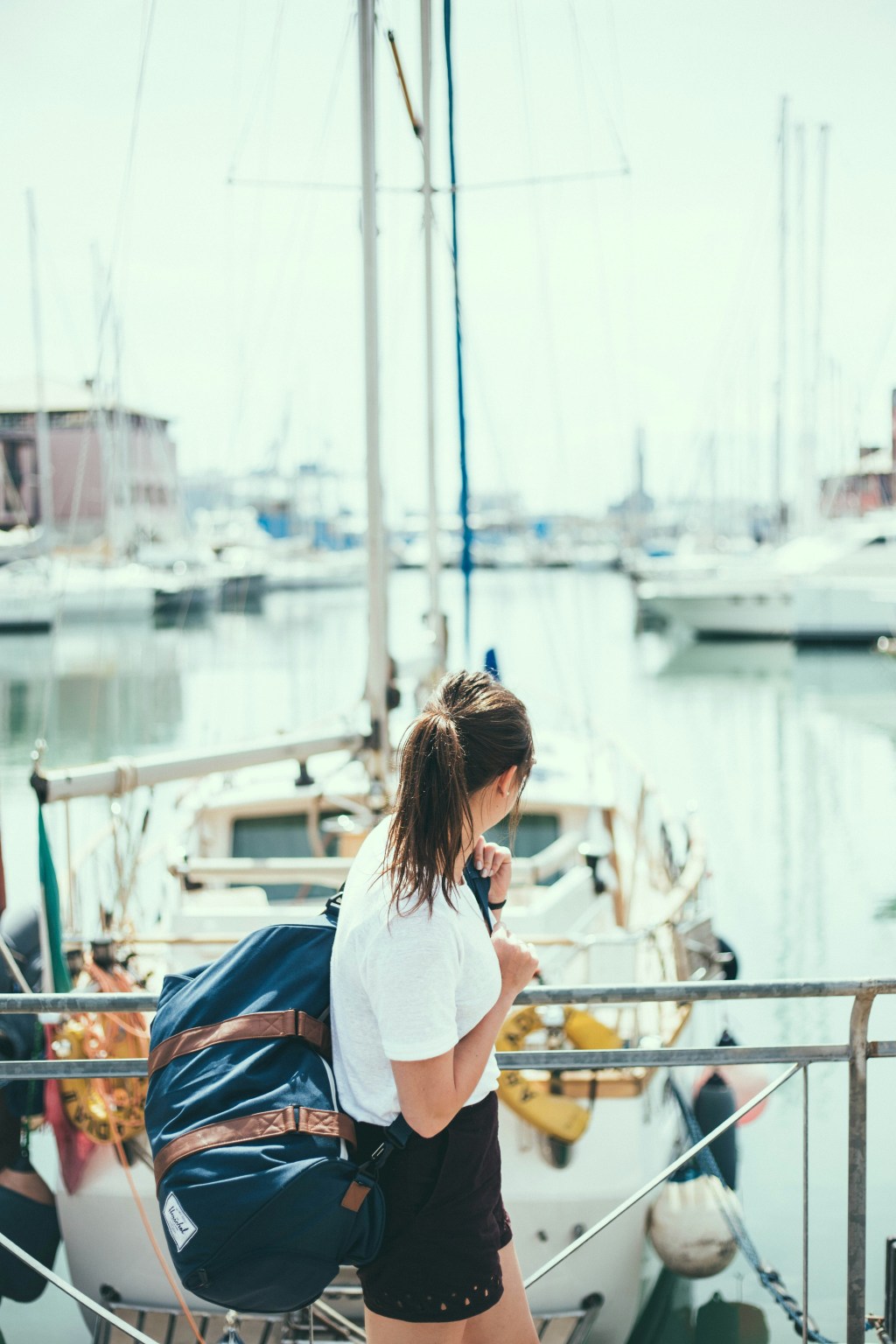
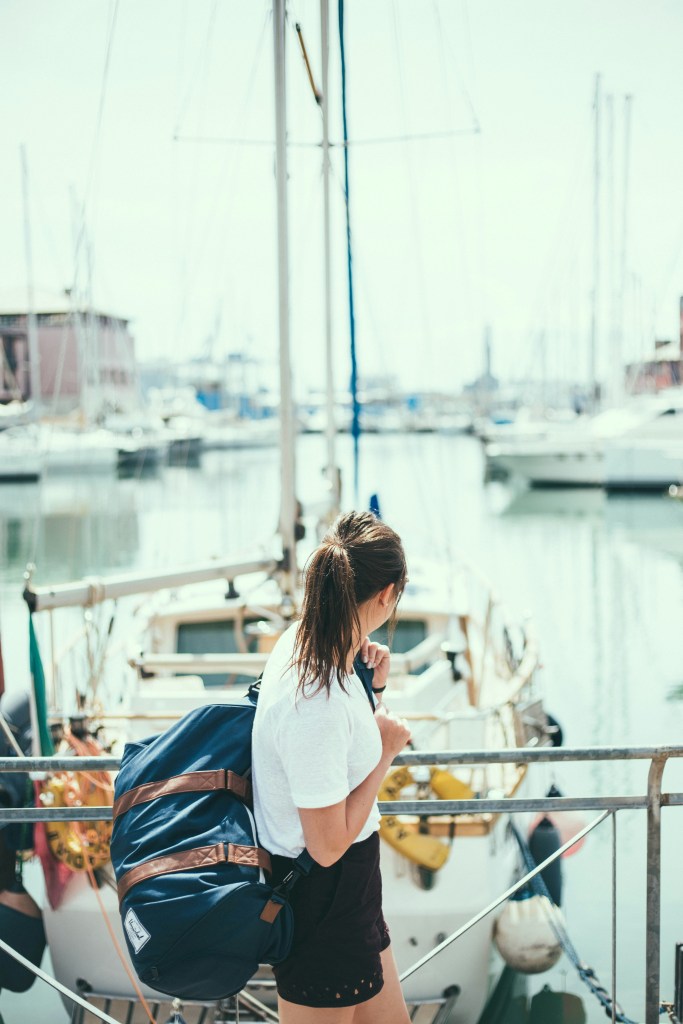
Solo travel has a rather polished image these days. There you are, wandering through beautiful European streets with a coffee in one hand and a perfectly placed tote bag in the other, apparently having the time of your life. Nobody mentions the suitcase wheel that suddenly gives up, the airport toilet you cannot enter because you are guarding your luggage, or the fact that you have been walking confidently in completely the wrong direction for the last fifteen minutes. Your first solo trip can be wonderfully liberating, but it is also full of small practical moments you normally share with someone else. There is nobody to watch your bags while you buy a train ticket, nobody to confirm that you have actually read the map correctly and nobody to sit with your luggage while you nip to the loo. None of this is particularly glamorous, but it is precisely what makes travelling alone such an interesting experience.
Once you are responsible for all those little details, you start thinking differently about how you travel. You pack differently, plan differently and become considerably more interested in where the nearest luggage locker is. The good news is that most of these challenges are hardly dramatic; they are simply things that become more noticeable when you are the only person in charge.
The Arrival Is Usually the Least Glamorous Part
The fantasy begins at the airport. The reality often begins with trying to find the right exit. Arriving somewhere new on your own can feel surprisingly tiring, particularly after a long flight. You have your luggage, your phone battery is hovering somewhere around 23 per cent and you are trying to work out whether the train station is to the left, right or through a shopping centre that looks suspiciously like the airport you have just left.
This is one of those moments when a little preparation makes a big difference. Download offline maps before leaving home, save the address of your accommodation somewhere you can access without an internet connection and have a rough idea of how you are getting from the airport or station into the city. It does not mean planning every minute of the trip; it simply means that your first hour is less likely to become an accidental endurance test. The same applies to arriving late. If your flight lands after dark, knowing in advance how you will get to your accommodation can make the difference between stepping into a new city feeling curious and spending the journey wondering whether you have made a terrible decision.
Your Luggage Suddenly Becomes Your Responsibility
When you travel with someone else, luggage has a curious way of becoming a shared problem. One person watches the bags while the other buys coffee; someone stays with the suitcases while the other finds the platform. It is a small convenience you rarely notice until it disappears, and travelling alone makes you appreciate the beauty of packing light.
A manageable suitcase or backpack is not just easier to carry; it gives you more freedom to move around. Stairs become less dramatic, public transport becomes easier and changing your plans does not require a logistical operation involving several pieces of luggage. There are also those awkward gaps in a travel day that nobody warns you about. Your hotel wants you out at 11am, your flight is at 9pm and suddenly you have eight hours to fill while dragging your suitcase around a city.
This is where luggage storage can be surprisingly useful. If you are spending your final day in Los Angeles, for example, luggage storage Los Angeles can give you somewhere to leave your bags while you have lunch, visit a gallery or take one last walk around the city without hauling your suitcase behind you. It is not exactly the stuff of cinematic travel montages, but it can save an otherwise lovely final day.
Getting Lost Is Usually More Annoying Than Dangerous
There was a time when getting lost in another country meant finding a payphone, unfolding a paper map and hoping someone nearby could decipher your increasingly desperate gestures. Today, our phones have made navigation considerably easier, although they have also created the peculiar experience of staring at a blue dot while having absolutely no idea which way you are facing.
Offline maps are worth downloading before you travel, particularly if your data connection is unreliable. Save your accommodation and important addresses, and keep your phone charged. A portable charger is one of those thoroughly unexciting travel companions you will appreciate enormously when your battery drops to three per cent just as you are trying to find your way home. Learning a few words in the local language can help too. You do not need to become conversational before breakfast; knowing how to say hello, thank you and excuse me is enough to make everyday interactions easier and, often, a little friendlier.
Public transport is another useful part of the solo-travel toolkit. It is usually cheaper than taking taxis everywhere and gives you a glimpse of everyday life that you simply do not get from the back seat of a car. Researching the local system before you arrive can take away some of the uncertainty, while leaving enough room to discover where the day takes you.
Safety Without Turning the Trip Into a Surveillance Operation
Safety naturally deserves attention when you are travelling alone, particularly as a woman. But being prepared does not mean spending the entire holiday imagining everything that could possibly go wrong. Before leaving, share your accommodation details and general itinerary with someone at home, research the destination and take a little time to understand which areas may be best avoided at certain times.
Once you arrive, ordinary awareness goes a long way. Keep an eye on your belongings, be sensible about how much you drink and avoid making yourself unnecessarily vulnerable simply because you are on holiday. It is also worth reading a few reliable solo travel safety tips before you go, particularly if it is your first time travelling alone or you are visiting somewhere completely unfamiliar. The goal is not to be frightened of the destination, but to know enough about it that you can enjoy yourself without constantly wondering whether you are doing something wrong. Prepare sensibly, pay attention and then get on with the trip; you can still embrace the adventure confidently without treating every unfamiliar person as a potential villain.
Then There Is the Question of Eating Alone
For many first-time solo travellers, eating alone is one of the things they worry about most. There is a strange assumption that everyone in the restaurant will immediately notice the woman sitting by herself, silently judging her existence. In reality, most people are far too busy looking at their own phones, talking to their friends or wondering whether they should have ordered dessert.
The first solo dinner might feel slightly awkward, but the second is usually easier. Take a book if you want one, sit outside if the weather is good, choose a bar seat if that feels more comfortable or simply enjoy your meal and watch the world around you. There is no requirement to turn every dinner into a profound moment of self-discovery. Sometimes you are simply hungry, and that is perfectly sufficient.
After a few days, eating alone can become one of the nicest parts of the trip because you can choose exactly where you want to go, stay as long as you like and order whatever you fancy without negotiating over the menu. It is one of those small freedoms that tends to feel much more significant before you have experienced it than afterwards.
Leave Some Room for Things to Go Wrong
The temptation when travelling alone for the first time is to over-plan everything. Every train is booked, every restaurant has a reservation and every museum has an allotted time slot. Some planning is useful, but too much can make travel feel like project management with better scenery.
Leave room for delays, unexpected closures and the possibility that the place you were determined to visit turns out to be disappointing. Give yourself permission to change your plans. If you discover a neighbourhood you love, stay longer; if you are exhausted, go back to the hotel; if the weather ruins your carefully planned day, find a café and start again tomorrow. These small changes are often where a trip becomes more personal.
They can also be the moments when you begin to connect with yourself, not through some grand cinematic revelation, but simply by making decisions about how you actually want to spend your time. Perhaps you discover that you prefer slow mornings to packed itineraries, that you love museums but hate organised tours, or that you are perfectly happy spending an afternoon sitting in a park with a book. Those details matter because they make a trip yours.
The Small Things Are Part of the Journey
The unromantic side of solo travel is not really something to overcome. It is simply part of the experience: checking your phone battery before leaving the hotel, carrying your own suitcase up three flights of stairs because the lift is apparently “currently unavailable”, asking someone to take your photograph and hoping they do not cut off your head, or discovering that the restaurant you wanted is closed on Mondays.
Travelling alone does not mean everything becomes easier. In some ways, quite the opposite. You notice the practicalities because there is nobody else quietly handling half of them. But those little inconveniences can also make a journey feel more vivid. You become more observant and adaptable, and more comfortable with the fact that not everything needs to go according to plan.
Your first trip alone does not need to transform you. It does not have to make you fearless, profoundly independent or suddenly capable of navigating the entire world without assistance. It just needs to be yours. The wrong turn, the late train, the slightly awkward dinner, the beautiful street you discovered by accident and the final coffee before heading to the airport all become part of the same story.
And when you eventually arrive home, you may find that the best souvenir was not the photograph, the magnet or the bottle of something you probably should not have packed in your hand luggage. It was discovering that you can go somewhere unfamiliar, deal with the little things as they happen and have a genuinely good time along the way.

