
By Sabina Moorie
Anyone can leave a brewery with a smile on their face. Novelty does a fair bit of the work on a first visit: new beers to try, a new room to explore and perhaps a new stretch of countryside on the drive over. The real question tends to appear later, on a random Tuesday when you catch yourself thinking about going back. What turns a brewery you enjoyed visiting into one you genuinely want to return to?
Beer lovers in Connecticut have no shortage of options within an hour’s drive, and that should not come as much of a surprise. Census Bureau data counted 5,165 breweries operating across the United States in 2022, a number that has grown considerably over the past decade. With so much choice, knowing what makes a brewery worth returning to is less a nice extra and more a useful way of avoiding an afternoon spent wondering why you drove forty minutes for a mediocre pint. Return worthy beers tend to reveal themselves through a few consistent signals. Here is what to look for.
The Beer Delivers Consistent Quality Every Visit
Consistency is one of the hardest tricks in brewing and one of the clearest signs that a brewery takes its beer seriously. Anyone can produce one excellent batch, but doing it month after month requires good processes, cleanliness and discipline, none of which are particularly glamorous but all of which matter once the novelty wears off. A few simple checks can tell you quite a lot about what is happening behind the glass:
- The flagship tastes the same this month as it did last month.
- Simple styles, such as a pilsner or a bitter, hold up without anything to hide behind.
- Freshness is taken seriously, with old kegs retired rather than given increasingly creative explanations.
- Off flavours are rare, and staff can talk about a beer beyond simply listing its adjectives.
A well made lager can tell you more about a brewhouse than an elaborate triple fruited special ever will. When the fundamentals are respected, there is usually a good chance the rest of the operation is being treated with the same care.
A Distinctive Style Gives the Brewery Its Own Identity
Once quality is established, the next question is character. Plenty of breweries can produce technically sound beer without developing a particularly distinctive point of view, and those are the places that can start to blur together after a few visits.
The breweries that stay in your mind usually have something recognisable about them. It might be a house yeast character, a mastery of a particular brewing tradition, a strong barrel programme or a local ingredient that nobody else quite manages in the same way.
After a couple of visits, you should be able to finish the sentence, “This is the place that does X,” without having to think too hard about it. That X becomes part of the brewery’s identity, and identity is what gives people a reason to choose one place over another when there are several perfectly decent options nearby.
The Taproom Creates a Reason to Stay
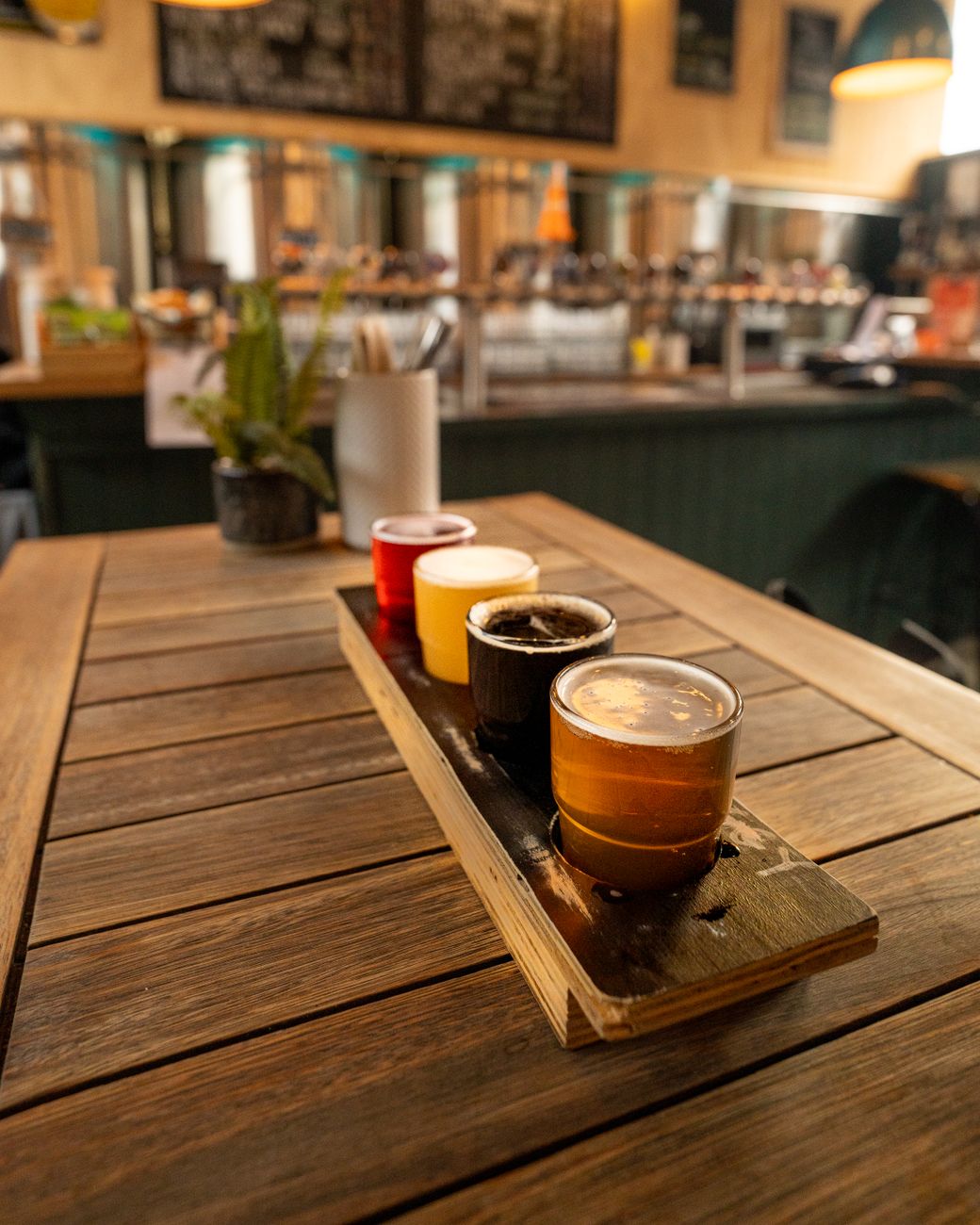
Beer gets you through the door, but the room decides whether an hour becomes an afternoon. Return worthy taprooms are made for lingering, with seating that encourages conversation, a volume level that allows it and small details that suggest someone has actually thought about whether you might want to stay for another round.
The test is whether the fourth visit feels even better than the first. By then, the place should start to feel familiar, whether that means recognising the staff, knowing where you like to sit or simply settling in without having to take everything in for the first time.
Independent makers such as Sly Bandit Brewing operate taprooms at this neighbourhood scale, where those qualities are easy to spot in one sitting. Look around and notice whether people seem settled or whether they are simply passing through, because rooms that work as genuine third spaces tend to develop regulars naturally. The lingering crowd is often the best review a taproom can receive.
The Staff Makes the Experience More Memorable
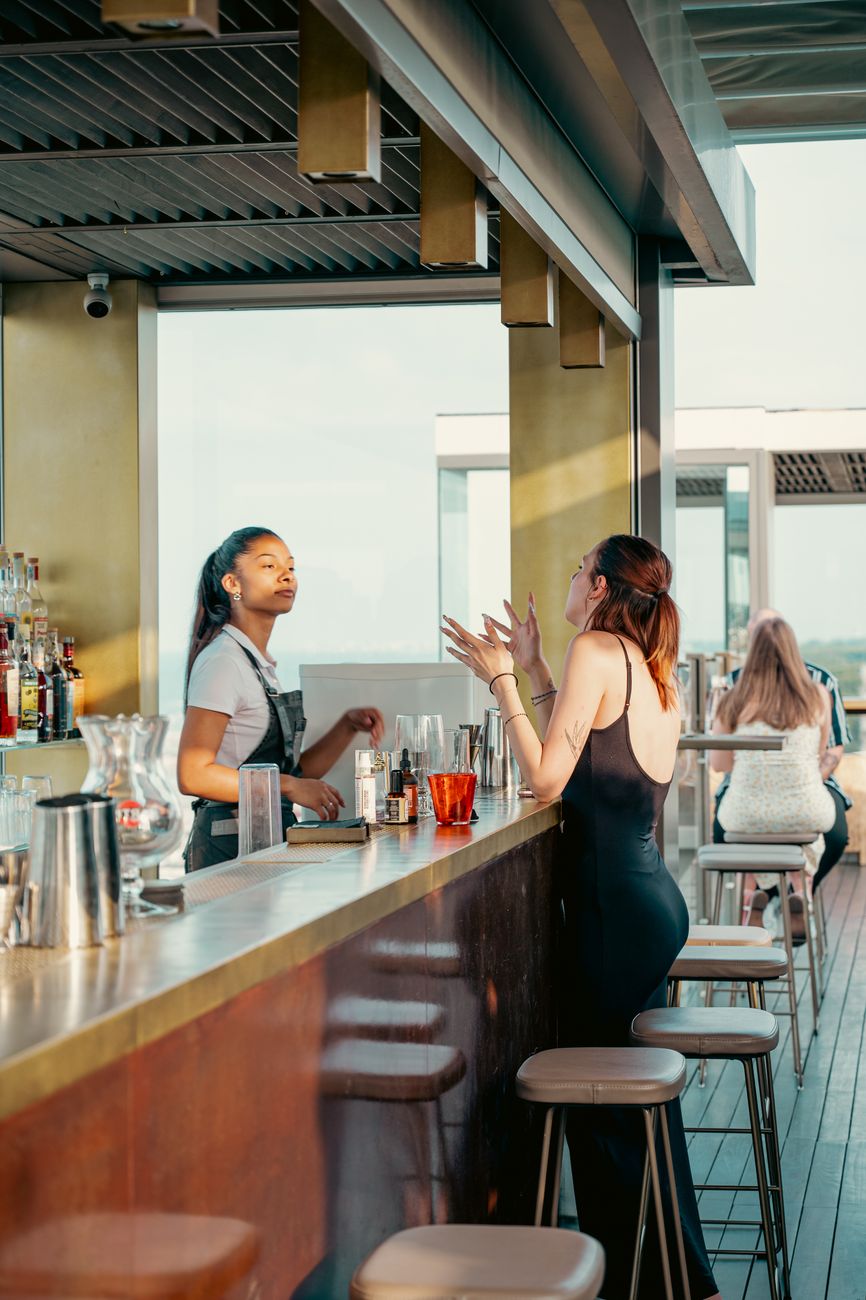
Great taprooms are staffed by hosts rather than people simply processing transactions. They can help a newcomer choose a first pour without making them feel as though they should have revised the beer menu beforehand, remember a regular’s usual by the second visit and talk about the beer with genuine enthusiasm rather than sounding as though they have memorised a script.
That warmth can turn a good product into a good afternoon or evening. It is also worth watching how the team behaves when things become more difficult, whether the taproom is packed on a Saturday, an order is complicated or someone walks in who knows very little about beer.
Hospitality under pressure tells you a lot about a place. Staff who continue to make people feel welcome when things get hectic create the small interactions that visitors remember afterwards, and those memories are often what bring people back.
The Menu Gives You Something New to Try
Consistency earns trust, but variety gives you another reason to visit. The taprooms that become regular stops tend to balance both, keeping reliable favourites on the board while making room for beers that give returning customers something new to discover:
- Seasonal releases that follow the calendar rather than simply repeating it.
- Small batch experiments that show the brewers are still curious.
- Collaborations and one offs that make a visit feel timely.
- A release rhythm worth following, so checking the tap list becomes part of the routine.
A static menu, however good, eventually turns visits into reruns. When you find yourself checking what is pouring before deciding where to spend your weekend, the brewery has moved beyond being somewhere you enjoyed and become somewhere you actively follow.
The Brewery Stays Reliable as It Grows
Success brings its own test. Expansions, new fermenters, distribution deals and second locations can all put pressure on the processes that made a brewery good in the first place, and some promising businesses lose their edge just as things begin to take off.
The breweries worth sticking with manage to maintain their standards as they grow. As a repeat visitor, you can usually spot this fairly quickly: the flagship still tastes right after an equipment upgrade, service remains personal as the crowds become larger and price increases feel reasonable rather than opportunistic.
A brewery that treats growth as a responsibility to its regulars rather than simply something to extract from them is one you can happily keep supporting for years to come.
A Crowded Market Makes Genuine Quality Stand Out
The craft beer boom has put a taproom within reach of an enormous number of people, and that abundance has changed what loyalty means. When breweries were scarce, proximity could earn patronage almost by default, whereas today a brewery needs to give you a genuine reason to choose it over another option ten minutes down the road.
For example, a CT brewery worth your loyalty makes the fourth visit feel even better than the first, because by then the place knows you. Which is right up the alley what I’ll say are the things that tend to matter most when choosing a venue:
- Consistency: Beer that tastes as good as you remember it every time you return.
- Identity: A distinctive signature that separates the brewery from its competitors.
- Hospitality: Genuine attention that makes the experience worth repeating.
That competition is ultimately good news for drinkers because it makes it harder for breweries to rely on novelty alone. Your repeat business is a real vote, and the breweries worth returning to tend to behave as though they understand that.
What Makes a Brewery Worth Going Back To?
You will probably know you have found a brewery worth returning to by your own behaviour. The beer is consistently good, the place makes you want to stay a little longer, the staff remember you or your usual order, and you find yourself checking the tap list before deciding where to go next.
The best breweries manage to get several things right at once. The beer has to deliver, the brewery needs enough personality to stand apart from the others, and the taproom should feel welcoming rather than simply being somewhere with tables and beer on them. Add a menu that keeps things interesting and standards that do not disappear as the brewery grows, and you have a place that is much easier to return to.
Ultimately, it is less about finding the perfect brewery and more about finding one that gives you a reason to come back. When you start recommending it to friends, checking what is pouring before you visit and quietly planning your next trip, you have probably found it.

