
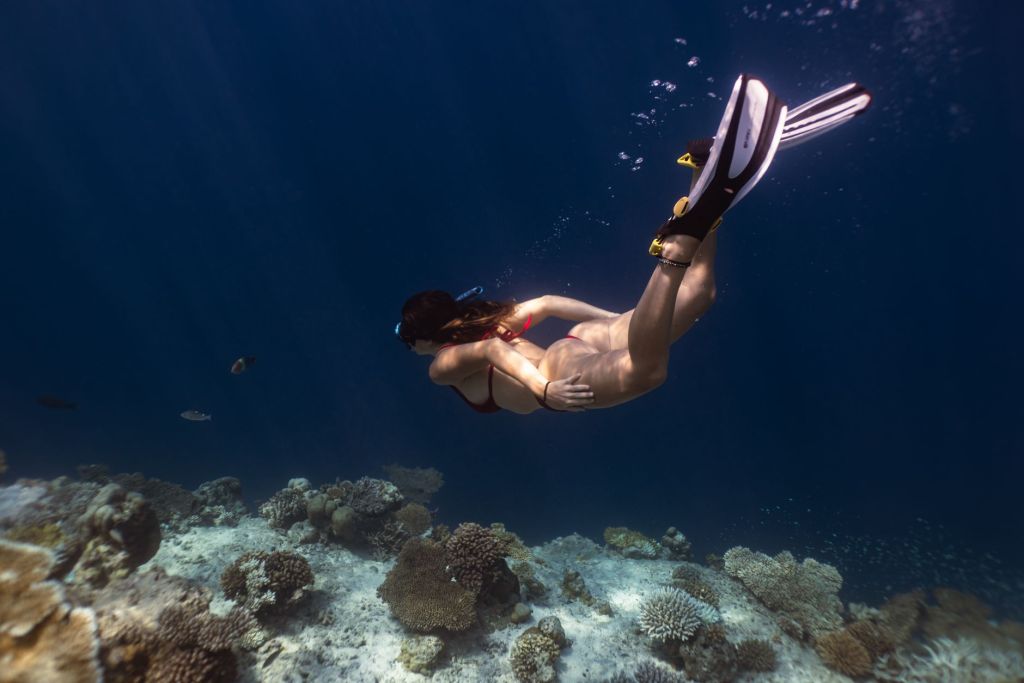
Scuba diving has a rather wonderful way of putting life into perspective. Once you slip beneath the surface, the usual noise of everyday life begins to fade. No emails, no endless notifications, no one asking where you put something. Just the gentle rhythm of your movements, the underwater world unfolding around you and controlled breathing. With your attention drawn to the water, the marine life and your own body, diving becomes an opportunity to slow down and reconnect with the present. It is perhaps one of the more unexpected ways to find the kind of calm that meditation promises, only with considerably more fish.
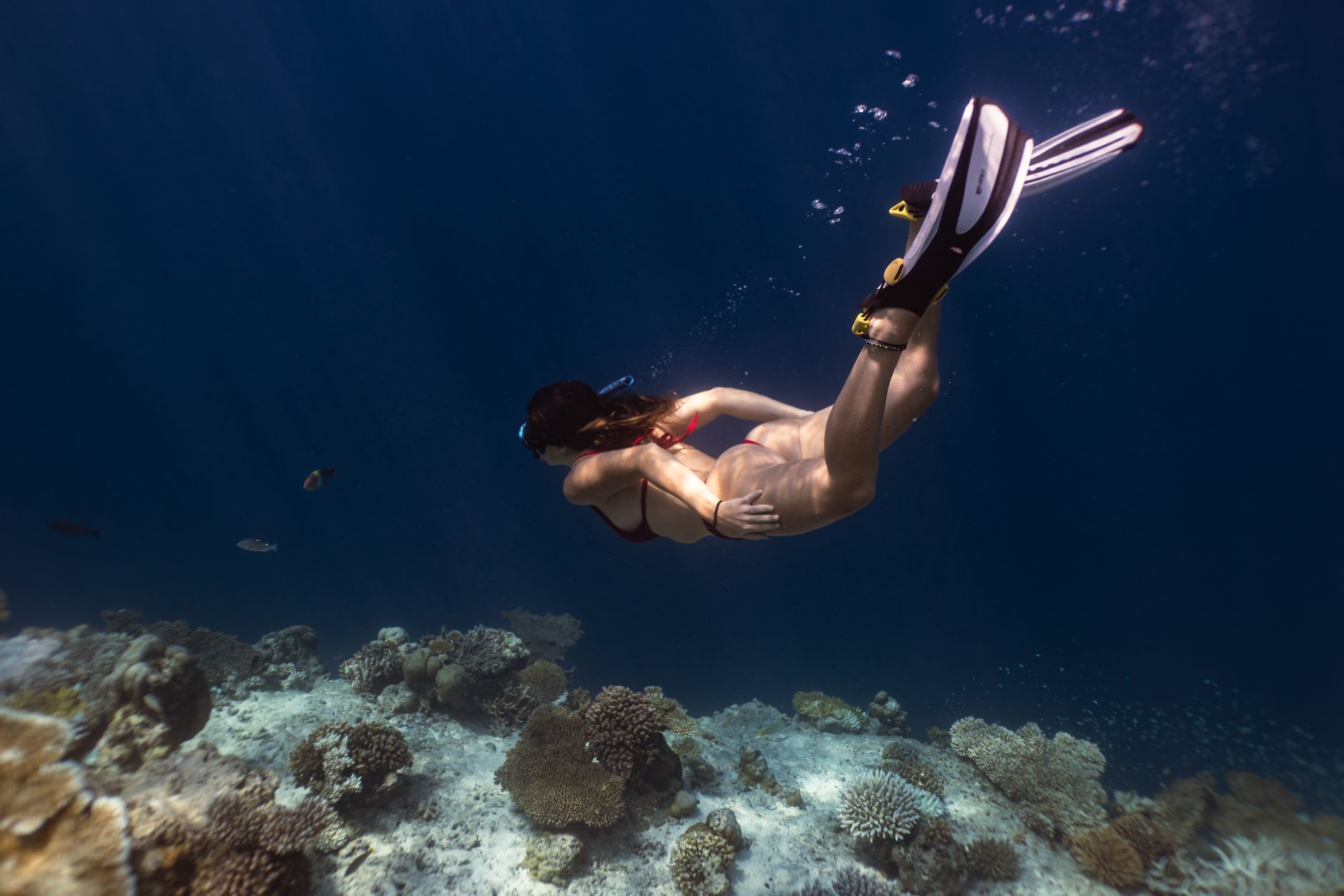
Finding Peace Below the Surface
Underwater, even the smallest details become fascinating. The sound of your breathing, sunlight dancing across the seabed and the delicate movements of marine life all invite you to pay closer attention. With so much happening beneath the surface, there is little room left for the unfinished errands and everyday worries waiting onshore. For once, the world can manage without your immediate attention.
Mastering buoyancy adds another dimension to this experience. Rather than constantly adjusting your position, you learn to move gently and deliberately, almost as though you are part of the water itself. When your mind starts wandering, bringing your attention back to your breathing, depth and surroundings can help restore that sense of calm. A coral formation, a passing school of fish or the shifting patterns of light can become natural focal points, offering a simple reminder to slow down, observe and appreciate the extraordinary world beneath the waves.
“Consider visibility, seasonal conditions, marine life and the different experiences available along each coast”
How Immersion Calms the Nervous System
Slow breathing can encourage the body to shift away from a heightened stress response. Scuba equipment naturally asks you to breathe steadily, while rushing or holding your breath can increase discomfort. The result is a practical breathing exercise that lasts throughout the experience.
Water also changes how you process sound and movement. Noise becomes muted, gestures become more intentional, and your pace slows. Some people experience this as mental spaciousness, though scuba diving isn’t a substitute for professional mental health care. Begin each outing with several relaxed breaths and check for tension in your jaw, shoulders and hands. Releasing those areas can reduce unnecessary movement and help you conserve energy.
Planning Your First Coastal Dive Trip
Choose a destination that suits your training, comfort and interests. Beginners may prefer calm springs or shallow reefs, while more experienced divers might explore stronger currents or deeper sites. Travellers comparing the best scuba diving in Florida, for example, can consider visibility, seasonal conditions, marine life and the different experiences available along each coast.
Book through a reputable operator and explain your certification level honestly. Ask about water temperature, typical depth, entry method and rental equipment before paying a deposit. Leave room in your schedule for weather changes and avoid planning air travel immediately after diving. A relaxed itinerary supports safer decisions and preserves the reflective quality of the trip.
Essential Advice for Solo Female Divers
Solo travel can offer independence, but recreational dives should still follow the buddy system. Confirm how the operator pairs guests and request a guide if you’re uncomfortable diving with an unfamiliar partner. Share your itinerary with someone at home, including the operator’s name, departure point and expected return time.
Read recent reviews from women and look for clear safety briefings, well-maintained facilities and staff who answer questions respectfully. Keep certification cards, emergency contacts and insurance details accessible. During the outing, trust your judgment. You can decline a site, equipment setup or buddy pairing that feels unsuitable without needing to defend the decision.

The Healing Power of Saltwater
Saltwater can feel restorative because it combines buoyancy, rhythmic motion and a break from ordinary routines. Floating reduces the sense of weight on the body, while the ocean’s movement encourages you to soften rigid posture. Sunlight near the surface and time outdoors may also support mood, provided you protect your skin and stay hydrated.
The strongest benefit often comes from attention itself. After surfacing, spend five quiet minutes recording what you noticed, such as your breathing, a marine animal or a moment when your body felt especially relaxed. Those details make the experience easier to recall later. The steady sound of your own breath may become a calming memory you can return to long after the saltwater has dried.

