
Frequent travel can turn an exciting route into a tiring cycle of packing, driving, and adjusting to unfamiliar places. Even beautiful destinations lose some of their appeal when every day revolves around the next departure time. Slowing down gives your body a steadier routine and leaves more room for the experiences that made you want to travel in the first place. For travelers feeling drained or distracted, a longer stay in one location may offer meaningful relief from burnout.
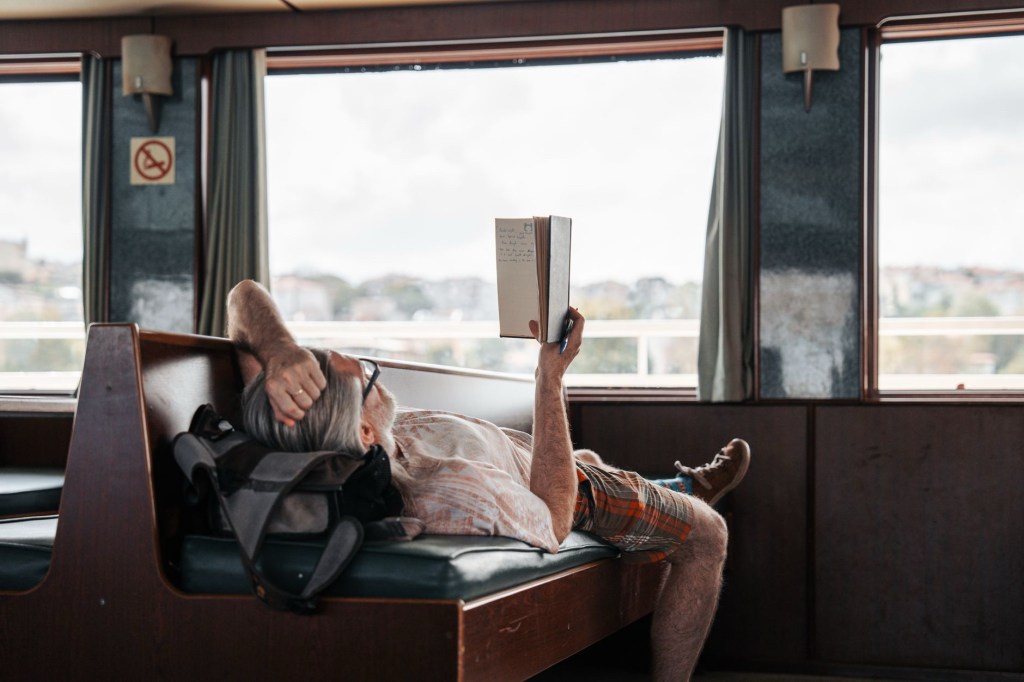
The Hidden Toll of Constant Transit
Changing locations every few days creates dozens of small decisions. You have to check the route, monitor arrival times, organize meals, and learn where to find basic services. None of these tasks seems overwhelming alone, but together they consume attention that could go toward rest or enjoyment.
Common frequent traveler burnout tips include protecting sleep and leaving open time in your schedule. Apply that advice by adding three or four unscheduled days after each major travel day, especially when you need stretching for tight muscles to recover. If you still feel tense while planning the next stop, extend your stay for another week before making new reservations.
How Stationary Seasons Restore Energy
A stationary season gives your days a familiar shape. You can shop at the same grocery store, take a regular morning walk, and keep a consistent bedtime without checking tomorrow’s route. Those simple repetitions reduce daily planning and make it easier to notice whether you’re truly rested.
The case for embracing slow travel also reaches beyond physical recovery. Staying longer creates time for local classes, friendships, and favorite routines. When choosing a seasonal base, consider practical needs first. Canopy Luxury RV Resort offers long-term sites for Winter Texans and other RV travelers in New Braunfels, along with fiber-optic internet, recreation courts, and laundry facilities.

Finding Rest in Dedicated Long-Term Resorts
A comfortable long-term resort can remove much of the friction that follows frequent relocation. Before booking, check how far the site is from groceries, medical services, and places you’d realistically visit each week. Reliable internet also matters if you work remotely, keep in touch with family, or manage travel plans online.
Look closely at the routines a property can support. A fitness center may help you stay active during poor weather, while laundry facilities and pet areas can simplify ordinary chores. Ask about monthly rates, site dimensions, utility arrangements, and quiet hours before committing. A suitable stay should make everyday life easier for several weeks or months, not merely look appealing in photographs.
Reconnecting with Daily Creative Flow
Burnout often narrows your attention to logistics. Once the route pauses, creative interests have room to return. You might spend an hour sketching outdoors, start a travel journal, or photograph the same trail at different times of day. Repetition can reveal details that a one-night stop rarely allows you to see.
Keep the habit small enough to repeat. Set aside 20 minutes after breakfast and leave your supplies where they’re easy to reach. The ideas in reclaiming your rhythm can also help you rebuild energy without turning recovery into another demanding project.
A slower route works best when the pause has a purpose. Choose one place where daily needs are convenient, stay long enough to establish a real routine, and let your next departure follow renewed curiosity instead of calendar pressure.

